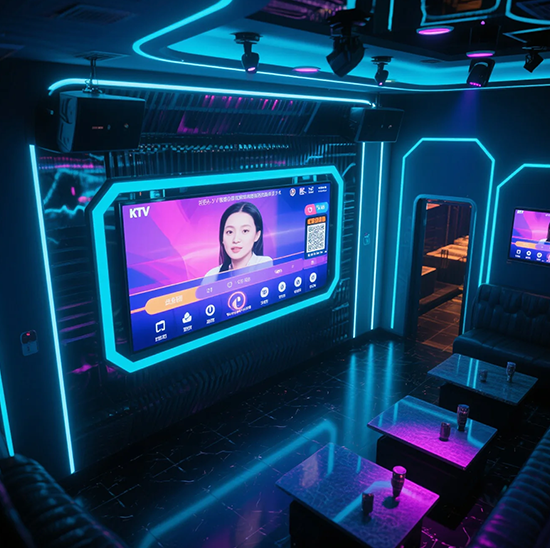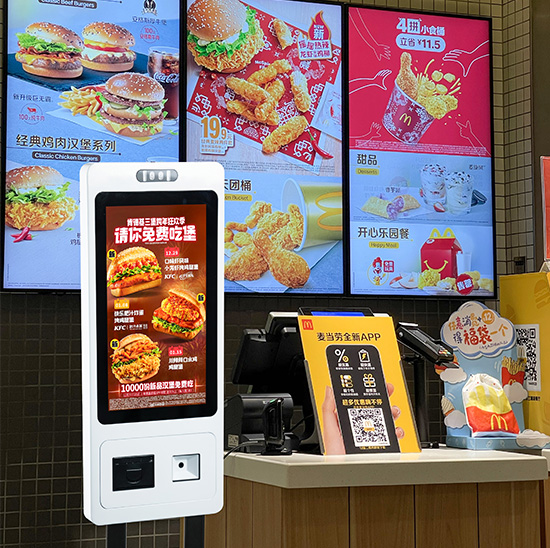
ท่ามกลางกระแสการผลิตและอุตสาหกรรมอัจฉริยะ 4.0, จอสัมผัสระดับอุตสาหกรรมกำลังกลายเป็นสะพานเชื่อมระหว่างผู้คนและเครื่องจักร, โลกทางกายภาพและโลกดิจิทัล. อินเทอร์เฟซการทำงานที่ใช้งานง่าย, การแสดงข้อมูลที่หลากหลาย, และระบบควบคุมแบบครบวงจรไม่เพียงแต่ทำให้กระบวนการทำงานง่ายขึ้นเท่านั้น, แต่ยังปรับปรุงประสิทธิภาพทางอุตสาหกรรมและบรรลุปฏิสัมพันธ์ระหว่างมนุษย์กับคอมพิวเตอร์อย่างมีประสิทธิภาพ. บทความนี้จะสำรวจว่า Capacitive Touch Monitor ระดับอุตสาหกรรมสามารถบรรลุเป้าหมายนี้ได้อย่างไร, เผยให้เห็นเทคโนโลยีและนวัตกรรมที่อยู่เบื้องหลังพวกเขาในวัตถุประสงค์ที่สอดคล้องกันและสไตล์ที่เป็นกลางของ BBC.
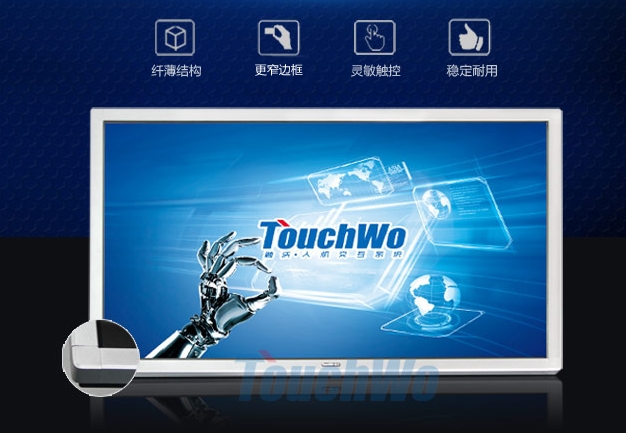
การดำเนินงานที่ใช้งานง่าย, กระบวนการที่เรียบง่าย
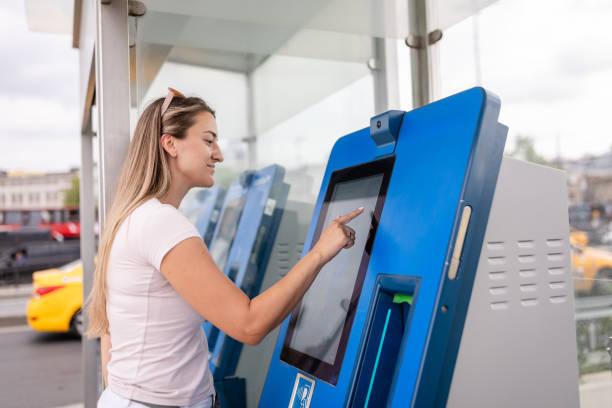
อินเทอร์เฟซการควบคุมทางอุตสาหกรรมแบบดั้งเดิมมักอาศัยปุ่มที่ซับซ้อน, ลูกบิด, และไฟแสดงสถานะ, ซึ่งไม่เพียงเพิ่มความยากลำบากในการดำเนินงาน แต่ยังจำกัดการปรับปรุงประสิทธิภาพการผลิตอีกด้วย. จอแสดงผลแบบสัมผัสอุตสาหกรรม, ในทางกลับกัน, ลดความซับซ้อนของอินเทอร์เฟซการทำงานที่ซับซ้อนให้เป็นอินเทอร์เฟซแบบกราฟิกที่ใช้งานง่ายและใช้งานง่ายโดยการบูรณาการ หน้าจอสัมผัส เทคโนโลยี. ผู้ใช้สามารถดำเนินการต่างๆ มากมาย เช่น การตั้งค่าพารามิเตอร์, การวินิจฉัยข้อบกพร่อง, และการตรวจสอบข้อมูลด้วยการแตะเบาๆ. วิธีการโต้ตอบที่ปฏิวัติวงการนี้ไม่เพียงแต่ช่วยลดเกณฑ์การทำงานเท่านั้น, แต่ยังช่วยเพิ่มประสิทธิภาพในการทำงานอย่างมากอีกด้วย, ทำให้ทุกขั้นตอนของการทำงานของสายการผลิตมีความแม่นยำและมีประสิทธิภาพมากยิ่งขึ้น.
การบูรณาการอัจฉริยะช่วยเพิ่มประสิทธิภาพ
ด้วยการบูรณาการอย่างลึกซึ้งของเทคโนโลยีล้ำสมัย เช่น Internet of Things (ไอโอที), การประมวลผลแบบคลาวด์, และการวิเคราะห์ข้อมูลขนาดใหญ่, Capacitive Touch Monitor ระดับอุตสาหกรรมไม่ได้เป็นเพียงเครื่องมือแสดงผลและการทำงานที่เรียบง่ายอีกต่อไป, แต่ได้กลายเป็นศูนย์กลางข้อมูลของโรงงานอัจฉริยะ. ก็สามารถสะสมได้, กระบวนการ, และแสดงข้อมูลการผลิตแบบเรียลไทม์, ช่วยให้องค์กรต่างๆ บรรลุการจัดการด้วยภาพและการตัดสินใจอย่างชาญฉลาดในกระบวนการผลิต. ไม่ว่าจะเป็นการตรวจสอบแบบเรียลไทม์ในสายการผลิตหรือการวินิจฉัยข้อผิดพลาดจากระยะไกล, จอแสดงผลแบบสัมผัสทางอุตสาหกรรมสามารถให้การสนับสนุนที่ดีได้, ช่วยให้องค์กรต่างๆ สร้างโรงงานอัจฉริยะที่มีประสิทธิภาพและยืดหยุ่นมากขึ้น.
การออกแบบที่ทนทานเพื่อตอบโจทย์ความท้าทาย
สภาพแวดล้อมทางอุตสาหกรรมที่ซับซ้อนและเปลี่ยนแปลงตลอดเวลาทำให้มีความต้องการความทนทานและความเสถียรของอุปกรณ์สูงมาก. จอภาพสัมผัสแบบ Capacitive อุตสาหกรรมใช้วัสดุพิเศษและการออกแบบเสริมความแข็งแรง, ซึ่งสามารถต้านทานสภาวะที่รุนแรงเช่นฝุ่นได้อย่างมีประสิทธิภาพ, ไอน้ำ, การสั่นสะเทือน, และอุณหภูมิสุดขั้ว. ไม่ว่าจะเป็นโรงถลุงแร่ที่อุณหภูมิสูงหรือสภาพแวดล้อมทางเคมีที่มีความชื้น, สามารถรับประกันการทำงานอย่างต่อเนื่องของสายการผลิตด้วยความทนทานเป็นเลิศและลดการหยุดทำงานที่เกิดจากความล้มเหลวของอุปกรณ์. นอกจากนี้, ระดับการป้องกันที่ทรงพลัง (เช่น IP65/IP67) และเทคโนโลยีการแสดงผลความสว่างสูงช่วยให้สามารถแสดงผลได้ชัดเจนแม้ในสภาพแวดล้อมที่มีแสงจ้า, มั่นใจได้ถึงความต่อเนื่องและเสถียรภาพของการผลิต.
บริการที่ปรับแต่งตามความต้องการ
ความต้องการจอแสดงผลแบบสัมผัสทางอุตสาหกรรมแตกต่างกันไปตามอุตสาหกรรมและสถานการณ์การใช้งานที่แตกต่างกัน. ดังนั้น, การจัดหาโซลูชั่นที่ปรับแต่งตามความต้องการได้กลายเป็นกระแสสำคัญในการพัฒนาอุตสาหกรรม. จากขนาดหน้าจอ, ปณิธาน, โหมดสัมผัสเพื่อการออกแบบส่วนต่อประสานซอฟต์แวร์, และแม้กระทั่งการบูรณาการฟังก์ชั่นพิเศษ, ผู้ผลิตสามารถปรับแต่งตามความต้องการของลูกค้าได้อย่างลึกซึ้ง’ ความต้องการที่แท้จริง. ความยืดหยุ่นและบริการส่วนบุคคลในระดับสูงนี้ไม่เพียงแต่ตอบสนองความต้องการที่หลากหลายของตลาดเท่านั้น, แต่ยังส่งเสริมนวัตกรรมและการอัพเกรดอุปกรณ์อุตสาหกรรมอย่างต่อเนื่อง.
แนวโน้มในอนาคต: หน่วยสืบราชการลับและเครือข่าย
ด้วยการเติบโตอย่างต่อเนื่องของ 5G, ปัญญาประดิษฐ์, Edge Computing และเทคโนโลยีอื่นๆ, อนาคตของ Capacitive Touch Monitor ระดับอุตสาหกรรมเต็มไปด้วยความเป็นไปได้ที่ไม่มีที่สิ้นสุด. มันจะไม่เพียงแต่เป็นอินเทอร์เฟซแบบโต้ตอบเท่านั้น, แต่ยังเป็นสะพานเชื่อมระหว่างโลกกายภาพและโลกดิจิทัลด้วย, ส่งเสริมการดำเนินงานอุตสาหกรรมอย่างครอบคลุม 4.0. จอแสดงผลแบบสัมผัสทางอุตสาหกรรมในอนาคตจะมีความชาญฉลาดและเชื่อมโยงกันมากขึ้น, รองรับฟังก์ชันขั้นสูงได้ดียิ่งขึ้น เช่น การบำรุงรักษาเชิงคาดการณ์และการผลิตแบบปรับเปลี่ยนได้, นำการเปลี่ยนแปลงและโอกาสที่ไม่เคยมีมาก่อนมาสู่ภาคอุตสาหกรรม.
โดยสรุป, จอแสดงผลแบบสัมผัสอุตสาหกรรม, ด้วยการใช้งานที่เป็นธรรมชาติ, ความสามารถในการบูรณาการอย่างชาญฉลาด, การออกแบบที่ทนทาน, และบริการที่กำหนดเอง, มีปฏิสัมพันธ์ระหว่างมนุษย์กับคอมพิวเตอร์อย่างมีประสิทธิภาพ และส่งเสริมความฉลาดและประสิทธิภาพของการผลิตภาคอุตสาหกรรม. ในบริบทของการผลิตและอุตสาหกรรมอัจฉริยะ 4.0, มันกำลังกลายเป็นกำลังสำคัญในการขับเคลื่อนการยกระดับอุตสาหกรรม.