Wanneer jy 'n nuwe rekenaar koop, jy kan dalk die term alles-in-1 rekenaar teëkom. Dit verskyn op kantoorprodukbladsye, kiosk configurations and industrial equipment lists. Yet many buyers are not entirely sure what it means or how it differs from a regular desktop.
The name itself describes the core idea: everything you need to run a computer is packed into one unit. No separate tower, no extra monitor, no tangle of cables. This simple concept has made the all-in-1 PC a popular choice for modern workplaces. This article explains what an all-in-1 PC is, how it is built, what types exist and where it is commonly used.
The Basic Definition of an All-in-1 PC
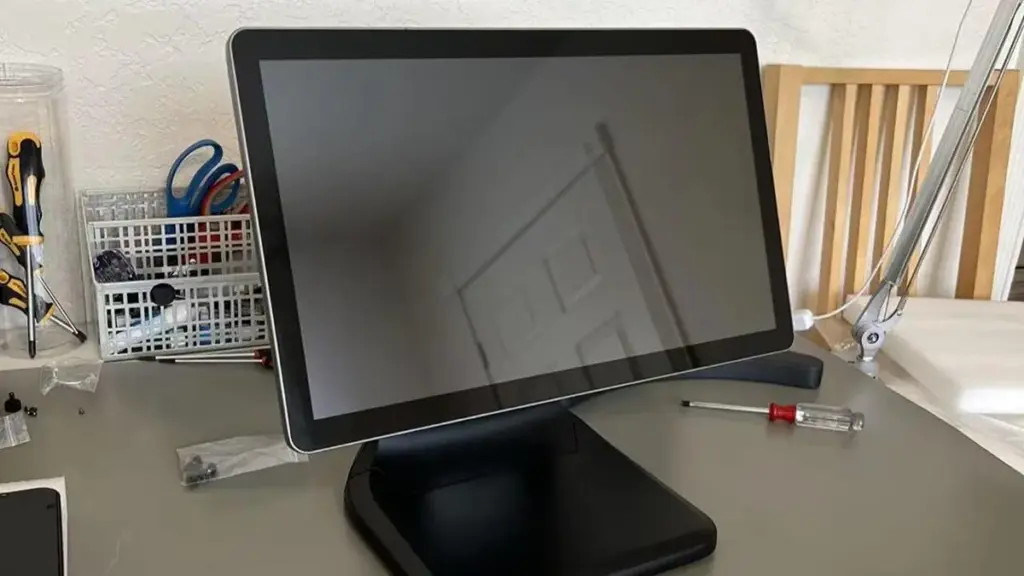
An all-in-1 PC is a complete computer system built into a single enclosure that also serves as the display. Unlike a traditional desktop, it does not require a separate tower to house the motherboard, processor, memory and storage.
In a typical all-in-1 PC, all internal computer components sit behind the screen. The display panel, sprekers, webcam and microphone are often integrated into the same body. The user only needs a keyboard, mouse and power cable to start working. This design keeps the setup compact and visually clean.
How an All-in-1 PC Differs From Other Computers
Understanding the differences helps you decide whether this form factor suits your needs.
Compared with a traditional desktop tower
A traditional desktop separates the tower from the monitor. The tower holds all computing hardware, while the monitor only displays output. This separation offers easy upgrades and strong cooling. An all-in-1 PC combines both into one slim body, trading expandability for space savings.
Compared with a laptop
A laptop folds the screen, keyboard and battery into a portable clamshell. An all-in-1 PC stays fixed on a desk or wall. It offers a larger screen and more stable performance than a laptop, but it is not portable.
Compared with a panel PC
A panel PC is a ruggedized all-in-one computer built specifically for industrial and embedded use. It often uses fanless cooling and sealed enclosures. A regular all-in-1 PC focuses on office or consumer use with a slimmer design.
Core Components Inside an All-in-1 PC
Despite its slim look, an all-in-1 PC contains the same essential parts as any computer.
Processor and memory
The processor handles computing tasks, while memory provides temporary working space. All-in-1 PCs typically use energy-efficient mobile-class processors that fit the slim chassis. Memory is usually soldered or limited in expandability.
Storage drive
Storage holds the operating system, applications and files. Most modern all-in-1 PCs use solid-state drives for fast boot times and quiet operation. Storage capacity varies by model and use case.
Display panel
The display is the most visible component. Sizes range from compact desktop models to larger screens for conference rooms. Touch screens are available on many commercial and industrial all-in-1 PCs.
Integrated peripherals
Many all-in-1 PCs include built-in speakers, a webcam and a microphone. This removes the need to connect separate devices for video calls and media playback.
Main Types of All-in-1 PC
All-in-1 PCs fall into a few broad categories based on their target use.
Office and home all-in-1 PC
These models prioritize slim design, clear displays and quiet operation. They suit document work, web browsing, video calls and media consumption. They are common in home offices, reception desks and meeting rooms.
Commercial touch all-in-1 PC
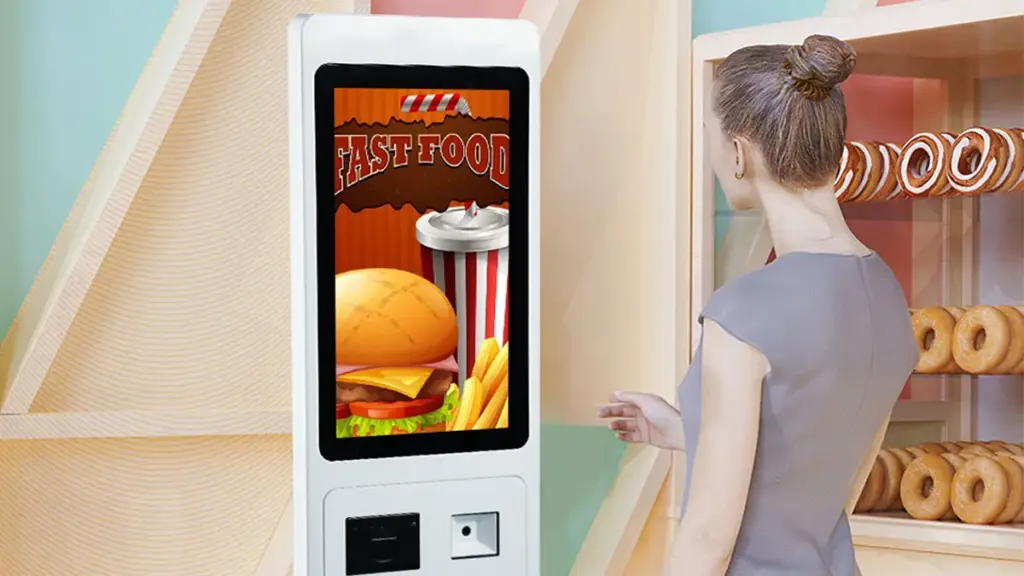
This type includes a touch screen and a reinforced casing. It is designed for self-service kiosks, restaurant ordering systems and retail display terminals. It runs steadily through high-frequency daily use.
Industrial all-in-1 PC
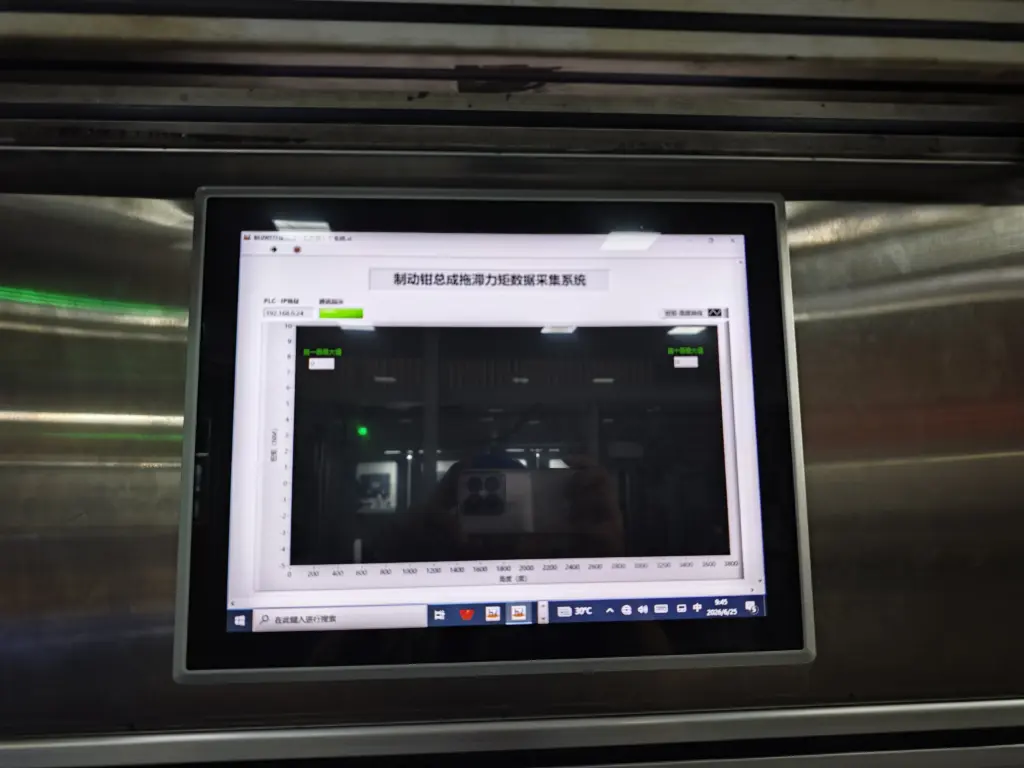
Industrial models use fanless cooling, sealed enclosures and wide-temperature components. They mount directly on machines, walls or control cabinets. They deliver reliable 24/7 operation on factory floors and in control rooms.
Where an All-in-1 PC Is Commonly Used
The compact design of an all-in-1 PC fits a wide range of environments.
Offices and meeting rooms
All-in-1 PCs keep desks tidy and save floor space. They are popular for reception areas, shared workstations and conference room display systems.
Retail and hospitality
Touch-enabled all-in-1 PCs power self-ordering kiosks, checkout terminals and guest information screens. Their integrated design fits cleanly into modern store layouts.
Industrial automation and control
Industrial all-in-1 PCs monitor production lines, control machinery and display real-time process data. Their rugged build withstands dust and vibration better than consumer equipment.
Healthcare and public services
Hospitals and government centers use all-in-1 PCs for patient check-in, registration and information query. Their hygienic, cable-free design suits clean public environments.
FAQs About All-in-1 PC
V1: What does all-in-1 PC actually mean?
A1: It means a computer where the host, display and often speakers and webcam are built into one unit. You do not need a separate computer tower.
V2: Is an all-in-1 PC the same as a laptop?
A2: Nee. An all-in-1 PC stays fixed on a desk or wall and offers a larger screen. A laptop folds into a portable clamshell with a built-in keyboard and battery.
V3: Can an all-in-1 PC be upgraded?
A3: Upgrade options are limited compared with a desktop tower. Some models allow memory or storage upgrades, but processor and graphics upgrades are usually not possible.
V4: Do all all-in-1 PCs have touch screens?
A4: Nee. Touch screens are common on commercial and industrial models, but many office and home all-in-1 PCs rely on a separate keyboard and mouse.
V5: How long does an all-in-1 PC last?
A5: A quality all-in-1 PC typically serves for several years under normal use. Industrial-grade models with fanless cooling often last longer in demanding environments.
Gevolgtrekking
Kortom, an all-in-1 PC is a complete computer that packs the host, display and supporting components into a single slim enclosure. Dit spaar spasie, reduces cables and offers a clean, modern look. It comes in office, commercial touch and industrial ruggedized versions, serving workplaces, kleinhandelwinkels, factories and public service centers. While it offers less upgrade flexibility than a traditional tower, its compact design and easy deployment make it the right choice for many projects.
If you want to know whether an all-in-1 PC fits your specific office, commercial or industrial application, vul asseblief die navraagvorm op ons amptelike webwerf in. Share your usage scenario, required screen size and interfaces, and our team will recommend a suitable all-in-1 PC solution for you.