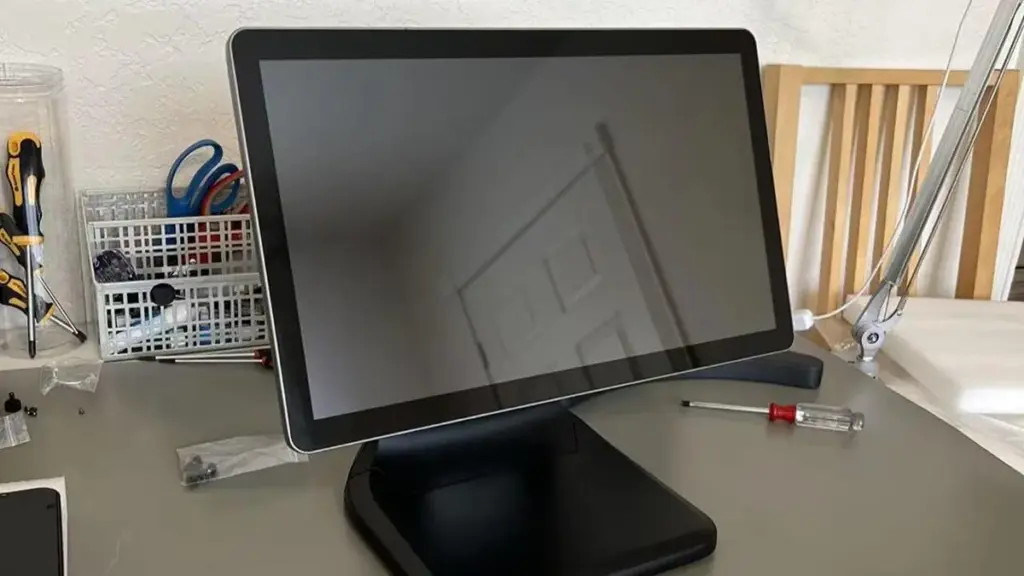
Dust, debris, and continuous operation demands make fanless vs vented touch panel PCs a critical decision for industrial applications. Using the wrong cooling structure can increase the risk of overheating, maintenance issues, and unexpected downtime on factory floors. Buyers need a panel PC design that matches their environment, workload, and long-term reliability goals.
This guide helps industrial users compare thermal performance, protection levels, maintenance requirements, and lifecycle costs between fanless and vented designs. It also explains how customized panel PC structures can improve reliability in harsh environments and support stable operation for demanding industrial systems.
How Fanless and Vented Touch Panel Pcs Differ

Fanless and vented touch panel PCs use different thermal designs to manage heat. This difference affects their enclosure structure, miljøbeskyttelse, and suitability for specific industrial applications
Core Cooling Method and Enclosure Design
Fanless and vented Industrial Touch PCs manage heat in different ways, which directly affects their enclosure structure and application suitability. Fanless designs rely on passive heat dissipation, while vented systems use airflow generated by internal fans.
| Design faktor | Fanless Touch Panel PC | Vented Touch Panel PC |
|---|---|---|
| Cooling Method | Passive cooling through chassis heat dissipation | Active cooling using fans and airflow circulation |
| Enclosure Design | Sealed structure with minimal openings | Ventilation openings required for heat exchange |
| Hovedfordel | Better protection against dust and harsh environments | Higher thermal capacity for demanding workloads |
The cooling structure directly influences where each type of panel PC performs best.
Environmental Durability and Contaminant Resistance
Dust, fugtighed, and airborne particles are common challenges in industrial environments. A sealed fanless design reduces the possibility of contaminants entering the system, making it suitable for dusty production areas, automation equipment, and factory-floor applications.
Vented panel PCs can also be used in industrial settings, but their airflow openings require additional protection and maintenance planning. They are generally better suited for cleaner environments where airflow and computing performance are higher priorities.
Pålidelighed, Opretholdelse, and Mechanical Robustness
The internal structure of a panel PC affects long-term operation. Fanless designs remove mechanical cooling components, while vented systems depend on fans and filters to maintain airflow.
For applications with limited maintenance access or continuous vibration, a fanless structure can provide a more stable solution. Vented designs, imidlertid, offer advantages when the system needs additional cooling capacity for heavier computing tasks.
Performance Envelope and Application Suitability
The choice between fanless and vented designs depends on the balance between environmental conditions and processing requirements.
| Anvendelse | Recommended Design |
|---|---|
| Industrial HMI and machine control | Fanless touch panel PC for stable 24/7 operation |
| Dusty manufacturing environments | Fanless touch panel PC with sealed enclosure design |
| Machine vision and AI processing | Vented or customized cooling solution for higher computing loads |
| Clean areas requiring high computing power | Vented touch panel PC with enhanced thermal capacity |
Why Dusty Environments Change Panel PC Design Priorities
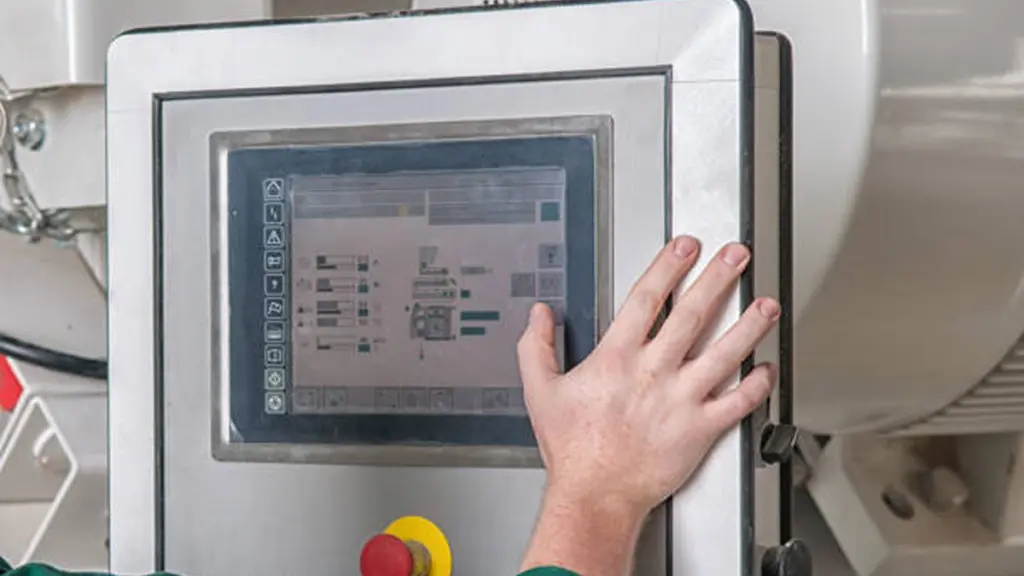
Dusty industrial environments force panel PCs to prioritize protection and stability over maximum computing performance. The design must support reliable operation despite continuous exposure to particles, fugtighed, and harsh working conditions.
From Performance-Focused Design to Environment-Focused Design
In clean environments, computing power is often the main factor in equipment selection. Imidlertid, factories with dust, metal particles, or fine powders require a different design approach.
A panel PC used on a production line must maintain stable operation with limited maintenance. This changes the focus from higher processing power to better environmental protection and long-term durability.
| Environmental Challenge | Design Priority |
|---|---|
| Dust and airborne particles | Sealed enclosure and contamination protection |
| Continuous industrial operation | Stable thermal design and reliable components |
| Frequent cleaning conditions | Durable and easy-to-clean surfaces |
Thermal and Enclosure Design Must Adapt
Dusty environments influence both cooling methods and enclosure structures. Traditional airflow-based designs may increase contamination risks because moving air can carry particles into internal components.
Industrial panel PCs for harsh environments often use designs that balance heat dissipation with protection. Key considerations include:
- Thermal Management: Efficient heat transfer helps maintain stable performance without relying only on airflow.
- IP Protection: Appropriate IP ratings reduce the risk of dust and moisture entering the system.
- Sealed Structure: Gaskets, protected connectors, and minimized gaps improve long-term durability.
A suitable enclosure design helps protect electronics while supporting continuous operation in demanding locations.
HMI Durability Supports Daily Operation
Dust also affects how operators interact with equipment. A factory-floor touchscreen needs to remain visible, lydhør, and easy to clean.
Features such as hardened glass, anti-glare surfaces, and flat front bezels improve usability in dusty workplaces. Touch technology should also match operating conditions, especially when users wear gloves or require frequent cleaning.
By focusing on protection, usability, og pålidelighed, industrial panel PCs can better support automation systems in harsh production environments.
You can explore how TouchWo applies this in Industrial Control Solutions.
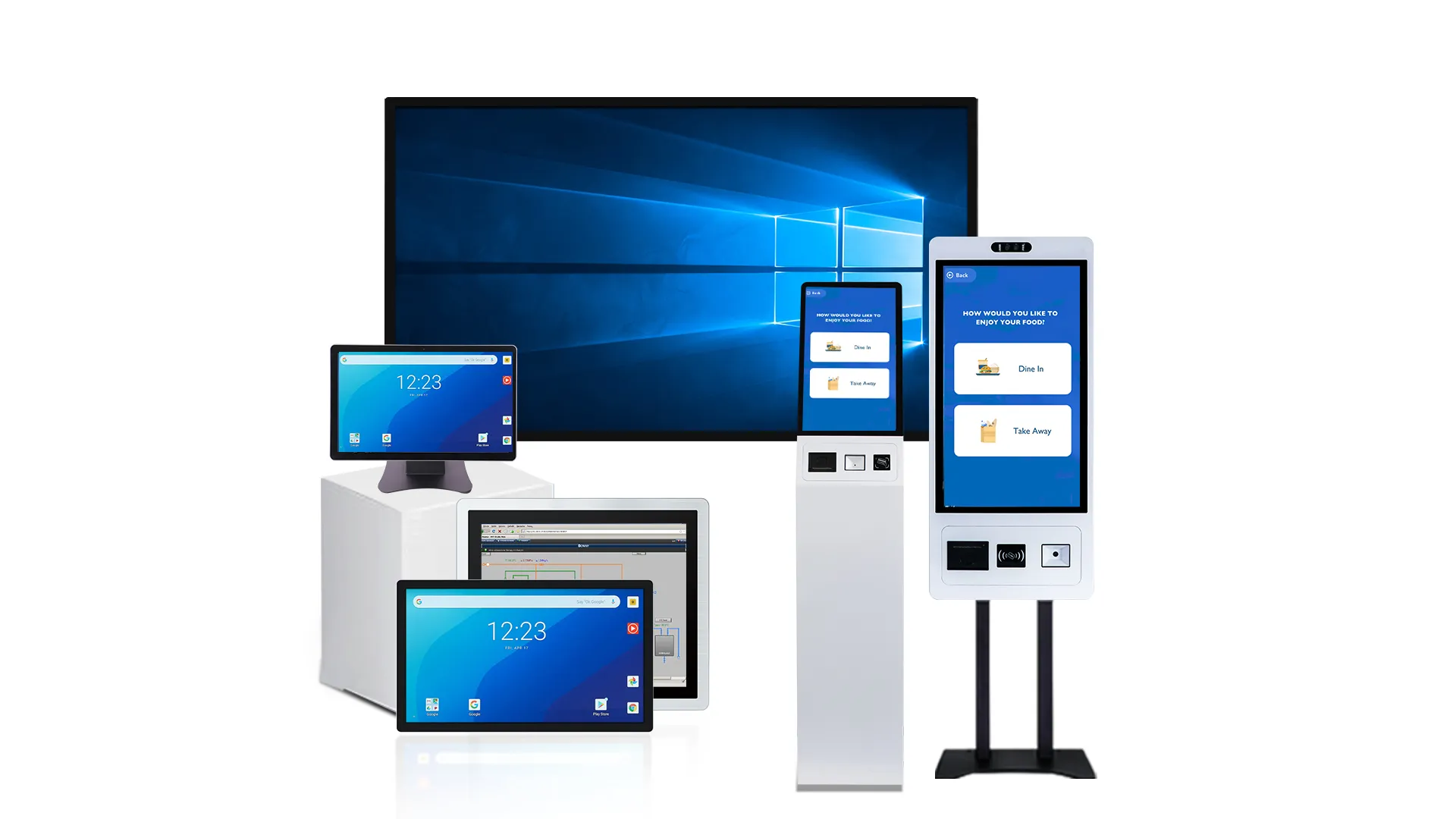
Industrial-Grade Touch Solutions, Built To Your Specs
Thermal Performance, Opretholdelse, and Reliability Trade-Offs
Fanless and vented panel PCs balance cooling capability, maintenance requirements, and operational reliability in different ways. The right choice depends on workload demands and site conditions.
| Consideration | Fanless Panel PC | Vented Panel PC |
|---|---|---|
| Thermal Performance | Passive cooling through chassis heat dissipation | Active cooling supports higher-power processors and intensive workloads |
| Maintenance Requirements | Lower maintenance needs with fewer mechanical components | Requires regular inspection of fans and airflow paths |
| Reliability Factors | Suitable for harsh environments and long-term continuous operation | Performance depends on maintenance and operating conditions |
| Ideal Workloads | Industrial HMI, automation control, and standard processing tasks | Machine vision, AI applications, and high-performance computing |
Fanless designs prioritize stable operation and low maintenance, making them suitable for industrial HMI and automation control. Vented designs offer higher thermal capacity for demanding workloads but require proper conditions and regular maintenance.
Which Design Fits Different Industrial and Semi-Industrial Applications
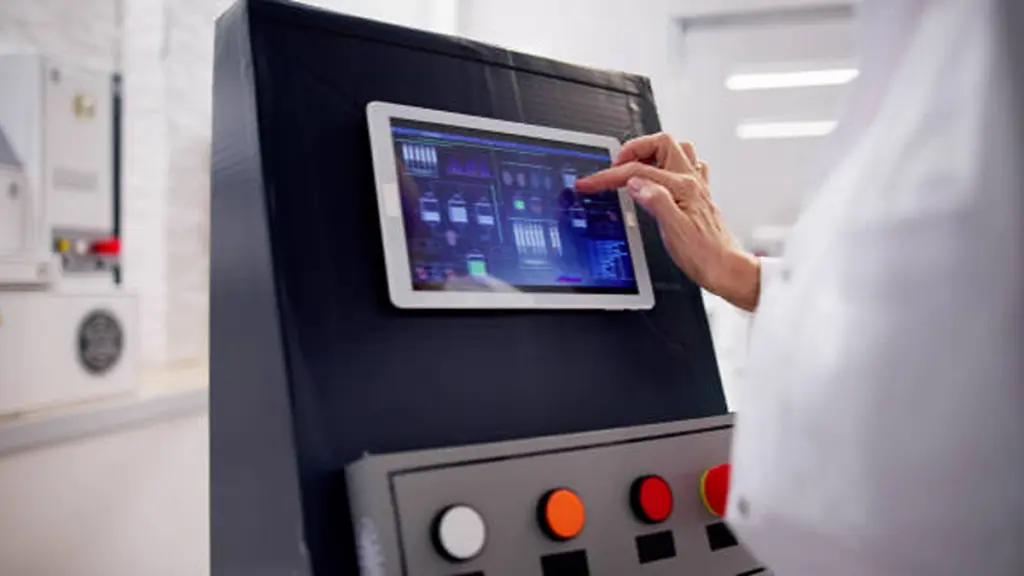
Different applications require different balances between environmental protection, computing power, and maintenance needs. The best panel PC design depends on operating conditions and workload requirements.
High-Contamination and Washdown Areas
Food processing, pharmaceutical production, and dusty manufacturing environments require stronger protection against external conditions.
EN fanless panel PC is usually the preferred option because these applications focus on uptime, easy cleaning, og langsigtet pålidelighed. Typical use cases include:
- Food and beverage production: Requires protection against moisture and frequent washdown procedures.
- Metalworking and machining: Needs resistance against dust, chips, and industrial debris.
- Packaging lines: Benefits from stable operation with minimal maintenance.
Mobile Equipment and High-Vibration Machinery
Equipment such as forklifts, AGVs, and industrial vehicles require panel PCs that can maintain stable operation during movement.
EN ventilatorløst design is suitable for these applications because it provides a more robust structure for vibration-prone environments and reduces maintenance concerns in mobile installations.
Control Rooms and Data-Intensive Workstations
Clean control rooms and monitoring stations often place more importance on computing capability than environmental protection.
EN vented panel PC can be a better fit when applications require higher processing performance, som f.eks:
- Machine vision inspection
- Advanced SCADA visualization
- Industrial data processing
These environments usually provide better conditions for airflow management and routine maintenance.
Semi-Industrial and Logistics Environments
Warehouses, shipping areas, and light assembly facilities require a balanced approach.
EN fanless panel PC works well for operator terminals and basic control tasks where low maintenance is important. For applications running complex software or multiple processes, -en vented panel PC may provide additional computing capacity when the environment allows regular service.
How Buyers Should Compare Lifecycle Cost and Failure Risk
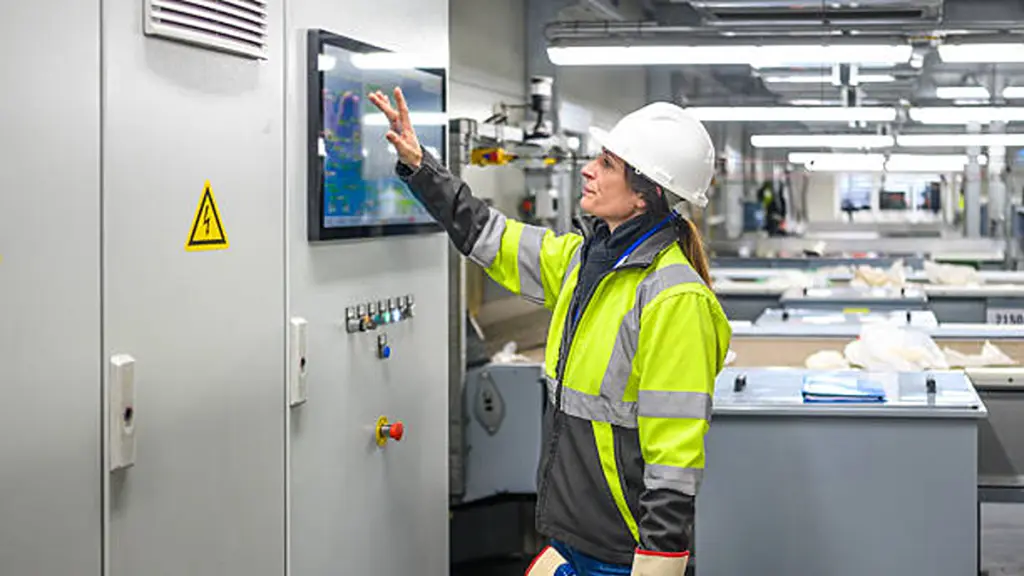
Industrial panel PC decisions should consider long-term operating costs, maintenance requirements, and failure risks rather than only the initial purchase price.
Evaluate Total Cost of Ownership Beyond Initial Price
A lower purchase price does not always mean a lower overall cost. Til industrielle anvendelser, maintenance frequency and production downtime often have a greater impact on the total investment.
| Cost Factor | Fanless Panel PC | Vented Panel PC |
|---|---|---|
| Indledende investering | Often higher due to sealed industrial design | May have lower upfront cost |
| Maintenance Cost | Lower maintenance requirements | Requires fan and filter inspection |
| Downtime Risk | Lower risk in harsh environments | Higher risk if airflow or maintenance is neglected |
| Long-Term Value | Suitable for continuous industrial operation | Better when high computing power is the priority |
For industrial buyers, the key question is not only “How much does the panel PC cost?” but also “How much will operation and maintenance cost over its service life?”
Assess Failure Risks Based on Operating Conditions
The installation environment directly affects touch panel PCs reliability. Dust, vibration, temperaturændringer, and limited maintenance access can increase the risk of unexpected failures.
When evaluating a system, buyers should consider:
- Miljøeksponering: Check whether the equipment will face dust, fugtighed, oil mist, or cleaning chemicals.
- Maintenance Access: Consider whether technicians can easily reach the equipment for inspection or repair.
- Operational Impact: Estimate the cost of production interruptions if the panel PC fails.
A system installed in a harsh production area requires stronger protection and reliability than one used in a controlled environment.
Review Industrial Reliability Specifications
Technical specifications help buyers compare whether a panel PC can meet actual site requirements. Important factors include:
- IP-vurdering: Indicates protection against dust and water exposure.
- MTBF Rating: Helps evaluate expected reliability over long-term operation.
- Operating Temperature Range: Ensures the system can perform under actual environmental conditions.
- Product Lifecycle Support: Confirms availability of maintenance, replacement parts, and future upgrades.
These specifications should always match the real application environment rather than standard laboratory conditions.
A reliable panel PC is not necessarily the one with the highest performance or lowest price. It is the system that minimizes operational risk while meeting the application’s computing requirements.
We also explain this concept further in our article about How Industrial Touch Screen Monitors are Tested.
Why TouchWo Can Support Custom Panel PC Structures for Harsh Sites
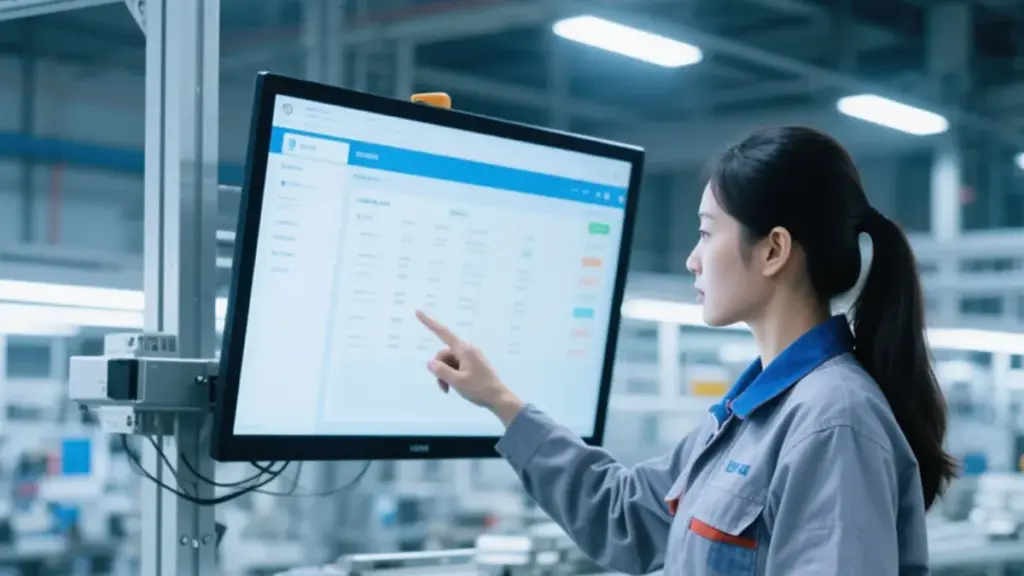
Harsh industrial environments often require panel PCs that go beyond standard configurations. TouchWo provides customized touch panel PC solutions to meet different installation, præstation, and application requirements.
Flexible Customization for Different Industrial Needs
Industrial equipment often has unique requirements for screen size, monteringsmetode, grænseflader, and system configuration. TouchWo supports OEM and ODM customization to help customers develop panel PCs that fit their specific applications.
Key customization options include:
- Display and Touch Solutions: Configure screen sizes and touch technologies for different user environments.
- Hardware Configuration: Select suitable system platforms and specifications based on application needs.
- Installation and Interfaces: Adapt mounting structures and connection options for different machines and control systems.
For OEM buyers, we also explain this in our guide to Brugerdefineret industriel berøringsskærm OEM/ODM-proces
Industrial Solutions for Reliable Operation
TouchWo industrial touch panel PCs are designed for automation, HMI, and control applications where stable operation is essential. Options such as IP65 front panel protection and support for multiple operating systems help customers build solutions for different industrial environments.
With flexible customization and industrial application experience, TouchWo helps businesses develop panel PCs that balance durability, usability, and system compatibility for demanding sites.
Afsluttende tanker
Dusty industrial environments require panel PCs that balance computing performance, pålidelighed, and long-term operating costs. EN fanless panel PC with a sealed design can help reduce maintenance risks and improve stability in applications where dust, vibration, and continuous operation are major concerns. Comparing fanless vs vented touch panel PCs based on actual site conditions helps buyers make a more practical investment decision.
For projects with unique installation or performance requirements, TouchWo provides customized touch panel PC solutions to support different industrial applications. Contact our team to discuss your OEM requirements and develop a panel PC configuration that fits your working environment.
Ofte stillede spørgsmål
What is the difference between fanless and vented touch panel PCs?
The primary difference is the cooling method. Fanless panel PCs use passive cooling, conducting heat through a sealed metal chassis. This design prevents dust and moisture from entering, making them more reliable in harsh industrial environments. Vented panel PCs use fans for active cooling, which allows them to support higher-power processors but makes them vulnerable to contaminants and requires regular maintenance.
Which panel PC is better for dusty environments?
A fanless, ventless (sealed) panel PC is the better choice for dusty environments. Its sealed enclosure prevents airborne particles like dust, metal shavings, or powders from entering and damaging internal components. Vented systems actively draw in dust with their fans, leading to clogged heatsinks, overheating, and higher failure rates.
Do fanless systems operate at higher temperatures than vented designs?
Fanless systems are engineered to operate safely at higher internal temperatures using industrial-grade components. While a vented system may keep components cooler in a clean environment, its cooling performance degrades as dust clogs its fans and vents. A fanless system maintains a stable and predictable thermal profile, ensuring long-term reliability in contaminated settings.
When should I choose a vented panel PC instead of a fanless one?
Choose a vented panel PC when your application demands very high-performance processors (CPU/GPU) that generate more heat than a passive system can dissipate. This choice is most suitable for clean, controlled environments like a control room, where the risk of contamination is low and regular maintenance for fans and filters is practical.
How can machine builders (OEM'er) reduce HMI failure risk in dusty sites?
OEMs can significantly reduce failure risk by standardizing on fanless, ventless touch panel PCs with an IP65 or higher rating. This approach eliminates the most common failure points in dusty environments: fan failure and internal contamination. A sealed, passively cooled design ensures higher machine uptime, lavere garantikrav, and greater customer satisfaction.