Los monitores de computadora tradicionales dependen de ratones y teclados externos para completar sus operaciones.. Funcionan bien para tareas sencillas de visualización en la oficina y el hogar.. Sin embargo, los escenarios comerciales e industriales modernos exigen más rapidez., métodos de interacción más intuitivos.
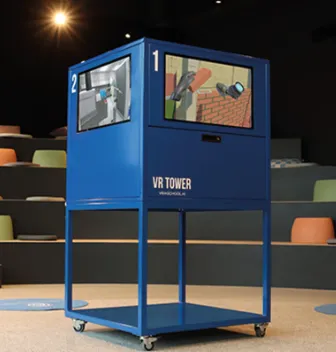
Muchos propietarios de empresas y creadores de proyectos dudan a la hora de actualizar sus dispositivos.. They wonder if a touchscreen monitor brings real practical value or unnecessary waste. De hecho, touchscreen devices offer unique advantages for interactive scenarios, though they have minor limitations for basic use. This article objectively analyzes the value of touchscreen monitors, suitable scenarios and practical usage tips to help you make accurate decisions.
Core Benefits That Make Touchscreen Monitors Worth Buying
Touchscreen monitors bring irreplaceable practical advantages for most professional scenarios. These benefits greatly improve operational efficiency and user experience.
1. Streamline daily operational steps
Users can control devices directly by tapping or sliding the screen. This method removes repeated mouse and keyboard operations. It simplifies complex control workflows for industrial and commercial equipment. Mientras tanto, it shortens operation time for daily staff and end users.
2. Save installation and space costs
A touchscreen integrates display and interactive functions in one single unit. It needs no extra input accessories or messy wiring layouts. It fits embedded, wall-mounted and desktop installations in narrow and compact spaces. It creates clean and tidy equipment arrangement for all venues.
3. Adapt to unmanned public service scenarios
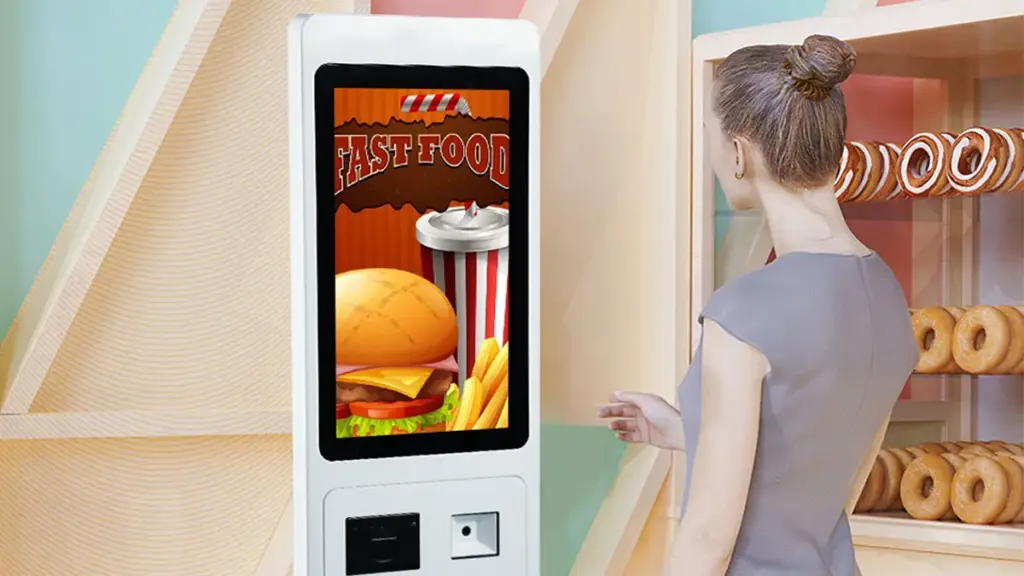
Self-service terminals need simple and convenient interactive modes. A touchscreen allows users to finish queries, orders and checks independently. It reduces long-term manual labor pressure for retail, medical and public service industries. It also stabilizes service efficiency during peak traffic periods.
4. Support stable high-frequency long-term use
Professional-grade touchscreen monitors adopt durable industrial materials. Resisten el roce diario, minor dust and ambient temperature changes. They maintain sensitive touch response and clear display for 24-hour continuous operation.
Minor Drawbacks of Touchscreen Monitors
To judge value objectively, you need to understand their small flaws. These disadvantages only affect limited usage scenarios.
1. Require regular daily maintenance
Touchscreen surfaces easily collect fingerprints, dust and oil stains. Dirty screens may cause slow response or inaccurate touch recognition. Users need simple regular cleaning to keep devices in good working condition.
2. Redundant for pure static display tasks
If you only use monitors to watch videos or display fixed data, touch functions serve no purpose. Ordinary monitors can fully meet these basic static display needs. Upgrading to a touchscreen will not bring extra benefits.
3. Slight performance attenuation after long use
Long-term high-frequency tapping will cause subtle surface wear. It will not affect normal use but requires regular inspection for long-term deployed devices.
Scenarios Where Touchscreen Monitors Are 100% Worth It
Touchscreen monitors create obvious economic and practical value in these mainstream scenarios. They are the optimal hardware choice for project deployment.
1. Industrial control workstations
Factory operators need frequent parameter adjustment and real-time data monitoring. A touchscreen enables fast on-site operation without auxiliary tools. It improves the flexibility and efficiency of production management.
2. Commercial self-service equipment
Abastecimiento, retail and supermarket self-service devices rely on touch interaction. A touchscreen optimizes customer operation processes and reduces queuing time. It greatly improves overall business service experience.
3. Smart public and office terminals
Office meeting screens, building control panels and hospital query devices suit touchscreen use. They provide intuitive human-computer interaction and realize intelligent unmanned management.
Scenarios Where Touchscreen Monitors Are Not Necessary
You can stick with ordinary monitors for these simple scenarios to avoid redundant costs.
1. Household entertainment and simple office use
Basic home video playback and document editing need no touch functions. Standard monitors fully meet daily low-demand use and reduce unnecessary equipment costs.
2. Closed static display equipment
Devices that only display fixed logos, data and pictures do not require interaction. Adding touch modules will not improve equipment performance at all.
Practical Tips to Improve Touchscreen Monitor Utilization
You can follow these simple tips to maximize the value of your touchscreen devices.
1. Match screen grade with usage environment
Choose commercial-grade touchscreen monitors for indoor clean scenarios. Select industrial-grade models for dusty, high-frequency working environments. Reasonable matching avoids performance waste.
2. Keep regular cleaning and inspection
Clean the screen surface with professional cleaning tools regularly. Check touch sensitivity and display status periodically. Good maintenance effectively extends the device’s service life.
3. Select standard plug-and-play models
Standard touchscreen monitors have strong system and interface compatibility. They support quick installation and simple later maintenance for various project devices.
FAQs About Touchscreen Monitor Value
Q1: Are touchscreen monitors worth it for small business deployment?
A1: Sí. Touchscreen monitors improve service efficiency and reduce manual staffing costs. They create stable long-term operational value for small commercial and retail projects.
Q2: Do touchscreen monitors have a shorter service life than regular monitors?
A2: No. Qualified standard touchscreen monitors have the same stable service life as ordinary monitors. Basic daily maintenance can guarantee long-term normal operation.
Q3: Is a touchscreen suitable for industrial workshop use?
A3: Sí. Industrial touchscreen monitors have dust-proof and wear-resistant features. They adapt to harsh workshop environments and support long-hour uninterrupted operation.
Q4: Can touchscreen monitors work with most common computer devices?
A4: Sí. Most touchscreen monitors adopt universal interfaces and systems. They support plug-and-play connection with mainstream industrial and civilian host devices.
Q5: What is the biggest advantage of choosing a touchscreen monitor?
A5: It simplifies human-computer interaction processes. It eliminates redundant external equipment and improves overall operational and service efficiency.
Conclusión
En general, touchscreen monitors are worth investing in for most interactive commercial and industrial scenarios. They deliver intuitive operation, space saving and stable high-frequency working performance. They help enterprises optimize service processes and reduce long-term operating costs. Sin embargo, touchscreen monitors are redundant for simple static display and daily home use. Choosing the right grade of touchscreen based on your actual scenario can maximize equipment utilization and project value.
If you plan to purchase high-quality, scenario-matched touchscreen monitors for your business or industrial projects, Por favor complete el formulario de consulta en nuestro sitio web oficial.. Share your usage environment and functional requirements, and our professional team will provide you with customized and reliable solutions.