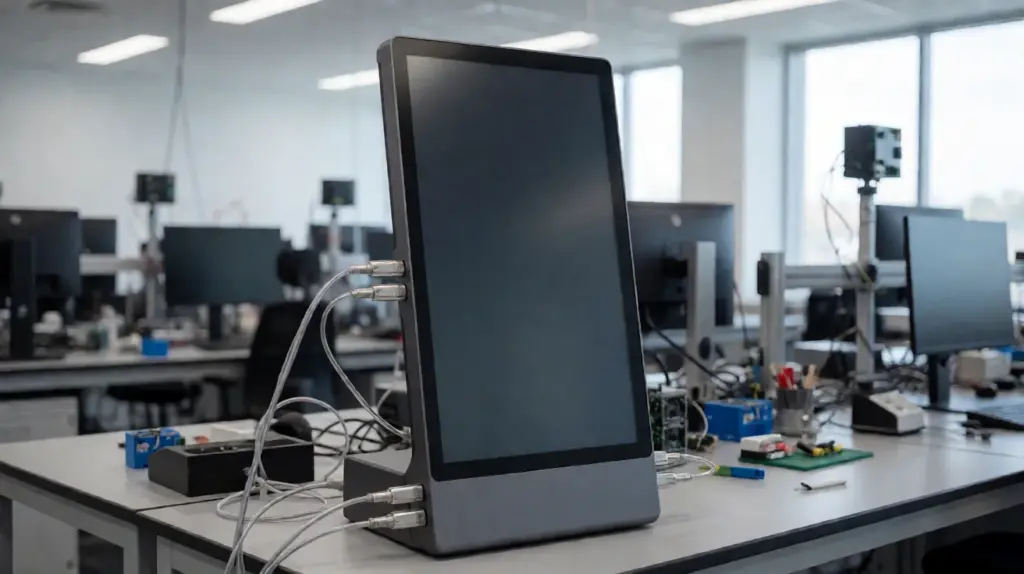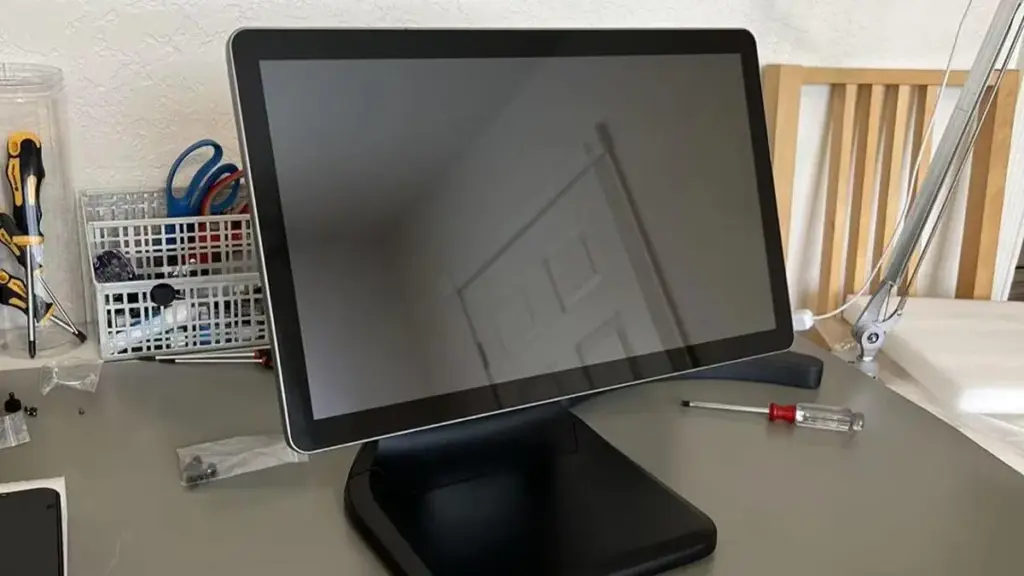
A minimum order quantity is written for a production schedule, where a line is booked by the batch. A one-piece MOQ answers a different question: whether a factory can build exactly one custom unit that represents the design you intend to order later. That one unit settles decisions a drawing cannot settle.
This guide is written for engineers and product managers who need a single custom monatóireacht a dhéanamh ar scáileán tadhaill or panel PC rather than a thousand units. It covers what a one-piece order can and cannot include, why the price per unit looks strange, and how one validated sample turns into a production quotation. Every company claim below points to a public page you can check.
What a One-Piece MOQ Actually Means
MOQ means minimum order quantity, the smallest run a supplier is willing to schedule as normal production. A one-piece MOQ removes that scheduling floor for custom touch hardware. It says one unit can be ordered, built, tested, and shipped as a real order rather than as an exception.
The phrase does not mean every possible change is available on one unit. Customization moves in tiers, and each tier behaves differently at low quantity. TouchWo’s company profile lists flexible OEM and ODM services with a MOQ of one among its published capabilities. That is a statement about order acceptance rather than a promise about tooling.
| Change tier | What it covers | Available on one unit? |
|---|---|---|
| Branding and finish | Lógó, housing color, boot screen | Tá, it follows the routine order flow |
| Cumraíocht | Cuimhne, stórála, córas oibriúcháin, ports | Tá, chosen from standard options |
| Screen choice | Size and touch structure on an existing platform | Tá, inside that platform range |
| Structure and interfaces | New bracket, custom cutout, added serial ports | After an engineering review |
| New industrial design | New housing molding, custom-shaped cover glass | Sample possible, tooling still applies |
A one-piece MOQ moves the quantity floor, not the engineering floor. Ask which tier your change sits in, and the lead time question usually answers itself.
Read the tiers as a question about process rather than a question about permission. A printed logo and a new injection mold are different jobs, so they enter the factory through different doors. The quantity is identical, and the work is not.
Which Custom Changes Need a Review
Any change that touches tooling or a new part geometry gets an engineering evaluation before a price exists. That rule holds at one unit and at ten thousand units. A supplier who quotes a new housing shape without asking for drawings is guessing, and the guess arrives on your schedule.
Tá an customization page lists ten dimensions a buyer can change: dath, lógó, appearance, cumraíocht, comhéadan, méid, modúl, ábhar, scáileán, and installation method. Most of them are selection work inside an existing platform, which is why a single unit can carry them. Appearance and material choices move toward structure, and structure is where a review starts.
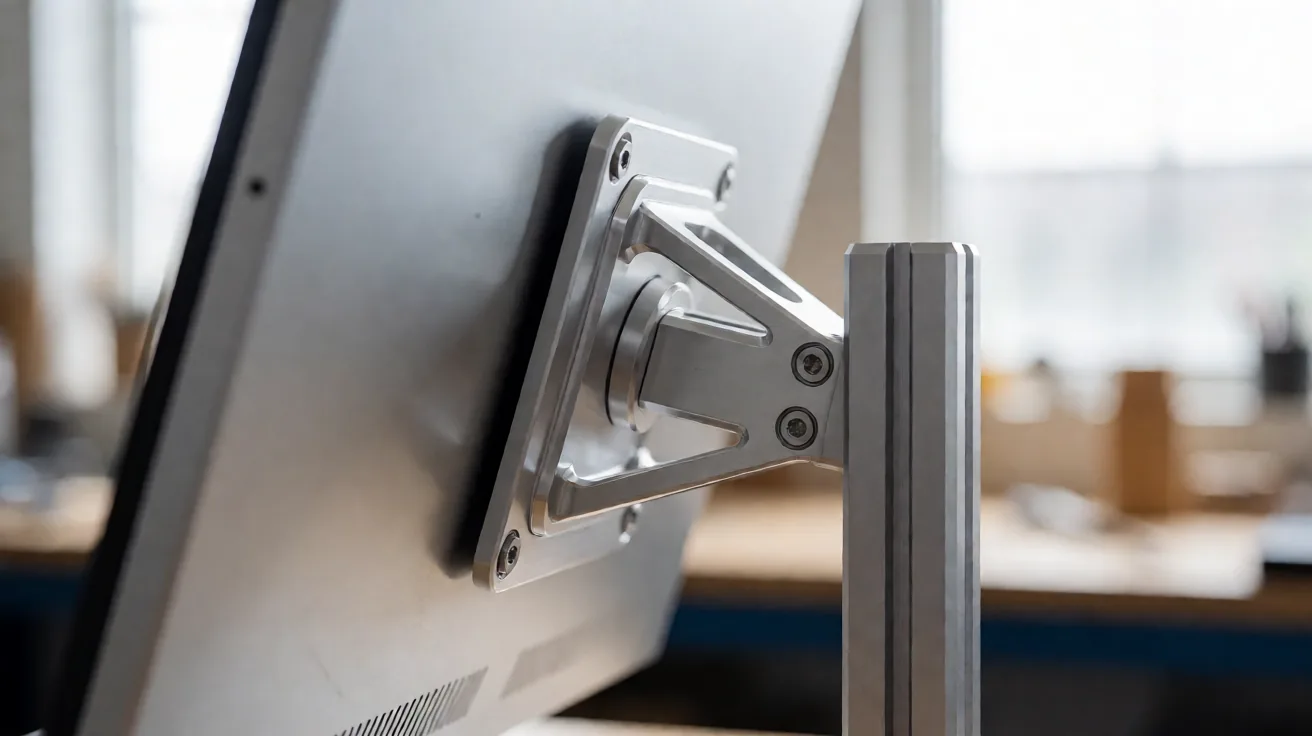
A cutout in a metal backplate is a sheet-metal job. A machined aluminum bezel is a second job with different tooling. A curved cover glass is a third job, and it carries a mold of its own. The specification sheet for the 15.6 inch industrial touch monitor shows the mounting, comhéadan, and environmental detail a review begins from.
Ask what the reviewer actually examines, because the answer sets your calendar. A useful review covers the drawing, the assembly sequence, the test plan, and the parts that must be bought for one unit instead of a reel. A rubber stamp covers none of them and still costs you the same order.
When a Single-Unit Order Makes Sense
A one-unit order is not a small production run. It is a different tool for a different job, and it earns its price in a narrow set of situations. Buying one unit to dodge a volume price is the wrong reason, because the unit price will look bad and the schedule will slip.
- Proof of concept: a client or an internal review sees a working custom unit instead of a rendering.
- Software fit trials: the application team develops against the real screen, rialtóir, and operating system.
- Test input: one production-representative unit enters your own plan or a laboratory plan.
- Trade shows and field pilots: one branded unit covers an event or a single site.
- Installed-base support: one spare reordered against a specification that is already frozen.
- Failure analysis: a replacement build with one corrected part shows whether the fix holds.
Each of those jobs ends with a decision rather than a delivery, which is why one unit is enough. The supplier-side checks behind that decision are covered separately in how to choose a kiosk manufacturer for an OEM project. Read them together, since a pilot order fails for the same reasons a production order fails.
Why One Custom Unit Costs More
A single unit of custom touch hardware costs more per piece than a batch unit, and the reasons are structural. Fixed work happens once no matter how many units follow, so one unit absorbs all of it. Specification review, drawing conversion, software loading, line setup, and packing design are all fixed tasks on a pilot order.
Materials behave the same way. A component bought as a single piece is priced differently from a component bought on a reel, and small-quantity purchases add handling on top. Testing does not shrink either, because a pilot that skips the production test program proves very little. Tá an breakdown of a custom touchscreen quote follows the same logic across its three cost lines.
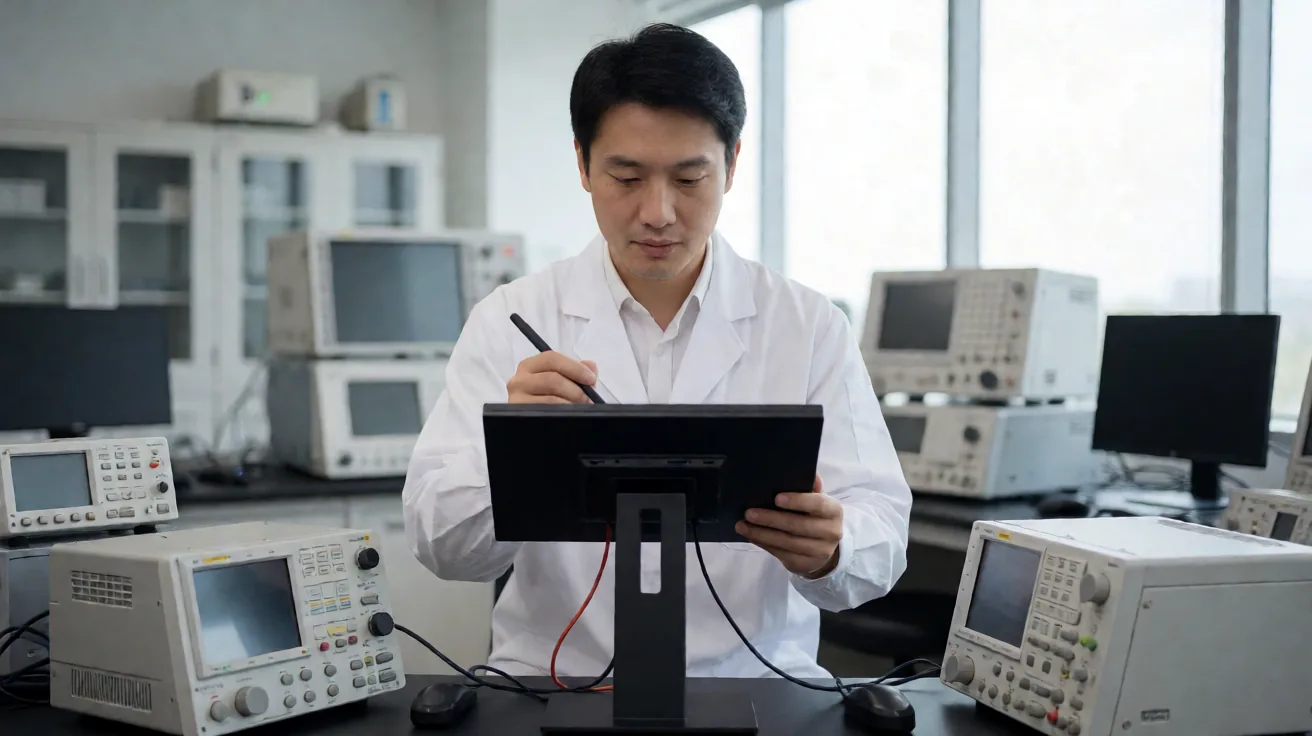
A pilot unit is priced by the work it absorbs, not by the volume it represents. Ask for the split, and the number becomes comparable.
What the premium buys is a settled design. After one unit you know whether the panel reads through the chosen glass and whether the cutout lines up with your enclosure. You also learn whether the software stack runs on the board you selected. Those answers arrive weeks earlier than they would on a first production batch, and at a fraction of that batch’s risk.
From Pilot Unit to Production Run
A pilot is one step in a sequence, and each step reduces the risk of the next. TouchWo’s customization page describes its own route as eight steps that begin with confirming requirements. The buyer-side version of that route looks like this.
- Specification freeze: líníocht, cumraíocht, and acceptance criteria are agreed in writing.
- Pilot build: one unit is produced under the conditions a production order will face.
- Acceptance testing: you test the unit against the frozen criteria rather than first impressions.
- Volume quotation: pricing is recalculated with real material and tooling knowledge.
- Ramp: production starts from a design that has already met your inspection.
Federal buyers formalize the same idea. The US acquisition regulation covers first article testing and approval, which ensures that the contractor can furnish a product that conforms to all contract requirements. That rule also tells the buyer to weigh the cost and schedule impact of asking for the step. The commercial lesson matches: one unit is worth paying for when it proves the process, and worth skipping when it only proves a prototype.
| Ask before the pilot | Why it matters later |
|---|---|
| Which line builds this unit | A hand-built special validates almost nothing |
| Which tests run on it | The same program should cover both orders |
| Which charges the pilot settles | Setup and tooling may repeat otherwise |
| Which documents arrive with it | Reports become your incoming inspection baseline |
| Who owns the drawings after payment | Reuse rights decide your second supplier |
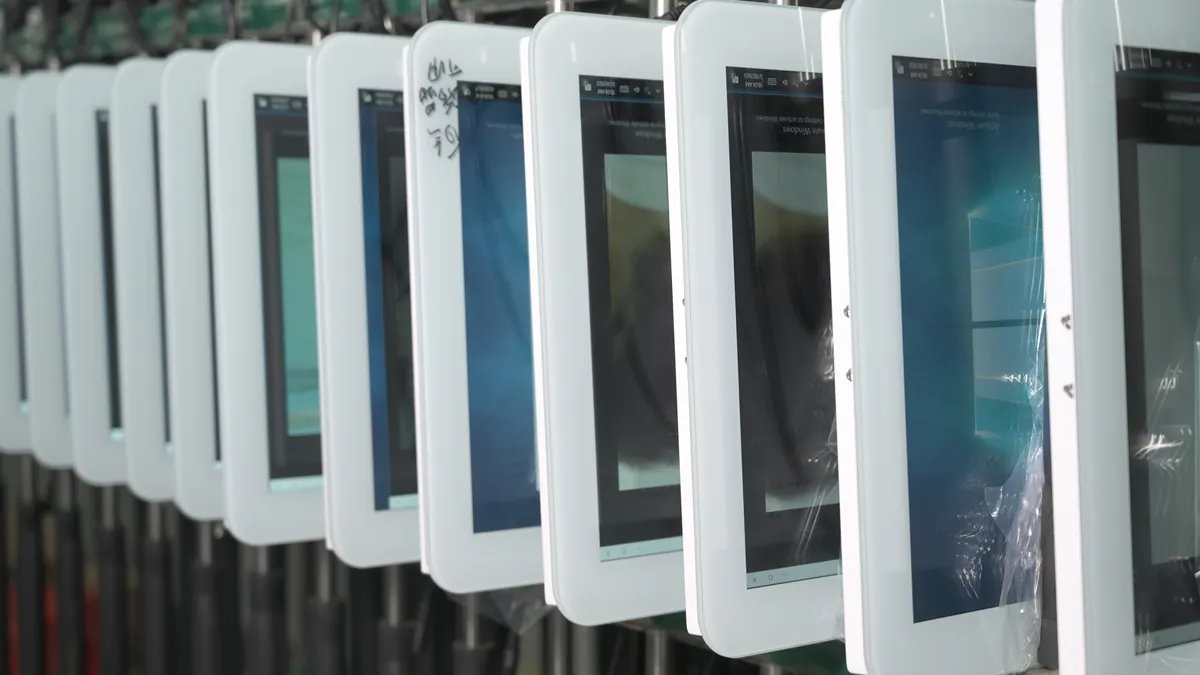
Ask for the test program in writing, then compare it with the program quoted on your production order. TouchWo publishes ten outbound tests on its expertise page, including a 48 hour powered functionality run before packing. Confirm which of those tests apply to your configuration and request the report for the exact model you buy.
How TouchWo Handles One-Piece Orders
TouchWo company profile lists flexible OEM and ODM services with a MOQ of one. The same page publishes eleven or more production lines for complete PC assembly and a 200K+ annual capacity. Read those numbers as the company’s own claims rather than as proof about your order. A capacity figure describes a plant, not the queue your unit joins.
Two structural details matter most for small runs. The company describes five in-house supply chains. Its own capacitive screen, cóimhiotal alúmanaim, and sheet metal production are where a bracket or cover glass revision is reviewed. The same engineering review applies to a one-unit request as to a larger project, so the answer should state which tier your change sits in.

Send the drawing, the quantity roadmap, and the acceptance criteria in one message, and ask for the pilot price and the volume price in one reply. A supplier who can price both at the same time is telling you the pilot was planned as part of a process. A supplier who quotes only the unit in front of you is selling you a sample.
Ceisteanna Coitianta
Is a one-piece MOQ available for a fully custom design?
For branding, cumraíocht, and screen choice, a single unit follows the normal order flow. For a new housing molding or a custom-shaped cover glass, one sample unit is possible as an engineering project. Tooling still applies at that tier, so ask which charges the sample settles and which repeat on the production order.
Why does one custom unit cost more than a batch unit?
Fixed work such as specification review, drawing conversion, line setup, and packing design happens once and lands entirely on the first unit. Materials bought one at a time carry no volume pricing. The full test program still runs, so the same line labor applies to one box as to one hundred.
Should the pilot unit come off the production line?
Ask that question explicitly, because it decides what the unit proves. A pilot built under production conditions and tested to the production program validates the process you are buying. A hand-assembled special may look identical and validate almost nothing about repeatability.
What should a single pilot unit validate?
Start with fit inside your real enclosure, then touch behavior under the gloves, taise, or ambient light at the installation site. Confirm the complete software stack runs on the chosen board and that the peripherals you need are recognized. Close with the mechanical details, since a bracket offset found later stops a rollout.
Can I order one spare unit for an installed base?
A reorder against a frozen specification is the cleanest case for a single unit, since no new design work is involved. Confirm the archived drawing is still the version the factory uses and that the same configuration is available. Ask which components were discontinued, because a substituted part can change fit or behavior.
Smaointe Deiridh
A one-piece MOQ is a scheduling decision rather than a discount for custom touch hardware. It lets a project buy one real unit, and it leaves the engineering tiers untouched. The buyers who get value from it are the ones who arrive with a drawing, a test plan, and a number in mind for what comes after.
Write down the tier your change sits in, the questions to ask before the pilot, and the criteria one unit must satisfy. Send that page with your drawings to TouchWo and ask for the pilot price and the volume price in the same reply. Keep the answers, because they become the baseline for every order after the first.