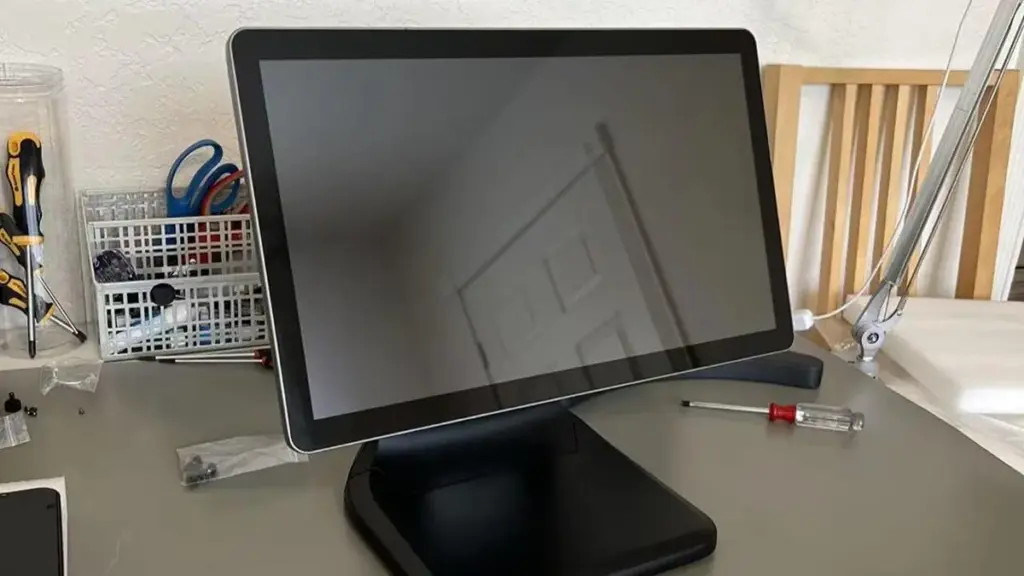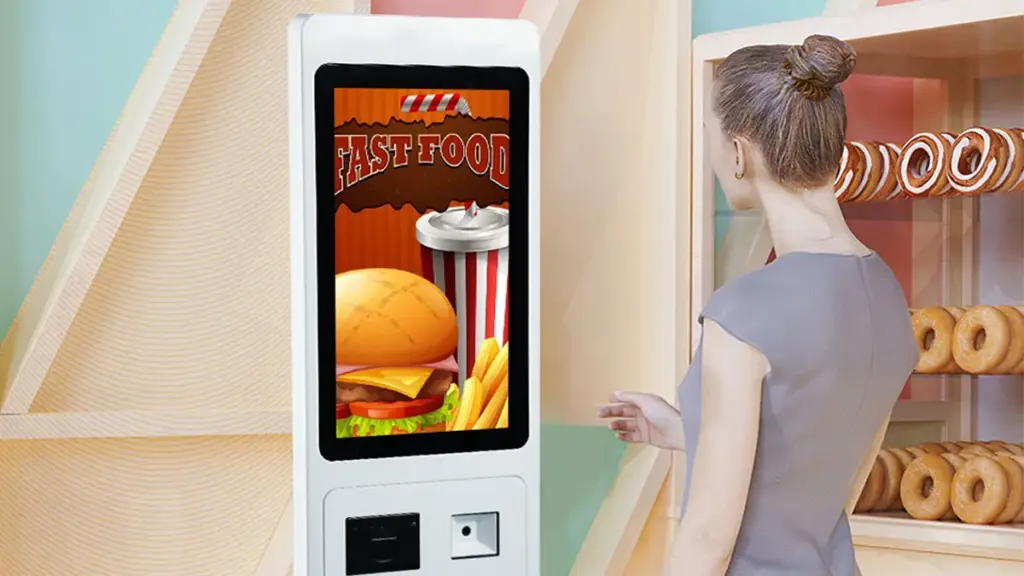
Molte piccole imprese e acquirenti di progetti cercano hardware di visualizzazione economicamente vantaggioso per il funzionamento quotidiano. A touch screen monitor offers convenient interactive functions for office, retail and light industrial scenarios. Most users prioritize stable basic performance while controlling overall hardware costs.

Budget-friendly touch screen monitor options do not equal low-quality or unreliable performance. Invece, they refer to simplified, scenario-matched models that remove redundant high-end functions. These affordable versions fully meet basic tapping, display and interactive needs. This article explains the cheapest viable touch screen monitor types, core selection standards and practical buying tips for budget projects.
The Cheapest Viable Touch Screen Monitor Types
Three mainstream touch screen monitor designs fit low-budget deployment. They deliver stable basic functions without unnecessary configuration waste.
1. Standard resistive touch screen monitor
Resistive touch screen monitors rank as the most cost-effective option in the whole industry. They adopt simple double-layer pressure sensing structures. They require no complex electrostatic induction components.
These monitors support pressure trigger input from common tools and gloved hands. They maintain steady performance in basic indoor and dusty environments. They skip advanced multi-touch functions to control overall costs effectively. They suit low-budget projects with single-point operation demands.
2. Basic infrared touch screen monitor
Entry-level infrared touch screen monitors also feature friendly budget thresholds. They build simple infrared light grids around screen borders. They need no expensive coating or sensing glass materials.
They deliver durable surface performance and avoid easy damage. They adapt well to public query terminals and simple display devices. They work reliably for long-term low-frequency and medium-frequency use.
3. Compact small-size capacitive touch screen monitor
Full capacitive monitors cost more in large sizes. Tuttavia, small-size basic capacitive models belong to affordable options. They retain smooth single-touch and simple multi-touch functions.
They offer clearer display effects and better user experience. They fit small office equipment and mini self-service devices. They balance basic experience and controlled procurement budgets.
Core Features of Budget-Friendly Touch Screen Monitor
The cheapest touch screen monitor focuses on practical core functions. It cuts redundant configurations while retaining necessary working performance.
1. Simplified but stable core sensing
Budget touch screen monitors reserve complete basic touch recognition. They support accurate tapping and sliding for daily operation. They remove high-end customized functions that most conventional projects do not need.
2. Standard indoor environmental adaptability
These monitors adapt to clean, dry and stable indoor scenarios. They resist ordinary dust and minor daily contamination. They meet the operating needs of most commercial and office venues.
3. Plug-and-play simple compatibility
Most affordable touch screen monitor models support universal interface connection. They match mainstream system devices. They need no complex driver debugging or professional installation steps. They lower deployment time and technical costs.
What Makes Low-Cost Touch Screen Monitors Affordable
Clear structural and design differences create their cost advantages. These designs target conventional daily usage scenarios.
1. Mature and mature manufacturing processes
Resistive and entry infrared touch technologies have mature production flows. Stable mass production reduces unit manufacturing costs. No special customized processing drives up overall expenses.
2. No redundant industrial-level upgrades
Budget monitors skip ultra-high brightness, waterproof and anti-vibration upgrades. They do not adopt thickened industrial shells. They focus on daily indoor use instead of harsh industrial scene adaptation.
3. Universal standard size design
General fixed-size panels avoid customized cutting and transformation costs. Standard accessories and structures further control overall procurement budgets for users.
Key Selection Tips for Cheap Touch Screen Monitor Purchases
Low-budget purchases still need basic screening to avoid practical usage risks. Follow these simple rules to select qualified products.
1. Match touch type with your operation habits
Choose resistive models if you need gloved or tool operation. Pick basic capacitive screens if you pursue smooth finger interaction. Reasonable matching avoids functional mismatch.
2. Prioritize basic stability over extra functions
Do not blindly pursue advanced multi-touch or ultra-high resolution. Basic stable touch accuracy and clear display are the core of daily use. Extra functions only increase unnecessary costs.
3. Verify basic after-sales support
Select regular suppliers with complete after-sales services. Budget devices still need basic technical support and maintenance guarantees. Reliable support reduces long-term usage risks.
Common Misconceptions About Cheap Touch Screen Monitors
Many buyers hold wrong views on low-cost touch screen monitor products. These misunderstandings affect reasonable purchasing decisions.
1. Low cost does not mean poor stability
Qualified budget touch screen monitors adopt mature technologies. They run stably for long-term indoor use. They only lack high-end customized functions, not basic working reliability.
2. Basic models suit most ordinary scenarios
Most office, retail and simple self-service scenarios do not need industrial-grade configurations. Standard budget touch screen monitors fully meet daily operational demands.
FAQs About Affordable Touch Screen Monitor
Q1: What is the cheapest type of touch screen monitor?
A1: Standard resistive touch screen monitors are the most affordable option. They use mature simple structures and fully meet basic indoor interactive needs for budget projects.
Q2: Are cheap touch screen monitors reliable for long-term use?
A2: SÌ. Qualified budget monitors adopt mature technologies. They maintain stable performance under regular indoor working environments with daily basic maintenance.
Q3: Can cheap touch screen monitors support gloved operation?
A3: Resistive budget touch screen monitors support gloved and tool operation. Basic capacitive models only adapt to bare finger touch input.
Q4: Do affordable touch screen monitors need complex installation?
A4: NO. Most budget touch screen monitors support plug-and-play use. They connect with universal interfaces and need no complicated debugging work.
Q5: Which scenario fits low-cost touch screen monitors best?
A5: They fit indoor office equipment, simple retail self-service terminals and public inquiry devices. They create high cost performance for conventional commercial scenarios.
Conclusione
Per riassumere, the cheapest touch screen monitor options mainly include standard resistive models, entry infrared monitors and small-size basic capacitive monitors. These budget-friendly products adopt mature technologies and simplified configurations. They remove redundant high-end functions while retaining stable basic display and touch performance. They perfectly adapt to indoor office, retail and simple public service scenarios. Low-cost touch screen monitors deliver excellent cost performance for conventional projects without unnecessary budget waste.
If you need stable, high-cost-performance touch screen monitor solutions for your commercial or indoor projects, si prega di compilare il modulo di richiesta sul nostro sito ufficiale. Condividi i tuoi scenari di utilizzo e le tue esigenze funzionali, and our professional team will recommend the most suitable budget touch screen monitor solutions for you.