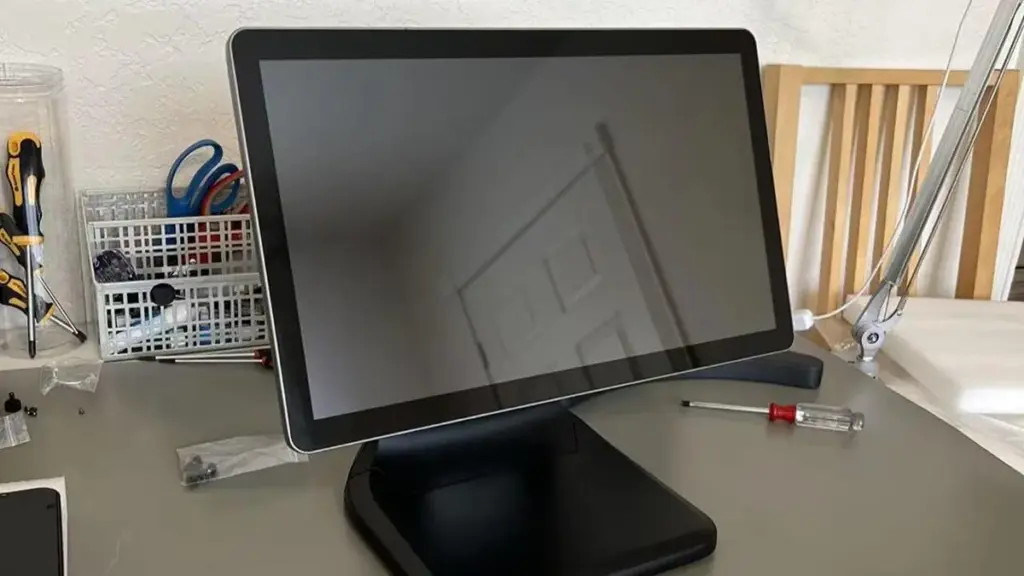
I PC industriali fungono da unità di calcolo centrali per l’automazione industriale, sistemi di controllo macchina e monitoraggio esterno. They differ greatly from ordinary desktop computers in build quality, cooling design and environmental resistance. Per questo motivo, many project buyers ask the same question: what is the cost of an industrial PC?

There is no single fixed answer, because industrial PC costs vary widely based on performance, protection level and customization needs. Tuttavia, understanding the main cost drivers helps you budget accurately and avoid overspending or underspending. This article explains the key factors that affect industrial PC pricing, the common configuration tiers, and practical tips to control costs without sacrificing reliability.
Why Industrial PC Costs Vary So Widely
Before looking at specific cost factors, it helps to understand why industrial PC prices span such a wide range. Unlike consumer computers, industrial PCs are built to order for specific working environments.
Scenario-driven design differences
An industrial PC for a clean control room has very different requirements from one installed on a factory floor or an outdoor site. Control room models need stable performance but basic protection. Outdoor and factory models need sealed enclosures, wide-temperature components and vibration resistance. These extra protection features directly increase manufacturing costs.
Customization and standardization gaps
Standard off-the-shelf industrial PC models cost less because they benefit from mass production. Customized models, such as those with special port layouts, custom mounting or modified enclosures, require additional engineering and production time. This customization adds to the final cost.
Key Factors That Determine Industrial PC Cost
Six main factors shape the final cost of an industrial PC. Understanding each one helps you make informed purchasing decisions.
Processor performance level
The processor is one of the largest cost drivers in any industrial PC. Low-power processors suitable for simple data logging and basic control cost less. High-performance processors needed for complex automation, vision inspection or multi-task processing cost significantly more. Choosing the right processor level for your actual workload is the most effective way to control cost.
Memory and storage capacity
Industrial PCs use industrial-grade memory and storage for long-term reliability. Larger memory and higher-capacity storage increase cost, but they also improve multitasking performance and data storage space. Most projects find a balanced configuration sufficient, rather than maximum specifications.
Cooling design and enclosure type
Fanless industrial PCs use the metal enclosure as a heat sink. This design eliminates fan failure and reduces dust intake, but it requires more expensive thermal materials and precision-engineered casings. Models with fan cooling cost less, but they carry higher long-term maintenance risks in dusty environments.
Environmental protection level
Industrial PCs designed for harsh environments carry higher protection ratings. Recinti sigillati, wide-temperature components, anti-vibration mounting and corrosion-resistant materials all add to production costs. A model rated for outdoor or wash-down environments costs more than one intended for a clean indoor control room.
Interface and expansion options
The number and type of ports affect industrial PC cost. Models with multiple serial ports, Ethernet ports, USB ports and optional expansion slots cost more than basic configurations. Tuttavia, having the right interfaces avoids the need for external adapters and hubs later, which can save money in the long run.
After-sales support and warranty length
Industrial PCs with longer warranty periods and comprehensive technical support cost more upfront. Tuttavia, they reduce the risk of unexpected downtime and repair costs over the product lifecycle. For mission-critical applications, the extra investment in support often pays for itself.
Common Industrial PC Configuration Tiers
Industrial PCs generally fall into three configuration tiers. Each tier fits different project scales and budgets.
Entry-level industrial PC
Entry-level models use low-power processors, basic memory and storage, and standard fanless or fan-cooled enclosures. They suit simple data collection, basic machine control and light monitoring tasks in clean indoor environments. These models offer the lowest cost while still providing industrial-grade reliability.
Mid-range industrial PC
Mid-range models use more capable processors, larger memory and storage, and better-protected enclosures. They handle multi-task control, moderate data processing and standard factory floor deployment. This tier offers the best balance between cost and performance for most industrial projects.
High-end industrial PC
High-end models use powerful processors, maximum memory and storage, and heavy-duty sealed enclosures with high protection ratings. They support complex automation, machine vision, real-time data processing and harsh outdoor environments. These models carry the highest cost but deliver maximum performance and reliability for demanding applications.
Practical Tips to Control Industrial PC Cost Without Sacrificing Quality
You can manage industrial PC costs effectively by following these practical tips.
Match specifications to actual needs
Avoid over-specifying processors, memory and storage beyond what your application requires. Many projects run perfectly well on mid-range configurations. A careful needs assessment before purchase prevents unnecessary spending.
Choose standard models when possible
Standard off-the-shelf industrial PC models benefit from mass production and lower engineering costs. Choose a standard model if it meets your port, mounting and performance needs. Reserve custom orders for projects where standard models truly cannot fit.
Considera il costo totale di proprietà
The initial purchase price is only part of the total cost. A slightly more expensive fanless model with a longer warranty may cost less over five to ten years than a cheaper fan-cooled model that requires frequent repairs. Always evaluate total cost of ownership, not just upfront price.
Buy in volume for multiple deployments
If your project requires multiple industrial PC units, volume purchasing often reduces per-unit cost. Planning your deployment in batches and ordering together can generate meaningful savings.
FAQs About Industrial PC Cost
Q1: Is there a fixed price for an industrial PC?
A1: NO. Industrial PC costs vary widely based on processor performance, memoria, magazzinaggio, protection level, interfaces and customization. Each project configuration has a different cost.
Q2: Why are industrial PCs more expensive than ordinary desktop computers?
A2: Industrial PCs use industrial-grade components, fanless cooling designs, sealed enclosures and wide-temperature support. These features ensure reliable operation in harsh environments, but they also increase manufacturing costs.
Q3: Can I use a consumer computer to reduce industrial PC cost?
A3: It is not recommended for industrial environments. Consumer computers lack dust protection, vibration resistance and long-term stable operation. They often fail prematurely in factory settings, leading to higher total costs from downtime and repairs.
Q4: Which configuration tier offers the best value for most projects?
A4: Mid-range industrial PC models usually offer the best balance between cost and performance. They handle most factory automation and control tasks while keeping budgets reasonable.
Q5: How can I get an accurate cost estimate for my industrial PC project?
A5: The most accurate way is to share your project requirements, including performance needs, working environment, required interfaces and quantity, with a professional supplier. They can provide a tailored configuration and cost estimate based on your actual needs.
Conclusione
In sintesi, the cost of an industrial PC depends on processor performance, memory and storage, cooling design, Protezione ambientale, interface options and after-sales support. Entry-level models suit simple tasks in clean environments, mid-range models offer the best balance for most projects, and high-end models handle demanding applications in harsh conditions. By matching specifications to actual needs, choosing standard models when possible and considering total cost of ownership, you can control industrial PC costs without sacrificing long-term reliability.
Because every industrial PC project has unique requirements, the most accurate cost estimate comes from a tailored configuration review. If you need a detailed cost estimate and professional configuration recommendation for your industrial PC project, si prega di compilare il modulo di richiesta sul nostro sito ufficiale. Share your performance needs, working environment and required interfaces, and our team will provide a customized solution and quotation for you.