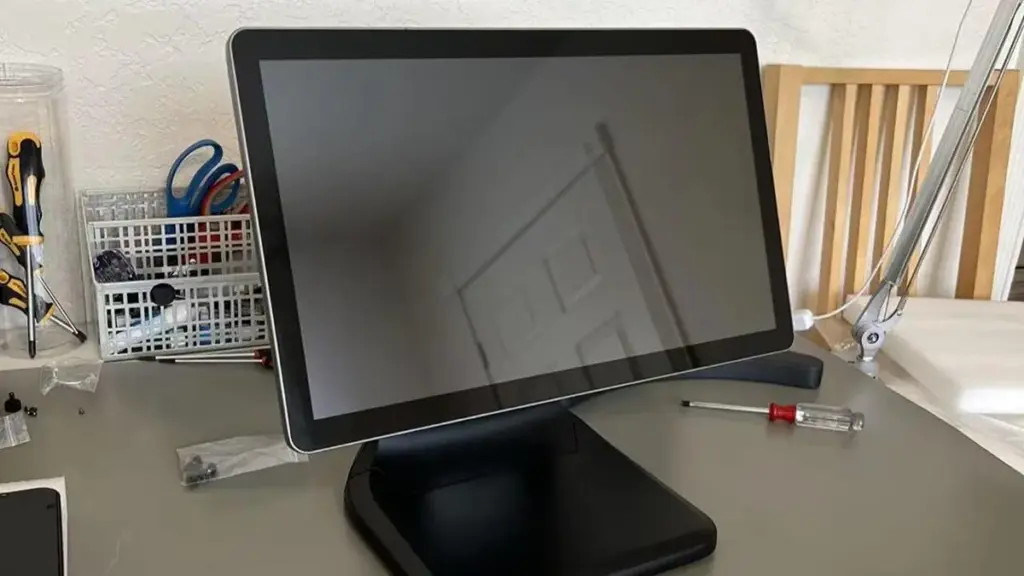
Quando investi in un PC all-in-one, naturalmente vuoi sapere quanto durerà. Unlike a desktop tower where you can swap parts, an all-in-one PC packs everything into one slim body. This makes lifespan an important buying consideration.
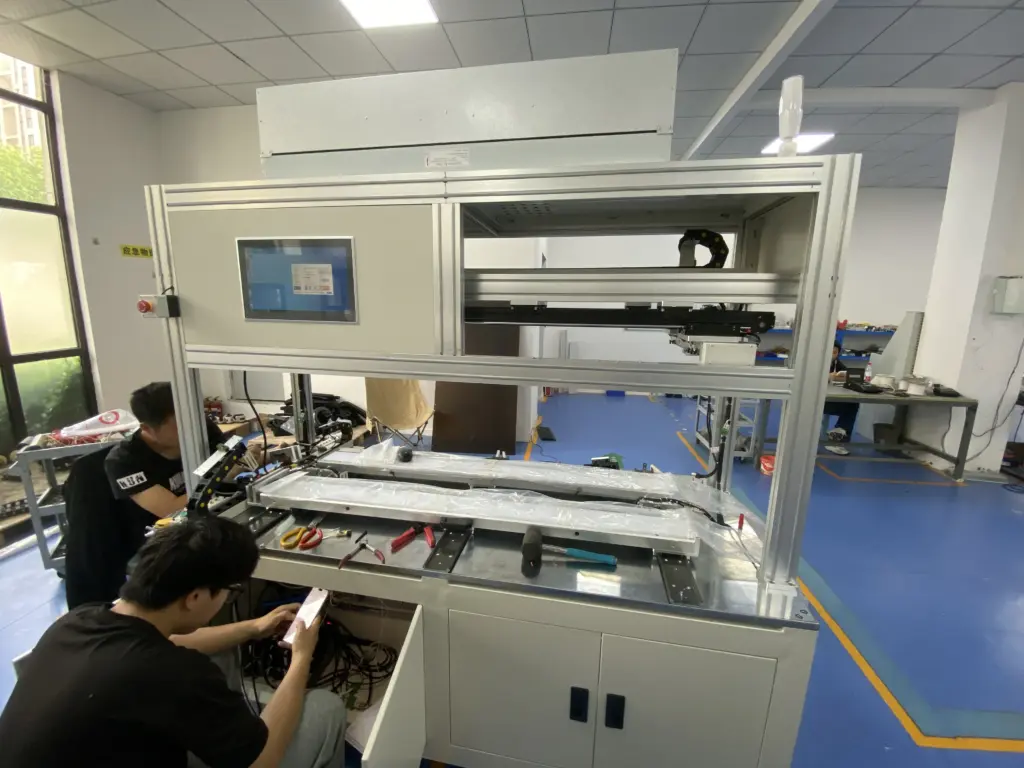
There is no single fixed number. The lifespan of an all-in-one PC depends on its build quality, intensità di utilizzo, working environment and maintenance habits. A home office model may last a different number of years than a rugged industrial unit. This article explains the typical lifespan ranges, the main factors that shorten or extend it, and practical ways to get the most value from your machine.
Typical Lifespan Ranges by All-in-one PC Type
Different grades of all-in-one PC are built for different service expectations.
Consumer and office all-in-one PC
A standard consumer or office all-in-one PC typically serves for four to six years under normal daily use. This covers web browsing, document editing, video calls and light media consumption. After this period, performance may feel slow for new software, and minor component issues can appear.
Commercial touch all-in-one PC
Commercial touchscreen models used in retail, hospitality and public kiosks usually last five to seven years. They are built for higher daily interaction and more robust use. Touch layers and display panels are designed to withstand frequent taps and public handling.
Industrial all-in-one PC
Industrial-grade all-in-one PCs are built for long service life. With fanless cooling and sealed enclosures, they commonly run for seven to ten years or more. They use industrial-grade components rated for continuous operation. Their lifespan is often limited by display backlight aging rather than processor failure.
Main Factors That Affect All-in-one PC Lifespan
Several key conditions determine how long your all-in-one PC will actually last.
Cooling design and heat management
Heat is the biggest enemy of electronics. An all-in-one PC with poor cooling runs internal components at higher temperatures. Over years, this accelerates capacitor wear and shortens lifespan. Fanless industrial models dissipate heat through the chassis, keeping internal temperatures lower and more stable.
Usage intensity and operating hours
An all-in-one PC used for a few hours a day in a home office lasts longer than one running 24 hours a day in a kiosk. Continuous high-load operation generates more heat and wears components faster. Commercial and industrial models are specifically rated for extended daily use.
Working environment
Polvere, umidità, temperature extremes and vibration all reduce lifespan. A clean, air-conditioned office environment protects internal parts. A dusty factory floor or a humid retail kitchen accelerates wear. Industrial enclosures are designed to resist these conditions.
Component quality
Consumer-grade memory and storage have shorter rated lifespans than industrial-grade parts. Cheap power supplies are a common failure point. Higher-quality components cost more upfront but last longer and fail less often.
Maintenance habits
Regular dust cleaning, timely software updates and proper shutdown procedures all extend life. An all-in-one PC that sits dusty for years runs hotter and fails sooner. Simple maintenance makes a noticeable difference over time.
Common Signs That an All-in-one PC Is Aging
Knowing the warning signs helps you plan replacement before unexpected failure.
Sluggish performance
As storage fills and components age, boot times and application load speeds slow down. This is often the first sign users notice. Sometimes a storage upgrade or fresh operating system install restores speed.
Display fading or backlight issues
Over years, the display panel may show uneven brightness, flickering or dimming. LCD backlights gradually lose intensity. Touch accuracy may also drift as the touch layer ages.
Fan noise increase
Models with cooling fans may start making more noise as bearings wear out. This usually signals that the fan is nearing the end of its life and may need replacement.
Port or connection failures
USB ports or power connectors can become loose after years of plugging and unplugging. These issues often indicate internal solder joint stress or connector wear.
Practical Tips to Extend All-in-one PC Lifespan
You can take several simple steps to maximize the working life of your machine.
Keep vents and screens clean
Dust blocks airflow and traps heat. Gently clean vents and screens with appropriate tools. This keeps internal temperatures lower and protects cooling performance.
Avoid overloading the system
Run only the software you need. Heavy multitasking keeps the processor hot and shortens its working life. Match your usage to the hardware’s capacity.
Use stable power supply
Sudden power surges or shutdowns damage power supplies and storage. A stable power source protects internal electronics and prevents data loss.
Schedule professional maintenance
For commercial and industrial deployments, schedule periodic professional inspections. Technicians can clean internal dust, check connections and replace aging parts early before they cause downtime.
Choose the right grade from the start
The easiest way to extend lifespan is to buy the right grade for your environment. A consumer model in a dusty factory will fail early. An industrial model in a clean office may be overkill but will last reliably.
FAQs About All-in-one PC Lifespan
Q1: How long does a typical all-in-one PC last?
A1: A consumer or office model usually lasts four to six years. Commercial touch models last five to seven years, while industrial-grade all-in-one PCs commonly run seven to ten years or more.
Q2: Can an all-in-one PC be upgraded to extend its life?
A2: Some models allow memory or storage upgrades. Adding more memory or replacing a mechanical drive with an SSD can noticeably extend usable life. Processor and graphics upgrades are usually not possible.
Q3: What is the most common part that fails first?
A3: The storage drive and cooling fan are common early failure points. Display backlights and touch layers also age gradually over years of use.
Q4: Does leaving an all-in-one PC on 24/7 reduce its lifespan?
A4: Continuous operation does generate more heat and wear. Tuttavia, industrial all-in-one PCs are specifically designed for 24/7 utilizzo. Consumer models are not rated for nonstop operation.
Q5: Is it worth repairing an older all-in-one PC?
A5: For minor issues like a failed fan or storage drive, repair is often worthwhile. If the motherboard or display panel fails, replacement may cost more than a newer model.
Conclusione
In sintesi, the lifespan of an all-in-one PC varies by grade: four to six years for office models, five to seven years for commercial touch units, and seven to ten years or more for industrial models. Cooling, intensità di utilizzo, ambiente, component quality and maintenance all play a major role. By keeping the machine clean, avoiding overload, using stable power and choosing the right grade from the start, you can maximize its working life.
If you need a reliable, long-lasting all-in-one PC for your commercial or industrial project, si prega di compilare il modulo di richiesta sul nostro sito ufficiale. Share your working environment, daily operating hours and performance needs, and our team will recommend a durable all-in-one PC solution built to last.