ຂ້າມໄປຫາເນື້ອໃນ

OEM, ODM, and private label are three common manufacturing models for businesses sourcing touch screen monitors. The main difference is who owns the product design and how much the buyer can change. This affects development costs, ການປັບແຕ່ງ, production responsibilities, and long-term product control. For system integrators and channel brands, the right choice depends on two factors: whether the hardware itself sets your product apart and how much volume you expect to sell. This article explains how each model works and when to use it.
Key Takeaways
- OEM builds to the buyer’s design and specifications, offering the most control but requiring more engineering work and upfront investment.
- ODM uses the manufacturer’s existing design as a base, allowing buyers to configure and brand the product with less development work.
- Private label adds branding to a standard catalog product, making it the fastest option with the least hardware customization.
- Contract terms should clearly define design ownership, ການປ່ຽນແປງວິສະວະກໍາ, ເຄື່ອງມື, and certification responsibilities.
- TouchWo supports OEM, ODM, and private label projects, with custom OEM and ODM orders available from a one-piece MOQ.
OEM, ODM, and Private Label: Who Owns the Design?
OEM, ODM, and private label describe different levels of buyer involvement in product design. ເຖິງຢ່າງໃດກໍ່ຕາມ, manufacturers do not always use these terms in the same way. Before comparing quotations, buyers should confirm who owns the design, which changes are allowed, and who can reuse the engineering files.
For businesses sourcing ສໍາຜັດຕິດຕາມກວດກາຫນ້າຈໍ, the three models generally work as follows:
- OEM (ຜູ້ຜະລິດອຸປະກອນຕົ້ນສະບັບ): The buyer provides the product design or detailed specifications, and the factory manufactures according to them.
- ODM (ຜູ້ຜະລິດຕົ້ນສະບັບອອກແບບ): The factory develops and owns the product design. The buyer selects an existing platform, requests agreed changes, and sells the finished product under its brand.
- Private Label: The buyer selects a standard catalog product and adds branding, such as a logo, ໜ້າຈໍບູດ, or custom packaging. The hardware design remains unchanged.
The main difference is design control, not simply whether a product carries your logo. A private-label monitor and an OEM monitor can both display your brand, but the buyer’s control over the hardware is very different.
Three contract points deserve attention:
- Design and IP ownership: State who owns drawings, ເຄື່ອງມື, and other engineering files, and whether the factory can reuse them.
- Engineering change control: Define who approves modifications and how the buyer receives advance notice.
- ຂອບເຂດການຢັ້ງຢືນ: Identify which product configurations are covered by existing certificates and whether modifications require further testing.
A clear agreement is more useful than relying on the model name printed on a quotation.
How Do the Three Models Compare on Cost and Customization?
The three manufacturing models distribute development costs and production responsibilities differently. Comparing them side by side helps buyers see what they pay for and what control they receive.
| Comparison | OEM | ODM | Private Label |
|---|---|---|---|
| Design owner | ຜູ້ຊື້ | ໂຮງງານ | ໂຮງງານ |
| ການປັບແຕ່ງ | Full design and specifications | Platform and configured changes | Branding only |
| Development cost | Highest; NRE and tooling | ປານກາງ; configuration changes | No engineering cost |
| Sample lead time | Longest; design work comes first | Shorter; uses an existing platform | Shortest; branding sample only |
| Best suited for | Unique product requirements | Specific needs without full redesign | Fast market entry and branding |
Volume also affects the total cost. OEM requires more investment before production, but tooling and engineering costs can be spread across a large order. ODM starts with an existing platform, so the initial development cost is lower. Private label avoids product development costs, although the hardware offers fewer ways to stand apart from competing products.
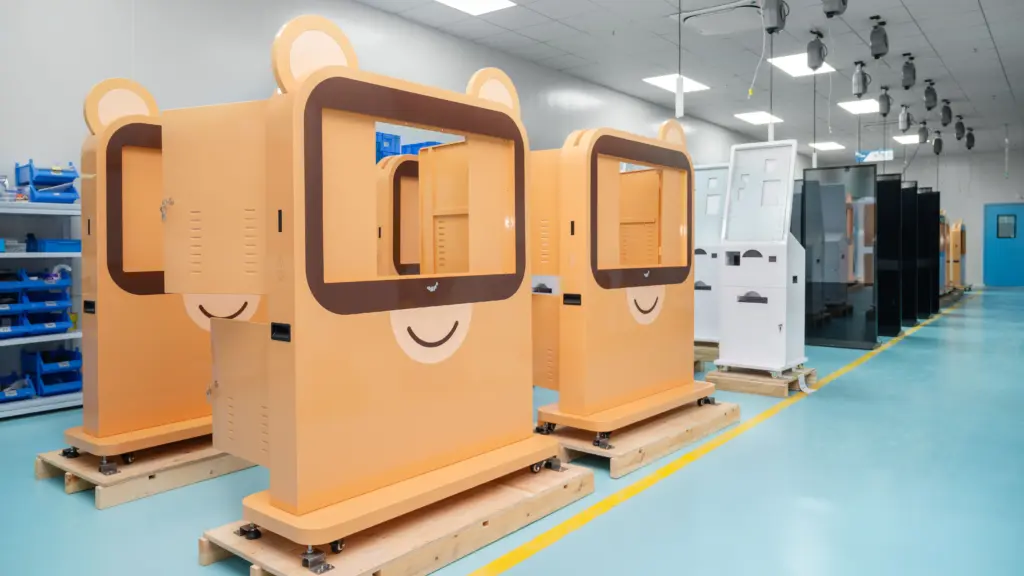
TouchWo provides different OEM/ODM customization options, covering product appearance, ຂະຫນາດ, ວັດສະດຸ, ໂຕ້ຕອບ, ແພັກ, and installation methods. Buyers can compare these options with their actual project requirements before deciding how much customization they need.
When Should Integrators Choose OEM for Touch Monitors?
OEM is suitable when the touch monitor’s design, ຝາປິດ, or hardware configuration is a key part of the buyer’s product. This often applies to medical carts, vending equipment, ເຄື່ອງຈັກອຸດສາຫະກໍາ, and systems that require a specific mechanical structure or interface layout.
The buyer needs to provide a clear design package, ລວມທັງ:
- Mechanical drawings and enclosure dimensions.
- Interface and electrical specifications.
- Required certification scope.
- Product acceptance criteria.
The factory then follows the approved specifications and manages production processes, material sourcing, ການທົດລອງ, and quality records.
OEM also requires a clear division of responsibilities. If a problem comes from the buyer’s original design, the buyer may need to revise the design. If the factory fails to manufacture according to the approved drawings, it should address the production issue under the agreed terms.
Engineering changes need particular attention. A change to a component, ຮູບແຕ້ມ, or production process can affect later orders. Buyers should define approval procedures, advance notice, and last-time-buy rights in the agreement. ໄດ້ engineering change management process helps keep product revisions under control.
OEM is not always the best starting point. If the design package is incomplete or the product requirements are still changing, an existing ODM platform may reduce early development work.
When Does ODM Fit a Custom Touchscreen Project?
ODM is a practical choice when a standard product is close to the required specification but needs some changes. Instead of developing the entire monitor from the beginning, buyers can start with an existing platform and adjust selected features.
ເປັນຕົວຢ່າງ, a system integrator may need a brighter screen for a public-facing installation, a different mounting structure, a specific operating system, or additional ports. The factory can assess whether these changes fit its existing product platform.
This approach reduces the work required for a new design while giving buyers more flexibility than private label. It also allows the factory to build on an existing product structure and its production experience.
TouchWo supports OEM and ODM customization for different touch display projects. Its official website provides information about its touch monitors, PARLE PC, and kiosk products, as well as its manufacturing and customization capabilities.
For existing platforms, TouchWo can provide samples in 3–5 working days, depending on the requested configuration. Buyers should confirm the actual schedule after the factory reviews the requirements.
ODM also works well for projects that may expand over time. A buyer can first test the market with a configured platform, then consider greater design control if sales volume and product requirements justify further investment.

When Is Private Label Enough for Your Brand?
Private label is suitable when the factory’s existing touch monitor already meets the technical requirements. The buyer mainly needs to add a brand identity without changing the hardware design.
ທາງເລືອກທົ່ວໄປປະກອບມີ:
- Company logos on the bezel or housing.
- Custom housing colours and finishes.
- Branded boot screens and interface graphics.
- Custom packaging and product labels.
There is no need for product engineering or new tooling when the order only involves standard branding. Sampling mainly checks whether the logo, colours, and other brand details meet the approved requirements.
This model works well for channel brands, rental fleets, and system integrators whose main value comes from software, ການຕິດຕັ້ງ, and after-sales service rather than unique hardware.
ເຖິງຢ່າງໃດກໍ່ຕາມ, private label has a clear limit. The underlying product remains a catalog model, so other buyers may source the same hardware. Branding helps build recognition, but it does not provide exclusive control over the product design.
ກ່ອນທີ່ຈະວາງຄໍາສັ່ງ, confirm which parts can carry your brand and whether the factory’s own logo will appear on the product, ຊອບແວ, or packaging. ບົດຄວາມຂອງພວກເຮົາກ່ຽວກັບ white-label touch monitors explains the available branding options and what to check before production.

Deciding Between OEM and ODM?
TouchWo supports all three models: build-to-print OEM projects, platform-based ODM configuration, and private-label branding on catalog units, with custom projects starting at a one-piece MOQ. Tell us your differentiator and volume for a model recommendation.
OEM Build to Print | ODM Platform Configuration | Private Label Branding
How to Choose a Model and Set Contract Terms?
The right manufacturing model depends on two questions: does your business need a unique hardware design, and how much volume can you realistically sell?
Use these points to make the decision:
- Choose OEM when the hardware itself is your competitive advantage and the expected volume can support the initial engineering investment.
- Choose ODM when you need specific configurations but an existing platform can meet most of your requirements.
- Choose Private Label when the standard product already works and speed, ການສ້າງຍີ່ຫໍ້, and lower development costs matter more than hardware differentiation.
MOQ is another factor to consider. TouchWo accepts custom OEM and ODM projects from a one-piece MOQ, which allows buyers to test a design before committing to larger production volumes. Catalog-based branding follows the requirements of the selected product and order.
For a new project, starting with ODM can also reduce early risk. Once the configuration has been tested and sales become more predictable, the buyer can consider moving toward a more customized OEM arrangement.
Whichever model you choose, put the following points in writing:
- Ownership of drawings, ເຄື່ອງມື, and product modifications.
- Approval procedures for engineering changes.
- Responsibility for product defects and corrective action.
- Certification coverage for each product configuration.
- Access to design files and notice periods if the supplier changes its platform.
ໄດ້ standard product vs. custom OEM comparison provides further information about the trade-offs between catalog products and custom projects.
ເປັນຕົວຢ່າງ, a hospital-cart integrator with a proprietary enclosure and long-term fleet requirements may benefit from OEM. A rental AV company that needs branded catalog monitors for events may find private label more practical.
The goal is not to choose the most advanced manufacturing model. It is to choose one that matches your product requirements, sales volume, and long-term business plans.

ຄໍາຖາມທີ່ມັກຖາມເລື້ອຍໆ
What is the main difference between OEM and ODM?
The main difference is design ownership. Under OEM, the buyer provides the design or specifications, while the factory manufactures the product. Under ODM, the factory develops and owns the product design, and the buyer selects and configures it for sale under its own brand.
Is private label quality lower than OEM?
ບໍ່. Private label products can have the same manufacturing quality as other catalog products. The main limitation is customization and design control, not necessarily product quality.
Can a project move from ODM to OEM later?
ແລ້ວ. A buyer can start with an existing ODM platform and move toward a custom OEM design when the product requirements and sales volume justify it. ຄວາມເປັນເຈົ້າຂອງເຄື່ອງມື, engineering file access, and design rights should be agreed on from the beginning.
Which manufacturing model has the lowest MOQ?
Private label orders can follow the factory’s standard catalog order requirements. TouchWo accepts custom OEM and ODM projects from a one-piece MOQ, allowing buyers to start with a small pilot order.
Who handles product certification under OEM, ODM, and private label?
The responsibility depends on the agreement and the product configuration. Existing factory certificates may cover an ODM or private label platform, but modifications can affect their scope. ສໍາລັບໂຄງການ OEM, buyers and manufacturers should agree on certification requirements and responsibilities before production.