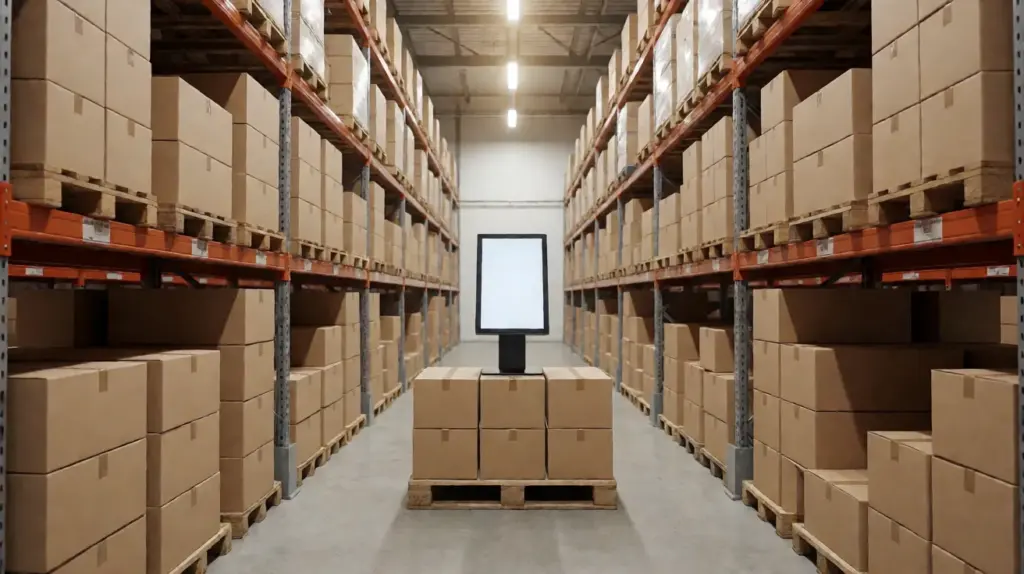
Two buyers order the same batch of touch monitors from the same factory in the same week. One pays the lower number and then spends three weeks booking freight, chasing port charges, and filing customs paperwork. The other pays more on paper and receives pallets at a loading dock without a broker on speed dial. The FOB vs DDP line on the quotation is what moved that work from one buyer to the other.
This guide covers what each term assigns to each side, how the split changes landed cost, and what to settle before you sign. It is written for buyers importing touch screen monitors, แผงพีซี, and kiosk hardware. Every TouchWo statement below points at a page on this site that you can open yourself.
A trade term is not a price. It is a list of responsibilities.
Where the Two Terms Divide
Incoterms rules are the published definitions behind these three-letter codes. ที่ Incoterms rules page from the International Chamber of Commerce describes eleven terms, first issued in 1936, with the current edition entering into force on 1 มกราคม 2020. Each rule assigns the same three things: who arranges a leg, who pays for it, and where risk passes.
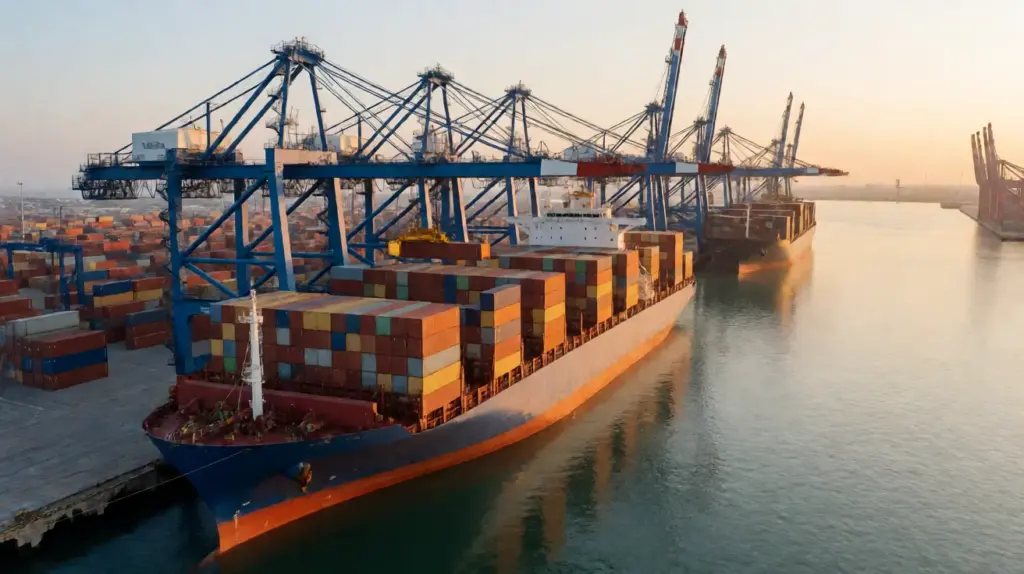
Under FOB, the seller’s job ends when the goods sit on board the vessel at the named port of shipment. Freight, insurance, destination handling, import clearance, duties, and inland delivery then belong to the buyer. Under DDP, the seller carries the goods to your named destination with import clearance done and duties paid. The buyer’s task reduces to unloading.
Those two labels sit at opposite ends of a spectrum that also holds EXW at the factory gate and CIF at the destination port. Four of the eleven rules are drafted for sea and inland waterway carriage, and FOB and CIF are two of them. A DDP line works for air, road, rail, and sea without a change of rule.
The practical consequence is that FOB vs DDP is not a discount question. It is a question about who holds the freight contract and who answers for the border. The pricing guide on this site treats the same split from the supplier side, in the article on custom touchscreen OEM pricing.
What Each Term Adds to Price
An FOB number contains the hardware, the inland move to the origin port, export clearance, and loading on board. Everything after the vessel carries its own invoice, and each of those invoices arrives later than the quotation. Ocean freight moves with the market, so a container priced in one month is not the same container priced in the next.
A DDP number folds those lines into one delivered figure. The supplier buys freight it does not own, adds a margin for that exposure, and takes the risk of a slow border. Buyers who read a high DDP line are reading a freight bill wearing a different label.
Neither term is cheaper by definition. Landed cost is the honest comparison, and landed cost means the hardware plus every charge that appears after the quotation. A supplier who cannot name the excluded lines is not offering a lower price, only a less complete one. Ask for the FOB vs DDP spread in plain currency terms, since a wide gap usually means volatile freight rather than a generous seller.
The table below shows the split line by line, which is the format to paste into a comparison sheet. Blank cells are where the argument lives later. Rows both sides answer the same way are rows where a dispute cannot start.
| Journey stage | Who pays under FOB | Who pays under DDP |
|---|---|---|
| Inland move to origin port | Seller | Seller |
| Export clearance at origin | Seller | Seller |
| Main carriage by sea, rail, or air | Buyer | Seller |
| Cargo insurance for the voyage | Buyer, if arranged | Seller |
| Destination port and handling charges | Buyer | Seller |
| Import clearance and duties | Buyer | Seller |
| Final delivery to your address | Buyer | Seller |
Risk and Control Move Together
Cost and risk transfer at the same point, and that is the part buyers skip. Under FOB the goods are the buyer’s responsibility once they sit on board, even though the buyer never saw the container. If a shipment arrives damaged, the buyer’s insurer and the carrier settle it rather than the factory. Under DDP the seller carries that exposure to your door.
Control follows the same line. FOB lets you nominate the forwarder, choose the routing, and consolidate several suppliers into one container. That freedom costs attention, since the freight calendar becomes your project plan. Buyers without a destination agent usually learn that the cheap quote was expensive work.
DDP reverses both sides of that trade. One party answers for delivery, and your team stops at the receiving dock. What disappears is visibility into the freight line, which also leaves your own cost history.
United States commercial law treats the label as a delivery term rather than a price. Section 2-319 of the Uniform Commercial Code fixes the delivery point at a named place and puts the duty to give shipping instructions on the buyer. A buyer who does not instruct on time is treated as failing to cooperate, and the delay becomes the buyer’s problem.
How Freight Mode Changes the Math
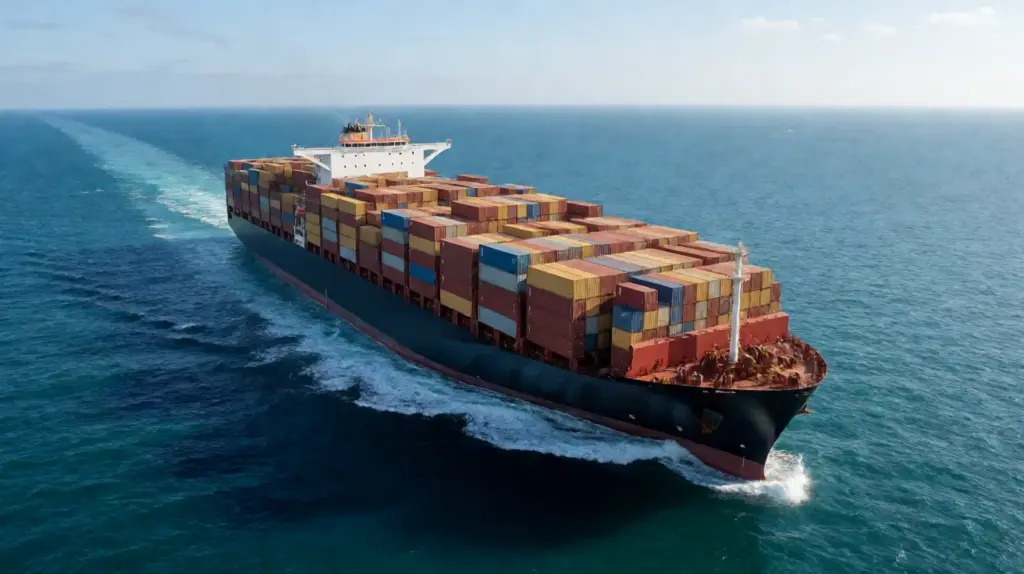
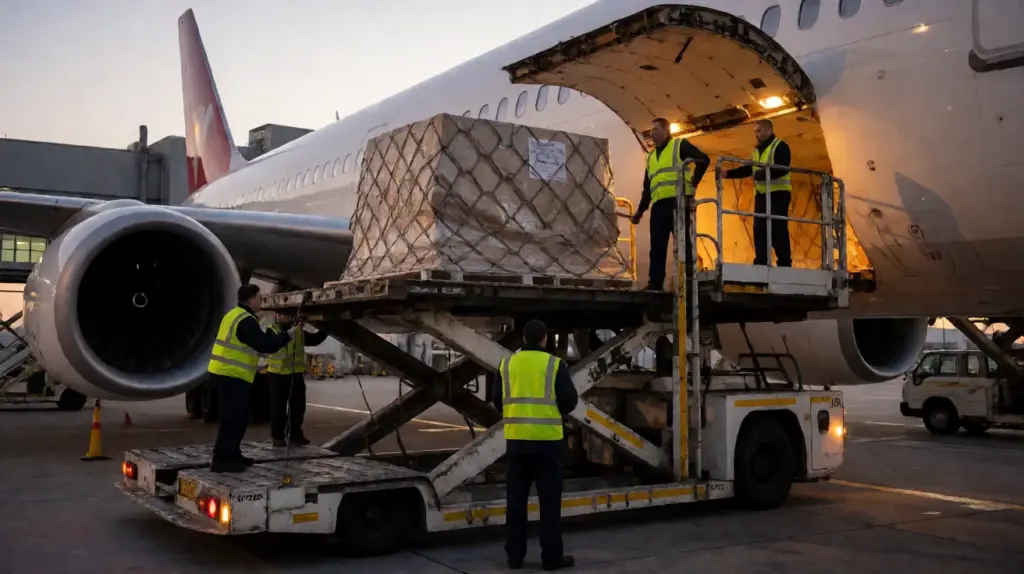
The term decides who pays, and the mode decides how heavy that line weighs. The support page on this site states that TouchWo ships by air, ริมทะเล, or by a buyer’s own shipping agent, with FedEx, DHL, ยูพีเอส, and EMS available. That answer covers both terms, since a forwarder can move goods on either basis.
Air moves a pallet in days and prices it by weight, so a small urgent order can cost more to fly than to build. Sea freight carries a container cheaply and slowly, which suits a production run with a real schedule. Both sit behind the same factory clock. The manufacturer pages here state two to five days to dispatch in-stock standard models, and about two weeks or two months for custom goods.
Duty is not a freight cost, and it does not scale with speed. Classification and origin decide it, and the customs authority at destination decides how it is assessed. Ask the supplier which commodity code the invoice declares, then confirm that code with your own broker before the goods move.
Samples travel light and fast, so most buyers accept a delivered price for them. Production orders travel by container, where the freight line is large enough to negotiate directly. The FOB vs DDP choice often changes between those two shipments inside one program.
What to Compare Before You Sign
Ask each supplier to quote both terms for the same configuration, then compare the two landed totals rather than the two headline numbers. Insist on the pair. A quote that offers only one term has already made the decision, and possibly the one that suits the seller.
Five lines settle most of the argument. Name the place where the term operates, since the delivery point is the whole meaning of the code. Ask which Incoterms edition the quote cites, and whether the delivered figure includes duties, ภาษี, and destination charges. Confirm who acts as importer of record, and who holds the insurance certificate.
Then check what sits outside the term. Product certificates travel with the hardware, while the compliance work at destination belongs to whoever the rule names. The guide to touchscreen certifications by market lists which documents a buyer needs at a border. ที่ kiosk supplier selection guide shows where those documents sit in a comparison sheet.
After-delivery obligations also sit outside the trade term. การรับประกัน, spare parts, and the return route are separate promises, และ warranty and after-sales guide explains how to read them. A delivered pallet with no spare part plan is a cost that arrives next year.
How TouchWo Ships Both Terms
The published answer on the support page is direct: goods move by air, ริมทะเล, or by your own shipping agent. That wording means a nominated forwarder is accepted, which is the arrangement most regular importers prefer. The same page states that inquiries receive a reply within seven hours.
The hardware behind the shipment is catalog stock or a built-to-order unit, และ industrial touch screen monitor range lists model level specifications to quote against. Custom work runs through the customization service page, where ten dimensions and eight steps define what changes before a price exists. Order floors differ by product class, และ one-piece MOQ guide states what a single unit means in practice.
What a buyer sends with the inquiry decides how fast the two numbers come back. ที่ supply chain guide on this site maps where each obligation transfers between the parties. ทัชโว answers the same form for either term, และ OEM/ODM process guide covers the build calendar behind a delivered date.
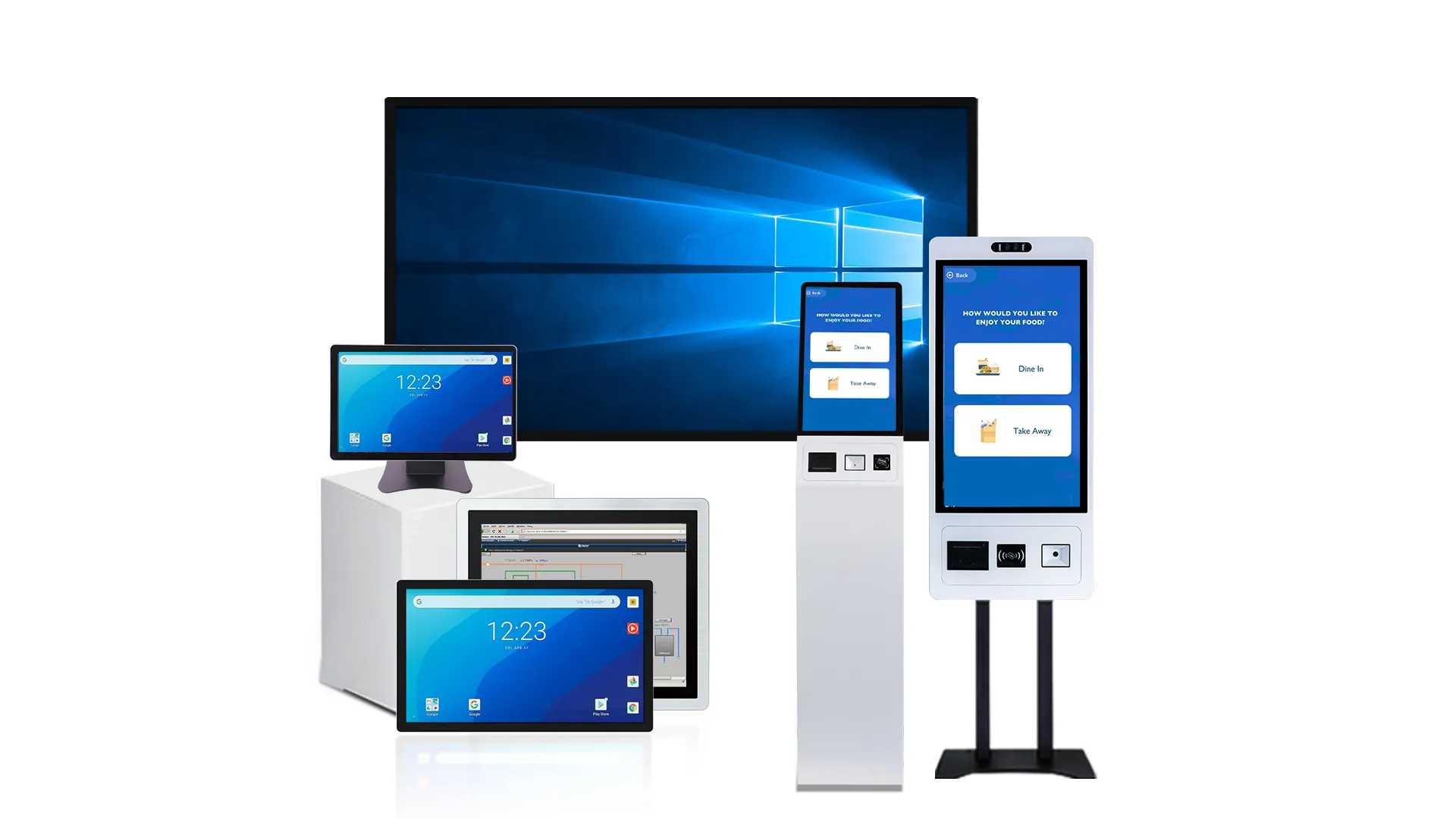
The cheapest quotation is often the one with the most blanks.
คำถามที่พบบ่อย
Is FOB always cheaper than DDP?
The FOB line is lower on paper because it stops at the origin port. Your landed total depends on freight rates, destination charges, and duty, all of which arrive on separate invoices. A buyer with a strong forwarder often lands lower on FOB, and an occasional buyer usually does not.
Can I use different terms for samples and bulk orders?
ใช่, since terms are agreed per shipment rather than per supplier relationship. A common pattern is a delivered air sample followed by a sea-freighted production order on FOB. Write the term on each purchase order so the two records never blur together.
Does a DDP quote include import duties?
Under DDP the seller clears the goods for import and pays the duties, which is what the final two letters name. Confirm in writing that duties and destination charges sit inside the figure rather than beside it. Ask who acts as importer of record, since that role signs the declaration.
What shipping documents should the factory provide?
A commercial invoice, a packing list, and the bill of lading or airway bill carry a shipment across a border. Product certificates support the compliance check at destination, and the required set depends on the market. Confirm the document list when you book, because destination rules are not uniform.
Who files a claim when a shipment arrives damaged?
The party holding the risk at the moment of damage files it, and the trade term fixes that moment. Under FOB that is usually the buyer and its insurer, since risk passed at the load port. Under DDP the seller carries the exposure all the way to your door.
ความคิดสุดท้าย
FOB vs DDP decides who runs the shipment, not who is cheaper. A trade term is a handover point drawn on a map, and every charge after that point needs an owner. Draw it deliberately and the quotation becomes a comparison. Leave it blank and the supplier draws it for you.
Ask for both numbers on the same configuration, then add your own freight, duty, and clearance costs to the lower one. That arithmetic is where the real difference lives, and it takes an afternoon rather than a week. Keep the answer with the purchase record, since the next order inherits it.
Buyers who treat shipping terms as a procurement detail rarely revisit them. The regret arrives when a container sits at a border and neither party holds the paperwork that clears it. A named place, a named edition, and a named owner for each line prevent most of the arguments in this guide.