Accurate blood pressure (BP) readings are foundational to cardiovascular care—whether in a hospital, clinic, or home environment. BP Device Màn hình cảm ứng are the vital interface that makes capturing, interpreting, and acting on these readings seamless. Unlike traditional button-operated BP devices, touch screens simplify interaction: clinicians or patients can tap to start a measurement, swipe to view history, and adjust settings with intuitive gestures. This guide explores how medical-grade touch screens elevate BP monitoring, key features that ensure accuracy and reliability, and what to consider when choosing one—empowering healthcare providers and patients to prioritize precise cardiovascular health tracking.
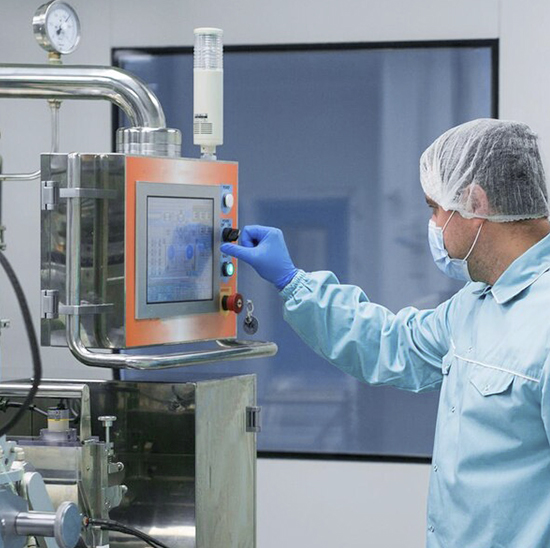
Why Medical-Grade Touch Screens Matter for BP Devices
1. Precision in Reading Capture
Calibrated touch response: Medical-grade touch screens are factory-calibrated to ensure that every tap or swipe translates to accurate device actions. Ví dụ, tapping “Start Measurement” triggers the BP cuff inflation at the exact pressure and timing needed for a precise reading, reducing human error from button mispresses.
Real-time feedback display: As the device measures systolic/diastolic pressure and pulse, the touch screen shows live data (ví dụ., a digital gauge that fills as pressure builds). This visual feedback helps users (especially patients at home) confirm the device is working correctly.
2. Enhanced User Experience for All
Intuitive navigation: Lớn, clearly labeled touch targets make it easy for aging patients or clinicians in busy ERs to operate the device. Ví dụ, a “History” button with a bold icon lets users access past readings with a single tap.
Tính năng trợ năng: Some screens offer high-contrast modes or text-to-speech for visually impaired users, ensuring BP monitoring is inclusive.
3. Tích hợp dữ liệu liền mạch
One-touch data logging: Clinicians can tap to log BP readings directly into Electronic Health Records (EHRs), eliminating manual transcription errors. At home, patients can sync data to health apps (via Bluetooth-enabled touch screens) to share with their care team.
Trend analysis tools: The touch screen can display BP trends over weeks or months as line graphs—helping identify patterns (ví dụ., “Morning hypertension”) that inform treatment adjustments.
Key Features of Medical-Grade BP Device Touch Screens
1. Durability for Clinical Use
Antimicrobial coatings: Screens have coatings (like silver ions) that inhibit bacteria, virus, and fungi growth—critical in shared clinical spaces where infection control is paramount.
Chemical resistance: Withstands frequent cleaning with hospital-grade disinfectants (ví dụ., alcohol wipes) without scratching or losing touch sensitivity.
Chống va đập: Tempered glass or rugged polymer surfaces survive drops or bumps common in busy hospitals or home environments.
2. Accuracy and Reliability
High-resolution sensing: Advanced capacitive or resistive touch technology ensures precise touch detection, so “Start” and “Stop” commands register instantly—no lag that could disrupt BP measurement timing.
Temperature stability: The screen’s performance remains consistent in varying clinical temperatures (ví dụ., cold exam rooms or warm ICUs), ensuring the device’s internal sensors (which interact with the touch screen) stay accurate.
3. Connectivity and Interoperability
Wireless capabilities: Wi-Fi or Bluetooth-enabled touch screens let devices send BP data to central monitoring systems (in hospitals) or personal health trackers (at home).
EHR integration support: Compatible with major EHR systems (ví dụ., Sử thi, cổ tử cung) via HL7 or API, so readings flow seamlessly into patient charts.
Choosing the Right BP Device Touch Screen
1. Align with Use Case
Clinical vs. home use: Dành cho bệnh viện, prioritize screens with antimicrobial coatings and EHR integration. For home use, focus on simplicity and wireless syncing to consumer health apps.
Patient population: Devices for geriatric patients might need larger touch targets and high-contrast displays, while pediatric devices could have child-friendly interfaces.
2. Evaluate Technical Specifications
Screen size and resolution: Larger screens (7–10 inch) with 720p+ resolution improve readability of BP values and trend graphs.
Battery life (for portable devices): If the BP device is battery-powered, ensure the touch screen’s power draw doesn’t shorten battery life (look for screens with low-power “sleep” modes).
Thời gian đáp ứng: A touch response time of ≤100ms ensures the device reacts instantly to user inputs during BP measurement.
3. Consider Total Cost of Ownership (TCO)
Warranty: Look for 3–5 year warranties that cover damage from normal clinical use (ví dụ., disinfectant exposure).
Support and maintenance: Choose vendors with accessible customer support (ví dụ., 24/7 phone help) and easy-to-source replacement parts.
Future-proofing: Screens with software update capabilities can gain new features (ví dụ., AI-powered BP trend predictions) theo thời gian.
Câu hỏi thường gặp About Medical-Grade BP Device Touch Screens
Q1: Can these touch screens be used in home BP monitors?
A1: Yes—many medical-grade touch screens are designed for both clinical and home use, with user-friendly interfaces for patients.
Q2: How often should the touch screen be cleaned?
A2: In clinical settings, clean after each patient use; at home, clean weekly (or after each use if multiple people share the device). Use recommended disinfectants per the manufacturer’s guidelines.
Q3: Do they work with gloves (for clinicians)?
A3: Most medical-grade touch screens support touch through latex or nitrile gloves, so clinicians can operate devices without removing PPE.
Q4: What’s the typical lifespan of a BP device touch screen?
A4: Với sự chăm sóc thích hợp, 5–7 years—longer than non-medical-grade screens, which may fail after 2–3 years due to wear or chemical damage.
Phần kết luận
Medical-grade BP Device Touch Screens transform blood pressure monitoring by combining precision, usability, and seamless data integration—critical for both clinical accuracy and patient engagement. Whether you’re outfitting a hospital unit or selecting home monitoring tools, choosing the right touch screen ensures reliable cardiovascular care.
If you need help selecting a medical-grade touch screen for your BP devices (ví dụ., matching use cases, evaluating specs, or understanding TCO), điền vào mẫu trên trang web của chúng tôi. Our healthcare technology experts will guide you to the ideal solution for accurate, efficient blood pressure tracking.