Las pantallas táctiles capacitivas se han convertido en una tecnología de interfaz central en la electrónica de consumo., paneles de control industrial, sistemas de punto de venta, y dispositivos médicos. A medida que su uso se vuelve más intensivo, una de las preguntas más frecuentes es: ¿Cuánto duran las pantallas táctiles capacitivas??
En esta guía detallada, Respondemos a las preguntas más habituales sobre la vida útil de las pantallas táctiles capacitivas., respaldado por conocimientos técnicos y consejos prácticos tanto para los diseñadores de productos como para los usuarios finales.
Q1: ¿Cuál es la vida útil típica de una pantalla táctil capacitiva??
Las pantallas táctiles capacitivas de alta calidad suelen tener una clasificación de más de 200 millones de ciclos táctiles, superando con creces la mayoría de las demandas de los usuarios. En términos de tiempo operativo, esto generalmente se traduce en 5 a 10 años de desempeño consistente, dependiendo de las condiciones de uso y la calidad de construcción. Para paneles capacitivos de grado industrial, la esperanza de vida a menudo se extiende más allá 10 años, especialmente en 24/7 entornos donde la durabilidad y la confiabilidad son de misión crítica.
Buscando pantallas de larga duración? Explora nuestra industria monitores de pantalla táctil capacitiva diseñado para entornos de alto ciclo.
Q2: ¿Qué factores influyen más en la longevidad de la pantalla táctil capacitiva??
Mientras que las pantallas táctiles capacitivas no tienen partes mecánicas móviles como las resistivas, su vida útil aún puede verse influenciada por varias variables:
- Frecuencia táctil: Uso intensivo en quioscos, HMI de fábrica, o terminales públicos acelera naturalmente el desgaste.
- Exposición ambiental: Calor, humedad, condensación, y la exposición a los rayos UV puede degradar las capas adhesivas, revestimientos, o causar fallas por descarga electrostática.
- Abrasión superficial: El arrastre repetido o una limpieza inadecuada pueden provocar microarañazos..
- Calidad de energía: Los picos de voltaje o la energía inestable pueden dañar el circuito del controlador con el tiempo..
- ESD/EMI: Los sistemas desprotegidos son más propensos a sufrir una degradación a largo plazo debido a interferencias estáticas o electromagnéticas..
Q3: ¿Cuáles son las señales de que una pantalla capacitiva está muriendo??
Las pantallas capacitivas envejecidas suelen mostrar fallos progresivos y desiguales, en lugar de un colapso total. Los indicadores comunes incluyen:
- Zonas muertas donde el tacto ya no responde
- Toques fantasma o señales de entrada falsas
- Mayor latencia o capacidad de respuesta lenta
- Artefactos visuales, como parpadeo o decoloración
- Degradación física, incluyendo grietas, papas fritas, o delaminación
Si estos síntomas aparecen constantemente, puede indicar daño al sensor interno, falla del recubrimiento, o errores a nivel de controlador. Contáctenos: ofrecemos soporte de diagnóstico y opciones de reemplazo OEM.
Q4: ¿Son las pantallas táctiles capacitivas más duraderas que las resistivas??
Sí, Las pantallas capacitivas generalmente ofrecen mayor durabilidad táctil y mejor claridad óptica que las alternativas resistivas.. Si está comparando las dos tecnologías para su aplicación, puedes leer nuestra guía detallada: Capacitivo vs.. Pantallas resistivas: cual es mejor? Fo un desglose completo de los profesionales, contras, y casos de uso.
He aquí una breve comparación:
| Característica | Pantalla capacitiva | Pantalla resistiva |
| Ciclo de vida táctil | 200+ millones de toques | 35–50 millones de toques |
| Soporte multitáctil | Sí | Limitado |
| Material de la superficie | Vaso (curtido) | Película PET o ITO |
| Método de activación | Dedo desnudo o lápiz óptico | Cualquier entrada basada en presión |
| Necesidades de mantenimiento | Bajo | Más alto |
Si bien las pantallas resistivas funcionan mejor en algunas aplicaciones resistentes, capacitiva proyectada moderna (PCAP) Las pantallas ahora vienen con sellado de grado industrial. (IP65+), vidrio resistente a los arañazos, y soporte para guantes, reduciendo esa brecha.
Q5: ¿Pueden las temperaturas extremas o la humedad acortar la vida útil??
Absolutamente. Las pantallas táctiles capacitivas son susceptibles a la entrada de humedad, expansión térmica, y corrosión inducida por la humedad, especialmente si no está sellado adecuadamente.
- Altas temperaturas puede debilitar las capas de unión y degradar la sensibilidad.
- Humedad puede causar empañamiento, cortocircuito, o delaminación.
- Condensación dentro del panel puede dañar permanentemente los electrodos o la PCB..
Cuando se opera en dichos entornos, Elija siempre paneles con clasificaciones de IP adecuadas y asegúrese de que el revestimiento conforme o la unión óptica sean parte de la solución..

Q6: ¿Con qué frecuencia debo limpiar y mantener la pantalla??
Para maximizar la vida útil y conservar la claridad.:
- Limpiar semanalmente (o diariamente en entornos de mucho tráfico) con un paño de microfibra
- Evite los limpiadores a base de amoníaco o las almohadillas abrasivas.
- Utilice alcohol isopropílico (70–90%) para desinfectar
- No rocíe limpiadores directamente sobre la pantalla; rocíelo primero sobre un paño
- Evite la humedad excesiva durante la limpieza.
Una limpieza adecuada no sólo mantiene la pantalla higiénica sino que también evita la acumulación de aceites o partículas que pueden interferir con la detección capacitiva..
Q7: ¿Pueden las actualizaciones de firmware o controladores prolongar la vida útil de la pantalla??
Sí, hasta cierto punto. Las actualizaciones de firmware suelen mejorar:
- Calibración de respuesta táctil
- Algoritmos de filtrado de ruido
- Inmunidad ESD/EMI
- Eficiencia energética
Mantener actualizados el firmware y los controladores del controlador táctil garantiza una precisión táctil óptima, reduce los toques falsos, y puede extender la vida útil funcional al prevenir fallas prematuras debido a problemas a nivel de software.
Q8: ¿Las pantallas táctiles capacitivas funcionan con guantes??
Las pantallas capacitivas estándar suelen no responder a los guantes a menos que la pantalla esté especialmente sintonizada o el guante esté diseñado para sensibilidad táctil (p.ej., tiene hilo conductor).
Sin embargo, Las pantallas táctiles capacitivas industriales a menudo admiten:
- Firmware en modo guante
- Calibración de sensibilidad personalizada
- Toque a través de vidrio grueso o revestimientos
Q9: ¿Es seguro tocar una pantalla táctil capacitiva todos los días??
Sí, Las pantallas capacitivas funcionan a voltajes y niveles de corriente extremadamente bajos., generalmente dentro de rangos de microamperios, haciéndolos completamente seguros para el uso diario y continuo.
La tecnología funciona mediante la interrupción del campo electrostático: ninguna corriente eléctrica real pasa a través del cuerpo.. Incluso en casos de uso médico y militar, Las pantallas capacitivas se consideran seguras y cumplen con los estándares de seguridad EMC/ESD..
Q10: ¿Cuándo es mejor reemplazar una pantalla que repararla??
Debería considerar el reemplazo en lugar de la reparación si:
- La pantalla tiene grietas visibles o delaminación.
- Los toques fantasma persisten a pesar de la calibración
- El controlador táctil ha fallado o se ha quemado
- Las reparaciones exceden 50% del coste de un panel nuevo
En implementaciones industriales, el tiempo de inactividad a menudo cuesta más que la propia pantalla, por lo que el reemplazo proactivo suele ser más rentable que la reparación reactiva.
Q11: Cómo elegir una pantalla táctil capacitiva con mayor vida útil?
Al seleccionar una pantalla táctil capacitiva para mayor longevidad, buscar:
- Clasificación de resistencia al tacto: >200 million touches is standard
- Clasificación de dureza: 6Vidrio templado H o 7H
- Sellado ambiental: IP65 o superior (estanco al polvo y protegido contra chorros de agua) para uso exterior/duro
- Rango de temperatura de funcionamiento: Garantizar una tolerancia de -20°C a +70°C
- Circuitos integrados de controlador confiables: Sí, lo es, LO TOMO, o se prefieren los sinápticos
- Capacidad de ajuste del firmware: Especialmente para uso con guantes o superposiciones gruesas.
Necesita ayuda para elegir la pantalla táctil capacitiva adecuada para su aplicación? Póngase en contacto con nuestro equipo técnico para obtener asesoramiento experto y recomendaciones personalizadas..
Conclusión
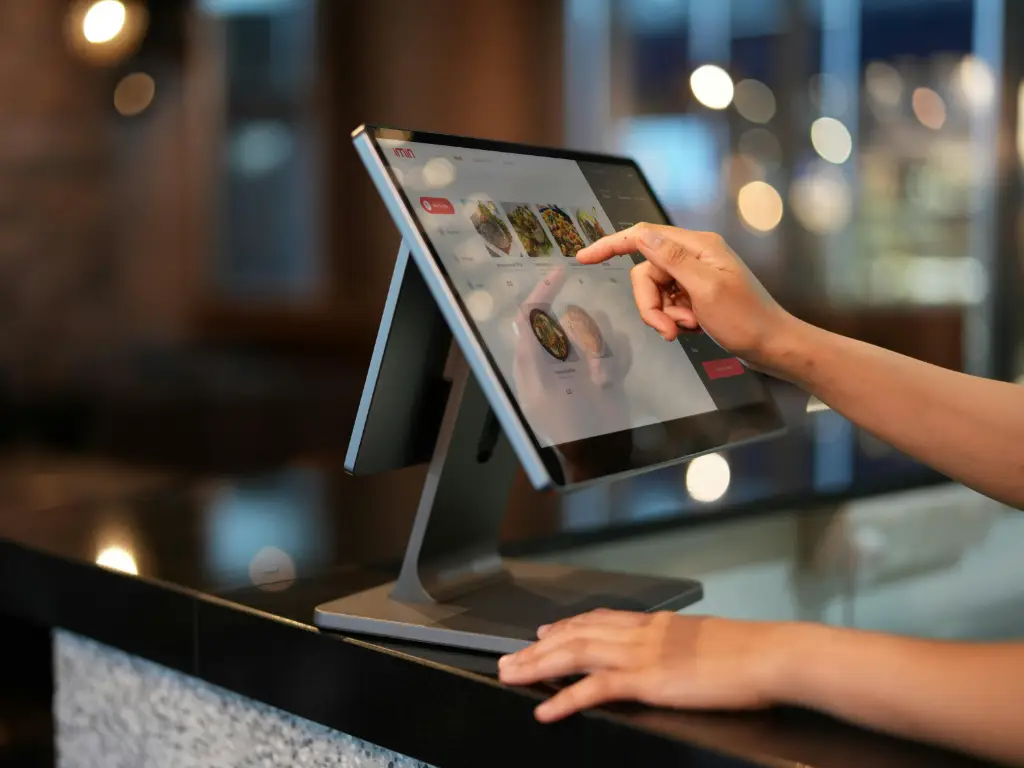
Las pantallas táctiles capacitivas son robustas, confiable, y altamente receptivo, pero como todos los fabricantes líderes como Zytronic, Enlace táctil, y AMT han establecido altos estándares en tecnología táctil capacitiva con durabilidad, sensible, y soluciones de grado industrial. En Touchwo, Estamos orgullosos de estar junto a estos nombres, brindando servicios confiables., Pantallas táctiles capacitivas de alto rendimiento en las que confían los OEM e integradores de sistemas de todo el mundo.. De tamaño personalizado (5”-110”) a gabinetes con clasificación IP65, Nuestras soluciones están diseñadas para la longevidad y la experiencia del usuario..
Buscando un socio que comprenda tanto el rendimiento como la adecuación de las aplicaciones? Póngase en contacto con nuestro equipo hoy para explorar cómo Touchwo puede impulsar su próxima innovación táctil.