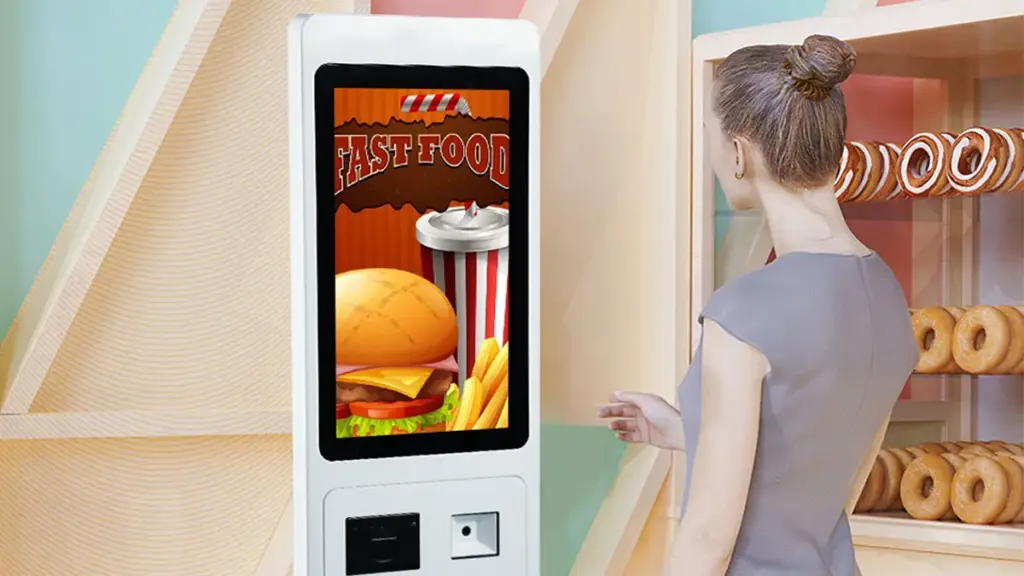
Si vous avez déjà lu une fiche technique d'ordinateur ou discuté d'équipement avec un fournisseur, vous avez probablement rencontré le panneau de mots. Il apparaît dans des phrases comme panneau d'affichage, panneau latéral, panneau de commande et écran tactile. Pourtant, chaque phrase fait référence à quelque chose de différent à l'intérieur ou autour d'un ordinateur..

Cette confusion est courante car panneau est un terme large. Dans un contexte informatique, cela peut signifier l'écran que vous regardez, le couvercle métallique sur le boîtier, les boutons sur le devant, ou la couche tactile interactive. Cet article explique les principaux types de panneaux trouvés dans les ordinateurs, ce que chacun fait, et pourquoi la distinction est importante lorsque vous choisissez un équipement.
Le panneau d'affichage
Le panneau d'affichage est la signification la plus courante du panneau dans un ordinateur..
Qu'est-ce que c'est
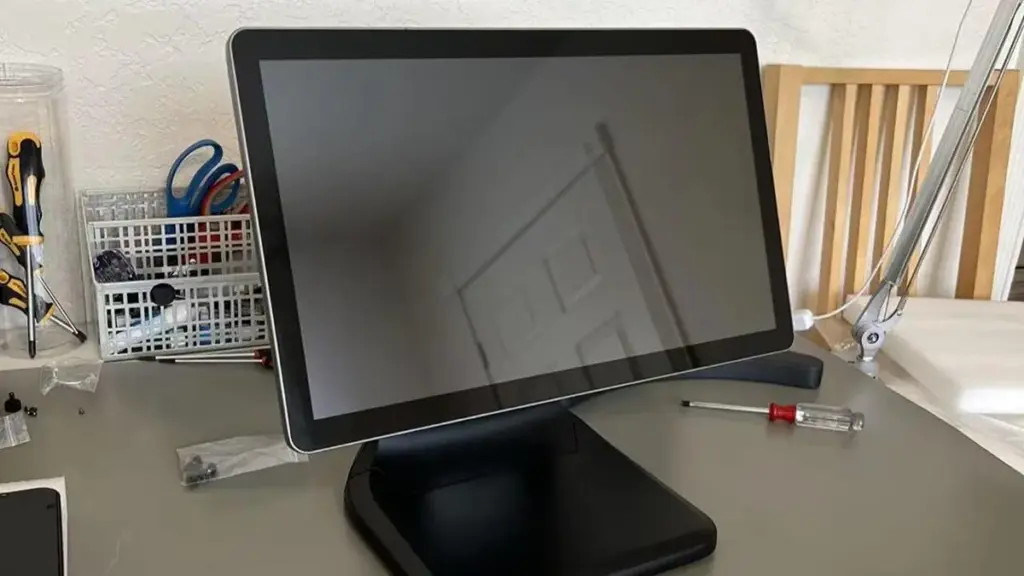
Le panneau d'affichage est la véritable couche d'écran derrière le couvercle en verre ou en plastique.. Il produit les images, texte et interfaces que vous voyez sur le moniteur. Les ordinateurs modernes utilisent des panneaux d'affichage LCD ou OLED construits à partir de nombreux petits pixels.
Pourquoi c'est important
La qualité du panneau d’affichage affecte directement la luminosité, précision des couleurs, angles de vision et consommation d'énergie. Un panneau bon marché peut paraître délavé de côté, tandis qu'un panneau de haute qualité reste clair sous plusieurs angles. Lorsque vous comparez les moniteurs, le type de panneau est l'une des spécifications les plus importantes.
Couches d'écran tactile
Sur les ordinateurs à écran tactile, un écran tactile se trouve au-dessus du panneau d'affichage. Il détecte les tapotements et les gestes. Le panneau d'affichage affiche l'image, tandis que l'écran tactile capture votre entrée. Ensemble, ils forment l'écran interactif complet.
Le panneau latéral et le panneau du châssis
Le panneau latéral est le couvercle amovible d'un boîtier d'ordinateur.
Ce que ça fait
Une tour de bureau comporte des panneaux latéraux gauche et droit qui s'enclenchent ou se vissent sur le cadre métallique. Ces panneaux entourent la carte mère, processeur, mémoire, stockage et alimentation. Ils protègent les pièces internes de la poussière, éviter tout contact accidentel et aider à diriger le flux d’air.
Pourquoi les utilisateurs le suppriment
De nombreux techniciens et amateurs retirent le panneau latéral pour nettoyer la poussière, installer un nouveau matériel ou diagnostiquer une surchauffe. Bien que pratique pour l’entretien, faire fonctionner un ordinateur sans le panneau latéral à long terme augmente la poussière et réduit la conception du flux d'air.
Conception de panneaux industriels
Dans les ordinateurs industriels, le panneau latéral est souvent scellé et fixé. Il peut utiliser des joints ou des bords scellés pour empêcher la poussière et l'humidité d'entrer.. Contrairement à une tour de bureau, un châssis industriel est conçu pour rester fermé pendant des années de fonctionnement continu.
Le panneau de commande avant
Le panneau de commande avant est l'ensemble des boutons et des ports situés à l'avant d'un ordinateur..
Ce qu'il comprend
Un panneau de commande avant typique a le bouton d'alimentation, bouton de réinitialisation, lumières d'alimentation et d'activité, Ports USB, prises audio et parfois un lecteur de disque. Dans les serveurs et ordinateurs industriels, le panneau avant peut également inclure des indicateurs d'état pour la température, vitesse du ventilateur et activité du réseau.
Son rôle dans le fonctionnement
Le panneau de commande avant est le principal point d'interaction pour le fonctionnement quotidien. Les utilisateurs appuient sur le pouvoir, branchez les périphériques et lisez les voyants d'état à partir de ce panneau. Sur les Panel PC industriels, les boutons de commande sont souvent intégrés dans le cadre inférieur de l'écran lui-même.
Le panneau de commande et le panneau HMI
En milieu industriel, le panneau fait souvent référence à une interface opérateur.
Qu'est-ce que c'est
Un panneau opérateur, également appelé IHM (Interface Homme-Machine) panneau, est un écran tactile monté sur une machine. Il permet aux travailleurs de surveiller les données de production, ajuster les paramètres et recevoir des alarmes. C'est le centre de contrôle visuel des équipements industriels.
En quoi il diffère d'un moniteur
Un moniteur ordinaire affiche uniquement la sortie d'un ordinateur séparé. Un panneau HMI combine l'affichage, saisie tactile et souvent l'ordinateur de contrôle en une seule unité. Il est robuste pour survivre à la poussière d'usine, vibrations et changements de température.
Le Panel PC
Lorsque le panneau de commande comprend un ordinateur complet à l'intérieur, c'est ce qu'on appelle un Panel PC. Cet appareil industriel tout-en-un se monte directement sur le mur d'une machine ou d'une armoire.. Cela supprime le besoin d’une tour et d’un moniteur séparés.
Pourquoi comprendre les panneaux vous aide à choisir l'équipement
Savoir de quel panneau parle quelqu'un évite des malentendus coûteux.
Évitez les mauvais achats
Si un fournisseur vous pose des questions sur vos besoins en panneaux d'affichage, ils veulent dire la qualité de l'écran. S'ils vous posent des questions sur votre panneau latéral, ils veulent dire la protection du châssis. Les mélanger peut conduire à acheter des spécifications erronées.
Adaptez le panneau à l’environnement
Un ordinateur de bureau à domicile utilise des, panneaux latéraux amovibles. Un PC à panneau de sol d'usine utilise des, panneaux renforcés. Faire correspondre le type de panneau à votre environnement de travail garantit la durabilité de l'équipement.
Planifier l'entretien
Un panneau latéral du bureau s'ouvre en quelques secondes. Un Panel PC industriel peut nécessiter des outils et un démontage soigneux. Connaître cette différence vous aide à planifier la maintenance et les pièces de rechange à l'avance.
FAQ sur les panneaux dans les ordinateurs
T1: Que signifie le panneau dans un ordinateur?
A1: Cela peut signifier plusieurs choses: la couche d'écran d'affichage, le couvercle latéral amovible du boîtier, les boutons et ports de commande avant, ou un panneau de commande industriel à écran tactile. Le contexte vous indique de quoi il s'agit.
T2: Un panneau est-il la même chose qu'un moniteur?
A2: Pas exactement. Un moniteur est l’ensemble du dispositif d’affichage. Le panneau d'affichage est la couche d'écran à l'intérieur. Un panneau industriel peut être un ordinateur tout-en-un complet avec un écran tactile.
T3: Puis-je faire fonctionner un ordinateur sans panneau latéral?
A3: Vous pouvez l'exécuter temporairement, mais ce n'est pas recommandé à long terme. Sans le panneau latéral, la poussière s'accumule plus rapidement, le flux d’air est perturbé et les risques pour la sécurité augmentent.
Qu'est-ce qu'un Panel PC?
Un Panel PC est un ordinateur industriel tout-en-un doté d'un écran tactile intégré dans un boîtier robuste.. Il se monte directement sur les machines, murs ou armoires de commande pour usage industriel et public.
Comment puis-je savoir de quel type de panneau mon projet a besoin?
A5: Pensez à votre environnement de travail, si vous avez besoin d'une saisie tactile, et comment l'appareil sera monté. Un fournisseur professionnel peut vous aider à adapter le type de panneau approprié à votre application spécifique.
Conclusion
En bref, le panneau de mots dans un ordinateur couvre plusieurs parties clés: le panneau d'affichage que vous regardez, le panneau latéral qui protège le châssis, le panneau de commande avant avec boutons et ports, et le panneau de commande industriel qui contrôle les machines. Chaque type sert un objectif différent, et comprendre la différence vous aide à choisir le bon équipement.
Si vous envisagez un projet industriel ou commercial et avez besoin de conseils sur les panneaux d'affichage, boîtiers robustes ou Panel PC, veuillez remplir le formulaire de demande sur notre site officiel. Partagez votre environnement de travail, besoins de montage et exigences interactives, et notre équipe vous recommandera la solution de panneaux adaptée à votre projet.