Nếu bạn đã từng đọc bảng thông số kỹ thuật máy tính hoặc thảo luận về thiết bị với nhà cung cấp, you have probably met the word panel. It appears in phrases like display panel, side panel, control panel and touch panel. Yet each phrase refers to something different inside or around a computer.

This confusion is common because panel is a broad term. In a computer context, it can mean the screen you look at, the metal cover on the case, the buttons on the front, or the interactive touch layer. This article explains the main types of panels found in computers, what each one does, and why the distinction matters when you choose equipment.
The Display Panel
The display panel is the most common meaning of panel in a computer.
What it is
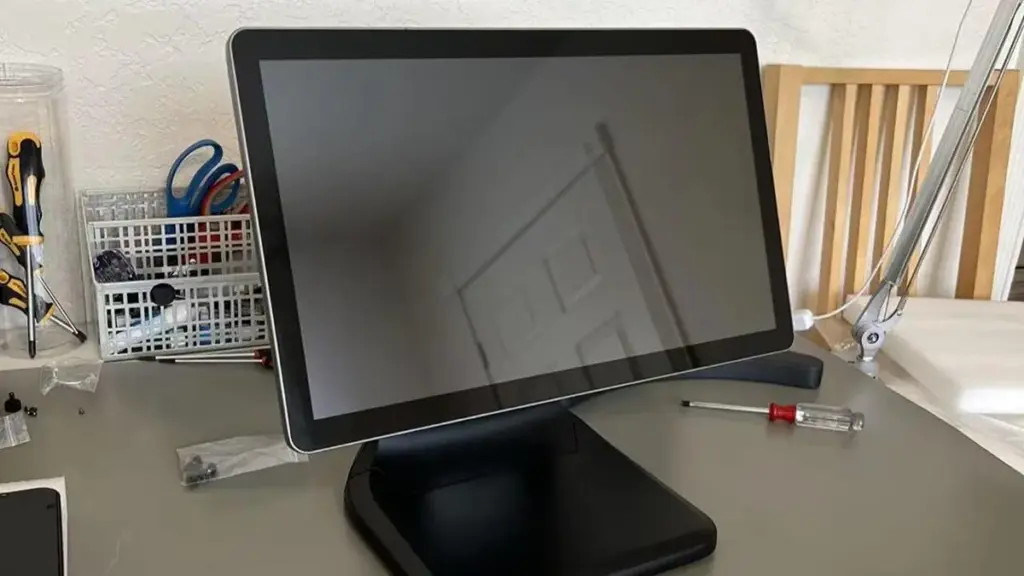
The display panel is the actual screen layer behind the glass or plastic cover. It produces the images, text and interfaces you see on the monitor. Modern computers use LCD or OLED display panels built from many tiny pixels.
Why it matters
Display panel quality directly affects brightness, độ chính xác màu sắc, viewing angles and power consumption. A cheap panel may look washed out from the side, while a high-quality panel stays clear from multiple angles. When you compare monitors, the panel type is one of the most important specs.
Touch panel layers
On touchscreen computers, a touch panel sits on top of the display panel. It detects taps and gestures. The display panel shows the image, while the touch panel captures your input. Together they form the complete interactive screen.
The Side Panel and Chassis Panel
The side panel is the removable cover on a computer case.
What it does
A desktop tower has left and right side panels that snap or screw onto the metal frame. These panels enclose the motherboard, processor, memory, storage and power supply. They protect internal parts from dust, prevent accidental contact and help direct airflow.
Why users remove it
Many technicians and hobbyists remove the side panel to clean dust, install new hardware or diagnose overheating. While convenient for maintenance, running a computer without the side panel long-term increases dust and reduces airflow design.
Industrial panel design
In industrial computers, the side panel is often sealed and fixed. It may use gaskets or sealed edges to keep out dust and moisture. Unlike a desktop tower, an industrial chassis is designed to stay closed for years of continuous operation.
The Front Control Panel
The front control panel is the set of buttons and ports on the front of a computer.
What it includes
A typical front control panel has the power button, reset button, power and activity lights, USB ports, audio jacks and sometimes a disk drive. In servers and industrial computers, the front panel may also include status indicators for temperature, fan speed and network activity.
Its role in operation
The front control panel is the main point of interaction for daily operation. Users press power, plug in peripherals and read status lights from this panel. On industrial panel PCs, the control buttons are often integrated into the bottom bezel of the screen itself.
The Operator Panel and HMI Panel
Trong môi trường công nghiệp, panel often refers to an operator interface.
What it is
An operator panel, also called an HMI (Giao diện người-máy) bảng điều khiển, is a touchscreen display mounted on a machine. It lets workers monitor production data, adjust settings and receive alarms. It is the visual control center of industrial equipment.
How it differs from a monitor
A regular monitor only displays output from a separate computer. An HMI panel combines the display, touch input and often the control computer into one unit. It is ruggedized to survive factory dust, vibration and temperature changes.
The panel PC
When the operator panel includes a full computer inside, it is called a panel PC. This all-in-one industrial device mounts directly onto a machine or cabinet wall. It removes the need for a separate tower and monitor.
Why Understanding Panels Helps You Choose Equipment
Knowing which panel someone means prevents costly misunderstandings.
Avoid wrong purchases
If a supplier asks about your display panel needs, they mean the screen quality. If they ask about your side panel, they mean chassis protection. Mixing these up can lead to buying the wrong specification.
Match the panel to the environment
A home office desktop uses thin, removable side panels. A factory floor panel PC uses sealed, ruggedized panels. Matching the panel type to your working environment ensures the equipment lasts.
Plan for maintenance
A desktop side panel opens in seconds. An industrial panel PC may require tools and careful disassembly. Knowing this difference helps you plan maintenance and spare parts in advance.
FAQs About Panels in Computers
Q1: What does panel mean in a computer?
A1: It can mean several things: the display screen layer, the removable side cover of the case, the front control buttons and ports, or an industrial touchscreen operator panel. Context tells you which one is meant.
Q2: Is a panel the same as a monitor?
A2: Not exactly. A monitor is the whole display device. The display panel is the screen layer inside it. An industrial panel may be a complete all-in-one computer with a touchscreen.
Q3: Can I run a computer without a side panel?
A3: You can run it temporarily, but it is not recommended long-term. Without the side panel, dust builds up faster, airflow is disrupted and safety risks increase.
What is a panel PC?
A panel PC is an all-in-one industrial computer with a touchscreen display built into a rugged enclosure. It mounts directly on machinery, walls or control cabinets for factory and public use.
How do I know which panel type my project needs?
A5: Think about your working environment, whether you need touch input, and how the device will be mounted. A professional supplier can help match the right panel type to your specific application.
Phần kết luận
Tóm lại, the word panel in a computer covers several key parts: the display panel you look at, the side panel that protects the chassis, the front control panel with buttons and ports, and the industrial operator panel that controls machines. Each type serves a different purpose, and understanding the difference helps you choose the right equipment.
If you are planning an industrial or commercial project and need advice on display panels, rugged enclosures or panel PCs, vui lòng điền vào mẫu yêu cầu trên trang web chính thức của chúng tôi. Share your working environment, mounting needs and interactive requirements, and our team will recommend the right panel solution for your project.