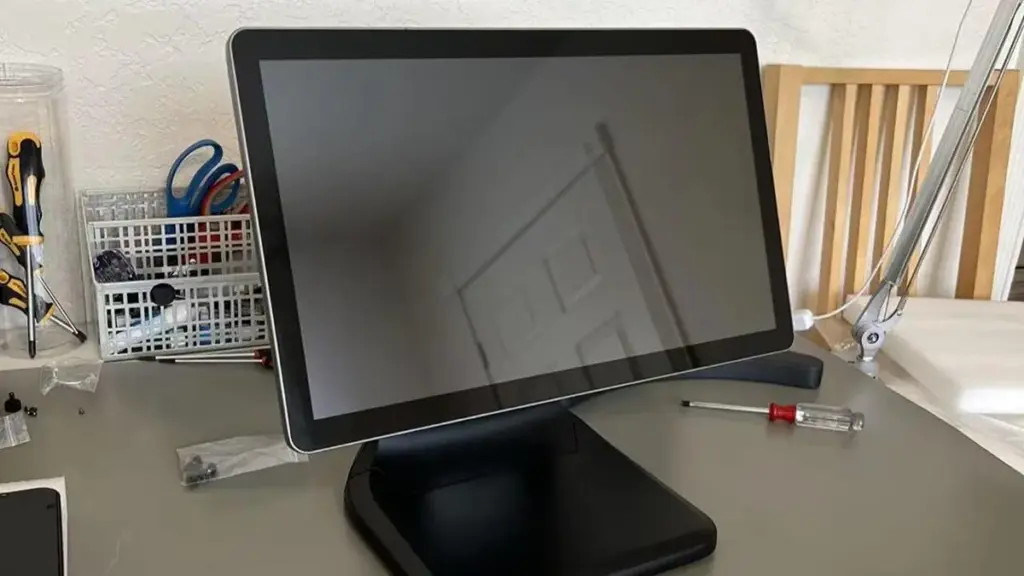
Un PC all-in-one combina l'host del computer, schermo di visualizzazione e spesso un'interfaccia touch in un'unica unità compatta. Sostituisce la tradizionale configurazione di una torre separata, monitor e tastiera. Per scrivanie da ufficio, chioschi di vendita al dettaglio e sale di controllo industriali, questo design salvaspazio sembra pulito e moderno.
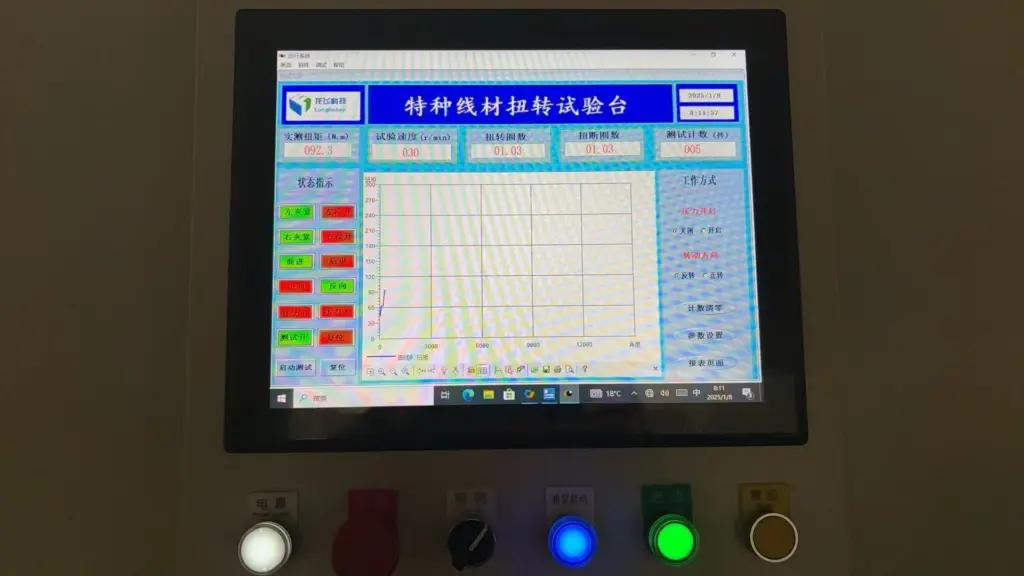
Comunque, molti acquirenti esitano prima dell'acquisto. Si chiedono se il design integrato apporta un reale valore a lungo termine o semplicemente baratta la flessibilità con l'aspetto. La risposta dipende dallo scenario di utilizzo, ambiente di lavoro e future esigenze di espansione. Questo articolo valuta i principali vantaggi e svantaggi di un PC all-in-one e spiega quando vale la pena acquistarlo.
Perché vale la pena acquistare un PC all-in-one
Un PC all-in-one offre numerosi vantaggi evidenti che lo rendono una scelta intelligente per molti progetti.
Risparmia spazio prezioso sulla scrivania o nell'armadio
Il più grande vantaggio di un PC all-in-one è il suo ingombro compatto. Elimina la torre del computer separata che normalmente si trova sotto o accanto a una scrivania. Per piccoli uffici, pannelli di controllo di fabbrica affollati e interni stretti di chioschi, questo risparmio di spazio è significativo. Guadagni più spazio per i documenti, attrezzature o interazione con il cliente.
Riduce l'ingombro dei cavi
Una configurazione desktop tradizionale richiede cavi tra la torre, monitorare, tastiera e mouse. Un PC all-in-one integra la maggior parte dei componenti all'interno del corpo del display. Ciò significa meno cavi da gestire, inciampare o disconnettersi. L'aspetto più pulito facilita anche la manutenzione e la pulizia quotidiana.
Semplifica l'installazione e la distribuzione
La configurazione di un PC all-in-one richiede solo pochi minuti. Tu monti l'unità, collegare l'alimentazione e la rete, e sei pronto per lavorare. Non è necessario assemblare componenti interni o instradare più cavi. Per implementazioni commerciali che prevedono il lancio di decine di unità, questa semplicità consente di risparmiare notevolmente tempo di installazione.
Offre prestazioni tutto in uno stabili
I modelli di PC all-in-one di qualità utilizzano componenti interni abbinati progettati per funzionare insieme. Il processore, memoria, il sistema di stoccaggio e raffreddamento è progettato come un unico sistema integrato. Questo design abbinato spesso offre prestazioni più stabili a lungo termine rispetto alla combinazione di parti acquistate separatamente.
Adatto per l'interazione tattile
Molti modelli di PC all-in-one includono un touch screen integrato come standard o come opzione. Ciò li rende ideali per i chioschi self-service, sistemi di ordinazione per ristoranti e pannelli di controllo industriali. Gli utenti interagiscono direttamente con lo schermo senza bisogno di un monitor touch separato.
Quando un PC all-in-one potrebbe non valere la pena
Nonostante i suoi benefici, un PC all-in-one non è la scelta migliore per ogni situazione. Considera questi inconvenienti prima di acquistare.
Opzioni di aggiornamento future limitate
Un desktop tower tradizionale ti consente di aggiungere più memoria, scambiare la memoria o aggiornare la scheda grafica in un secondo momento. Un PC tutto in uno, per contrasto, integra i componenti strettamente in un involucro compatto. L'aggiornamento della memoria o dell'archiviazione è spesso difficile, e gli aggiornamenti grafici sono generalmente impossibili. Se prevedi di aggiornare l'hardware nel tempo, una torre tradizionale potrebbe essere la scelta migliore a lungo termine.
Le riparazioni possono essere più complesse
Quando un componente si guasta all'interno di un PC all-in-one, per accedervi è necessario aprire il contenitore integrato. Questo è più complesso della sostituzione di una parte in una torre standard. Per implementazioni industriali, ciò potrebbe significare tempi di inattività più lunghi durante le riparazioni. Diventa particolarmente importante scegliere un marchio affidabile con un buon supporto post-vendita.
Non è l'ideale per esigenze di prestazioni elevate estreme
Se il tuo lavoro richiede prestazioni grafiche di alto livello, rendering 3D pesante o elaborazione continua ad alto carico, un PC all-in-one potrebbe non fornire energia sufficiente. La maggior parte dei modelli all-in-one utilizza processori ad alta efficienza energetica progettati per stabilità e funzionamento silenzioso, non il massimo delle prestazioni. Tali carichi di lavoro richiedono solitamente un desktop tower con un potente sistema di raffreddamento e grafica espandibile.
Scenari in cui vale sicuramente la pena acquistare un PC all-in-one
Per i seguenti scenari, un PC all-in-one offre un valore chiaro e duraturo.
Uso ufficio e sala riunioni
Per lavori d'ufficio generali, e-mail, editing di documenti e videoconferenze, un PC all-in-one è una scelta eccellente. Il suo design sottile si adatta alle scrivanie moderne, e offre prestazioni sufficienti per le attività di produttività quotidiana. Crea anche un ambiente pulito, look professionale per aree reception e sale riunioni.
Chioschi self-service commerciali
Per i chioschi di ordinazione al dettaglio, terminali informativi e biglietterie automatiche, un PC all-in-one è la scelta naturale. Il touch screen integrato e il corpo compatto si adattano perfettamente agli involucri dei chioschi. La configurazione semplificata del cavo riduce inoltre i punti di guasto nei luoghi pubblici ad alto traffico.
Controllo e monitoraggio di macchine industriali
Negli stabilimenti e nelle sale di controllo, spesso vale la pena investire in un PC all-in-one di livello industriale. Il suo recinto sigillato, il raffreddamento senza ventola e il fattore di forma compatto si adattano ai pannelli delle macchine e agli armadi di controllo. Fornisce stabilità, 24/7 funzionamento senza occupare spazio in eccesso.
Terminali sanitari e di servizio pubblico
Ospedali, le cliniche e i centri di servizi governativi traggono vantaggio dai modelli di PC all-in-one. Sono puliti, il design igienico e l'interfaccia touch si adattano al check-in del paziente, attività di registrazione e richiesta di informazioni. La mancanza di cavi esposti supporta anche standard ambientali più puliti.
Scenari in cui dovresti pensarci due volte
Per queste situazioni, un PC all-in-one potrebbe non essere il miglior rapporto qualità-prezzo.
Utenti che si aspettano frequenti aggiornamenti hardware
Se prevedi di aggiornare i componenti ogni anno o due, un PC all-in-one ti frustrerà. La sua espandibilità limitata significa che potrebbe essere necessario sostituire l'intera unità invece di scambiare una parte.
Carichi di lavoro a prestazioni estremamente elevate
Per giochi pesanti, 3disegno D, editing video o calcolo scientifico, un desktop tower tradizionale offre prestazioni e raffreddamento migliori. Un PC all-in-one non può eguagliare il margine termico e la capacità grafica di un tower di dimensioni standard.
Ambienti esterni estremamente difficili
Mentre i PC industriali all-in-one gestiscono molte condizioni di fabbrica, l'implementazione esterna estrema può richiedere una soluzione completamente rinforzata. Prima di acquistare, conferma se il grado di protezione del modello corrisponde alla tua specifica esposizione esterna.
Come assicurarti che valga la pena acquistare il tuo PC all-in-one
Segui questi suggerimenti pratici per massimizzare il valore del tuo investimento nel PC all-in-one.
Scegli la qualità giusta per il tuo ambiente
Non acquistare un PC all-in-one di livello consumer per la distribuzione in fabbrica o pubblica. Allo stesso modo, non spendere troppo per un modello di livello industriale per una semplice scrivania da ufficio. Corrisponde alla qualità costruttiva, livello di raffreddamento e protezione al vostro reale ambiente di lavoro.
Acquista prestazioni sufficienti per le esigenze future
Perché gli aggiornamenti sono limitati, scegli un processore, configurazione di memoria e storage in grado di coprire le vostre esigenze per i prossimi tre-cinque anni. Acquistare troppo poco adesso potrebbe forzare una sostituzione anticipata.
Controlla il supporto post-vendita e la garanzia
Poiché le riparazioni sono più complesse, scegli un marchio che offra termini di garanzia chiari e supporto tecnico reattivo. Una garanzia più lunga e una disponibilità affidabile dei pezzi di ricambio migliorano direttamente il valore a lungo termine.
Conferma le interfacce richieste prima dell'acquisto
Assicurati che il PC all-in-one includa le porte necessarie per le stampanti, scanner, sensori o dispositivi di rete. Il successivo aggiornamento degli adattatori aumenta i costi e riduce la pulizia, aspetto integrato.
Domande frequenti sull'acquisto di un PC all-in-one
Q1: Un PC all-in-one è migliore di un desktop tradizionale?
A1: Dipende dalle tue esigenze. Un PC all-in-one consente di risparmiare spazio e semplifica i cavi, mentre un desktop tradizionale offre aggiornamenti più semplici e prestazioni più elevate. Scegli in base alle tue priorità.
Q2: Posso aggiornare un PC all-in-one in un secondo momento?
A2: La maggior parte dei modelli di PC all-in-one consente aggiornamenti limitati di memoria o spazio di archiviazione. Tuttavia, gli aggiornamenti della grafica e del processore solitamente non sono possibili. Controlla le opzioni di aggiornamento del modello specifico prima dell'acquisto.
Q3: Quanto dura un buon PC all-in-one?
A3: Un PC all-in-one di qualità con un uso e una manutenzione adeguati in genere funziona in modo affidabile per diversi anni. I modelli di livello industriale spesso durano più a lungo grazie al design sigillato e ai componenti di livello industriale.
Q4: È un PC all-in-one adatto all'uso industriale?
A4: SÌ, ma devi scegliere un PC all-in-one di livello industriale. I modelli consumer non sono progettati per il funzionamento 24 ore su 24, polvere o vibrazioni. I modelli industriali offrono raffreddamento senza ventola e involucri sigillati.
Q5: Cosa dovrei considerare prima di acquistare un PC all-in-one?
A5: Considera il tuo ambiente di lavoro, esigenze prestazionali, interfacce richieste, futuri piani di aggiornamento e supporto post-vendita. Abbinare questi fattori al modello giusto garantisce che ne valga la pena.
Conclusione
In sintesi, vale la pena acquistare un PC all-in-one per il lavoro d'ufficio, chioschi commerciali, terminali di controllo industriale e di servizio pubblico. Risparmia spazio, riduce i cavi, semplifica l'implementazione e offre prestazioni integrate stabili. Tuttavia, potrebbe non valerne la pena se prevedi frequenti aggiornamenti hardware, necessitano delle massime prestazioni grafiche o funzionano in condizioni esterne estremamente difficili. La chiave è abbinare il grado e la configurazione corretti al tuo scenario di utilizzo effettivo.
Se stai decidendo se un PC all-in-one è adatto al tuo progetto e desideri una consulenza professionale sulla giusta configurazione, si prega di compilare il modulo di richiesta sul nostro sito ufficiale. Condividi il tuo ambiente di utilizzo, esigenze prestazionali e interfacce richieste, e il nostro team ti aiuterà a scegliere la soluzione PC all-in-one più adatta.