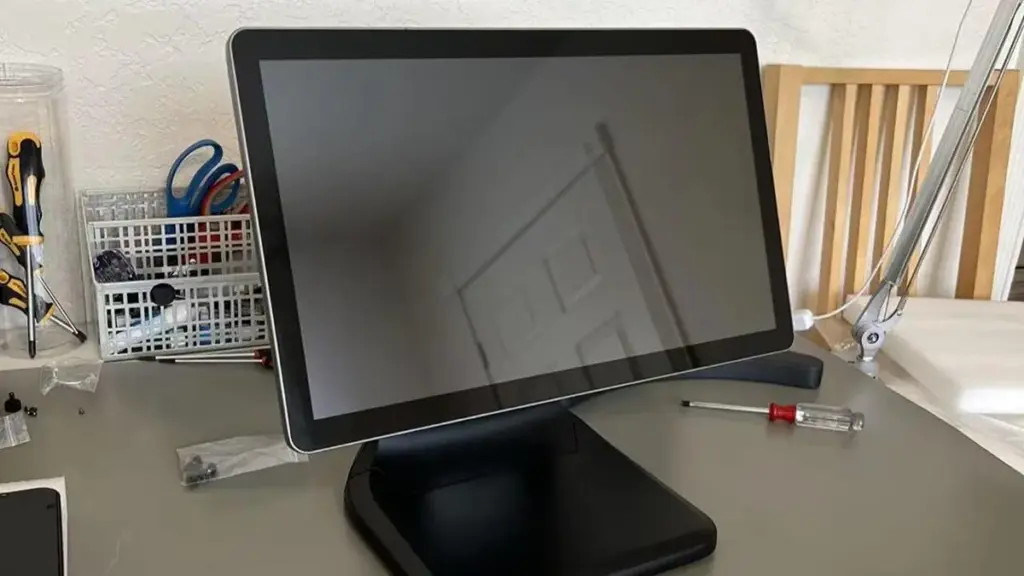
Komputer PC typu „wszystko w jednym” łączy w sobie hosta komputera, display screen and often a touch interface into one compact unit. It replaces the traditional setup of a separate tower, monitor and keyboard. For office desks, retail kiosks and industrial control rooms, this space-saving design looks clean and modern.
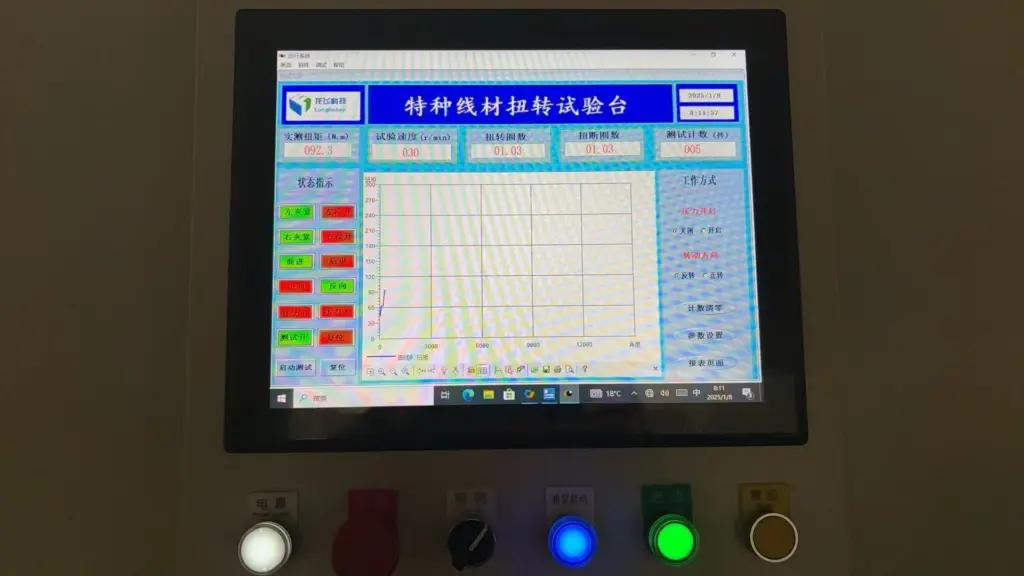
Mimo tego, many buyers hesitate before purchasing. They wonder whether the integrated design brings real long-term value or simply trades flexibility for looks. The answer depends on your usage scenario, working environment and future expansion needs. This article weighs the key advantages and drawbacks of an all-in-one PC and explains when it is worth buying.
Why an All-in-one PC Is Worth Buying
An all-in-one PC offers several clear benefits that make it a smart choice for many projects.
Saves valuable desk or cabinet space
The biggest advantage of an all-in-one PC is its compact footprint. It eliminates the separate computer tower that normally sits under or beside a desk. For small offices, crowded factory control panels and narrow kiosk interiors, this space saving is significant. You gain more room for documents, equipment or customer interaction.
Reduces cable clutter
A traditional desktop setup requires cables between the tower, monitor, keyboard and mouse. An all-in-one PC integrates most components inside the display body. This means fewer cables to manage, trip over or disconnect. The cleaner look also makes maintenance and daily cleaning easier.
Simplifies installation and deployment
Setting up an all-in-one PC takes only minutes. You mount the unit, connect power and network, and you are ready to work. There is no need to assemble internal components or route multiple cables. For commercial deployments that roll out dozens of units, this simplicity saves significant installation time.
Offers stable all-in-one performance
Quality all-in-one PC models use matched internal components designed to work together. The processor, pamięć, storage and cooling system are engineered as one integrated system. This matched design often delivers more stable long-term performance than combining separately purchased parts.
Suitable for touch interaction
Many all-in-one PC models include a built-in touch screen as standard or as an option. This makes them ideal for self-service kiosks, restaurant ordering systems and industrial control panels. Users interact directly with the screen without needing a separate touch monitor.
When an All-in-one PC May Not Be Worth It
Despite its benefits, an all-in-one PC is not the best choice for every situation. Consider these drawbacks before buying.
Limited future upgrade options
A traditional desktop tower lets you add more memory, swap storage or upgrade the graphics card later. An all-in-one PC, by contrast, integrates components tightly into a compact enclosure. Upgrading memory or storage is often difficult, and graphics upgrades are usually impossible. If you expect to upgrade hardware over time, a traditional tower may be the better long-term choice.
Repairs can be more complex
When a component fails inside an all-in-one PC, accessing it requires opening the integrated enclosure. This is more complex than replacing a part in a standard tower. For industrial deployments, this may mean longer downtime during repairs. Choosing a reliable brand with good after-sales support becomes especially important.
Not ideal for extreme high-performance needs
If your work demands top-tier graphics performance, heavy 3D rendering or continuous high-load processing, an all-in-one PC may not deliver enough power. Most all-in-one models use energy-efficient processors designed for stability and quiet operation, not maximum performance. Such workloads usually require a desktop tower with strong cooling and expandable graphics.
Scenarios Where an All-in-one PC Is Definitely Worth Buying
For the following scenarios, an all-in-one PC delivers clear and lasting value.
Office and meeting room use
For general office work, email, document editing and video conferencing, an all-in-one PC is an excellent choice. Its slim design fits modern desks, and it delivers enough performance for daily productivity tasks. It also creates a clean, professional look for reception areas and meeting rooms.
Commercial self-service kiosks
For retail ordering kiosks, information terminals and ticketing machines, an all-in-one PC is the natural choice. Its integrated touch screen and compact body fit perfectly inside kiosk enclosures. The simplified cable setup also reduces failure points in high-traffic public locations.
Industrial machine control and monitoring
On factory floors and in control rooms, an industrial-grade all-in-one PC is often worth the investment. Its sealed enclosure, fanless cooling and compact form factor fit machine panels and control cabinets. It provides stable, 24/7 operation without taking up excess space.
Healthcare and public service terminals
Szpitale, clinics and government service centers benefit from all-in-one PC models. Their clean, hygienic design and touch interface suit patient check-in, registration and information query tasks. The lack of exposed cables also supports cleaner environment standards.
Scenarios Where You Should Think Twice
For these situations, an all-in-one PC may not be the best value.
Users who expect frequent hardware upgrades
If you plan to upgrade components every year or two, an all-in-one PC will frustrate you. Its limited expandability means you may need to replace the entire unit instead of swapping one part.
Extremely high-performance workloads
For heavy gaming, 3D design, video editing or scientific computing, a traditional desktop tower offers better performance and cooling. An all-in-one PC cannot match the thermal headroom and graphics capacity of a full-size tower.
Extremely harsh outdoor environments
While industrial all-in-one PCs handle many factory conditions, extreme outdoor deployment may require a fully ruggedized solution. Before buying, confirm whether the model’s protection rating matches your specific outdoor exposure.
How to Make Sure Your All-in-one PC Purchase Is Worth It
Follow these practical tips to maximize the value of your all-in-one PC investment.
Choose the right grade for your environment
Do not buy a consumer-grade all-in-one PC for factory or public deployment. Similarly, do not overspend on an industrial-grade model for a simple office desk. Match the build quality, cooling and protection level to your actual working environment.
Buy enough performance for future needs
Because upgrades are limited, choose a processor, memory and storage configuration that covers your needs for the next three to five years. Buying too little now may force early replacement.
Check after-sales support and warranty
Since repairs are more complex, pick a brand that offers clear warranty terms and responsive technical support. A longer warranty and reliable spare parts availability directly improve long-term value.
Confirm required interfaces before purchase
Make sure the all-in-one PC includes the ports you need for printers, skanery, sensors or network devices. Retrofitting adapters later adds cost and reduces the neat, integrated look.
FAQs About Buying an All-in-one PC
Pytanie 1: Is an all-in-one PC better than a traditional desktop?
A1: It depends on your needs. An all-in-one PC saves space and simplifies cables, while a traditional desktop offers easier upgrades and stronger performance. Choose based on your priorities.
Pytanie 2: Can I upgrade an all-in-one PC later?
A2: Most all-in-one PC models allow limited memory or storage upgrades. Jednakże, graphics and processor upgrades are usually not possible. Check the specific model’s upgrade options before buying.
Pytanie 3: How long does a good all-in-one PC last?
A3: A quality all-in-one PC with proper use and maintenance typically serves reliably for several years. Industrial-grade models often last longer due to their sealed design and industrial-grade components.
Pytanie 4: Is an all-in-one PC suitable for industrial use?
A4: Tak, but you must choose an industrial-grade all-in-one PC. Consumer models are not designed for 24-hour operation, dust or vibration. Industrial models offer fanless cooling and sealed enclosures.
Pytanie 5: What should I consider before buying an all-in-one PC?
A5: Consider your working environment, performance needs, required interfaces, future upgrade plans and after-sales support. Matching these factors to the right model ensures your purchase is worth it.
Wniosek
Podsumowując, an all-in-one PC is worth buying for office work, commercial kiosks, industrial control and public service terminals. It saves space, reduces cables, simplifies deployment and offers stable integrated performance. Jednakże, it may not be worth it if you expect frequent hardware upgrades, need maximum graphics performance or operate in extremely harsh outdoor conditions. The key is to match the right grade and configuration to your actual usage scenario.
If you are deciding whether an all-in-one PC fits your project and want professional advice on the right configuration, prosimy o wypełnienie formularza zapytania na naszej oficjalnej stronie internetowej. Share your usage environment, performance needs and required interfaces, and our team will help you choose the most suitable all-in-one PC solution.