ຂ້າມໄປຫາເນື້ອໃນ

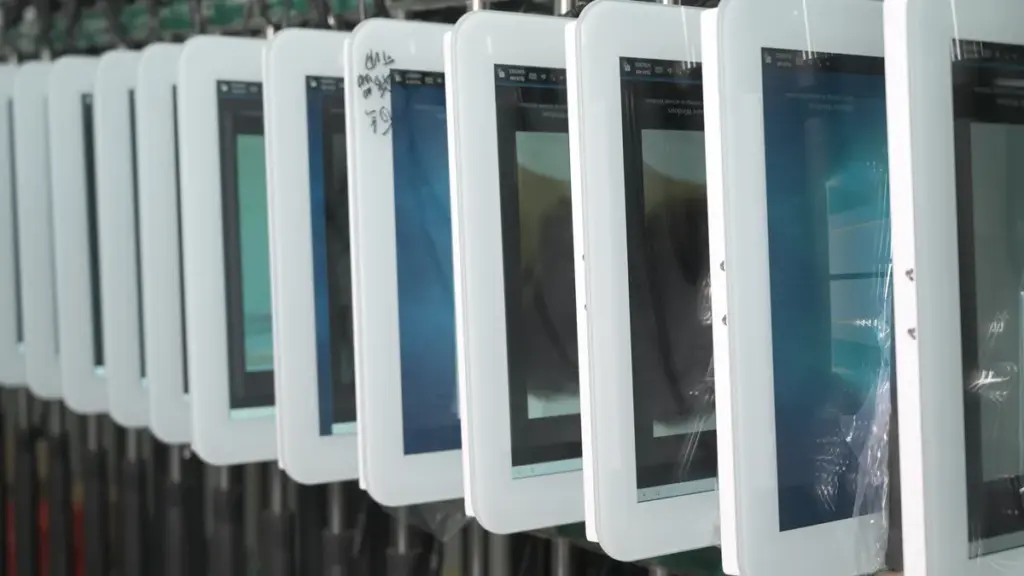
A white label touch monitor allows a business to sell an existing monitor under its own brand. The manufacturer keeps the original hardware design, while the buyer can customize visible brand details such as the logo, housing colour, boot screen, and packaging.
For equipment manufacturers, system integrators, and kiosk businesses, this approach offers a way to build a consistent product identity without developing a monitor from scratch. This guide explains the main branding options, the difference between white label and OEM services, and what to prepare before working with a supplier.
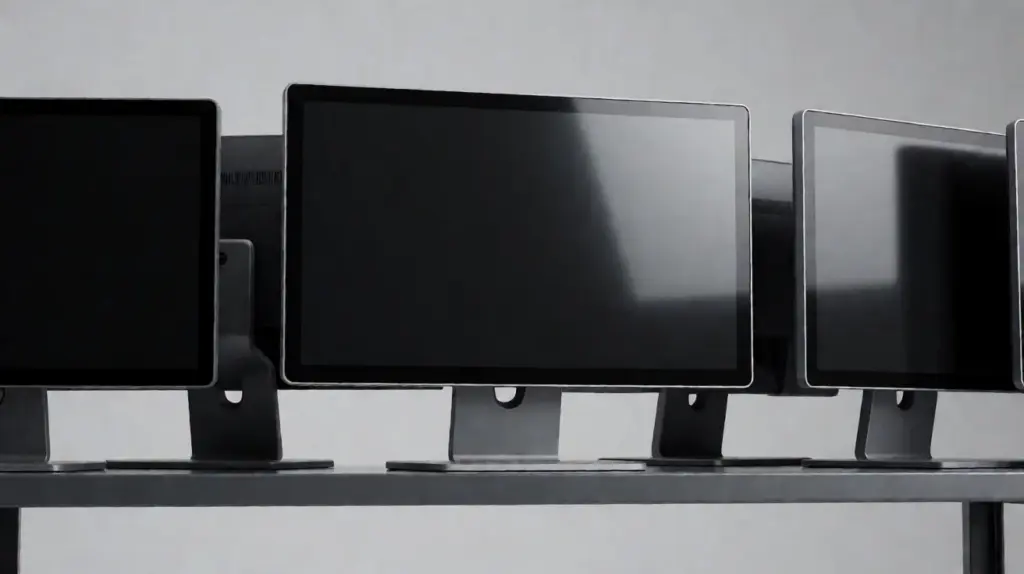
What Does a White Label Touch Monitor Include?
A white label touch monitor uses an existing product platform with your company’s branding. The manufacturer supplies the hardware, while you decide which brand elements should appear on the finished product.
The main goal is to create a product that fits your brand without making unnecessary changes to its original design.
Common white label options include:
- Housing: Custom colours and surface finishes.
- ໂລໂກ້: Your company name or logo on the bezel or housing.
- ຊອບແວ: Custom boot screens, device names, and interface graphics.
- ການຫຸ້ມຫໍ່ທີ່ໃຫຢ່: Branded cartons, ປື້ມຄູ່ມື, and product labels.
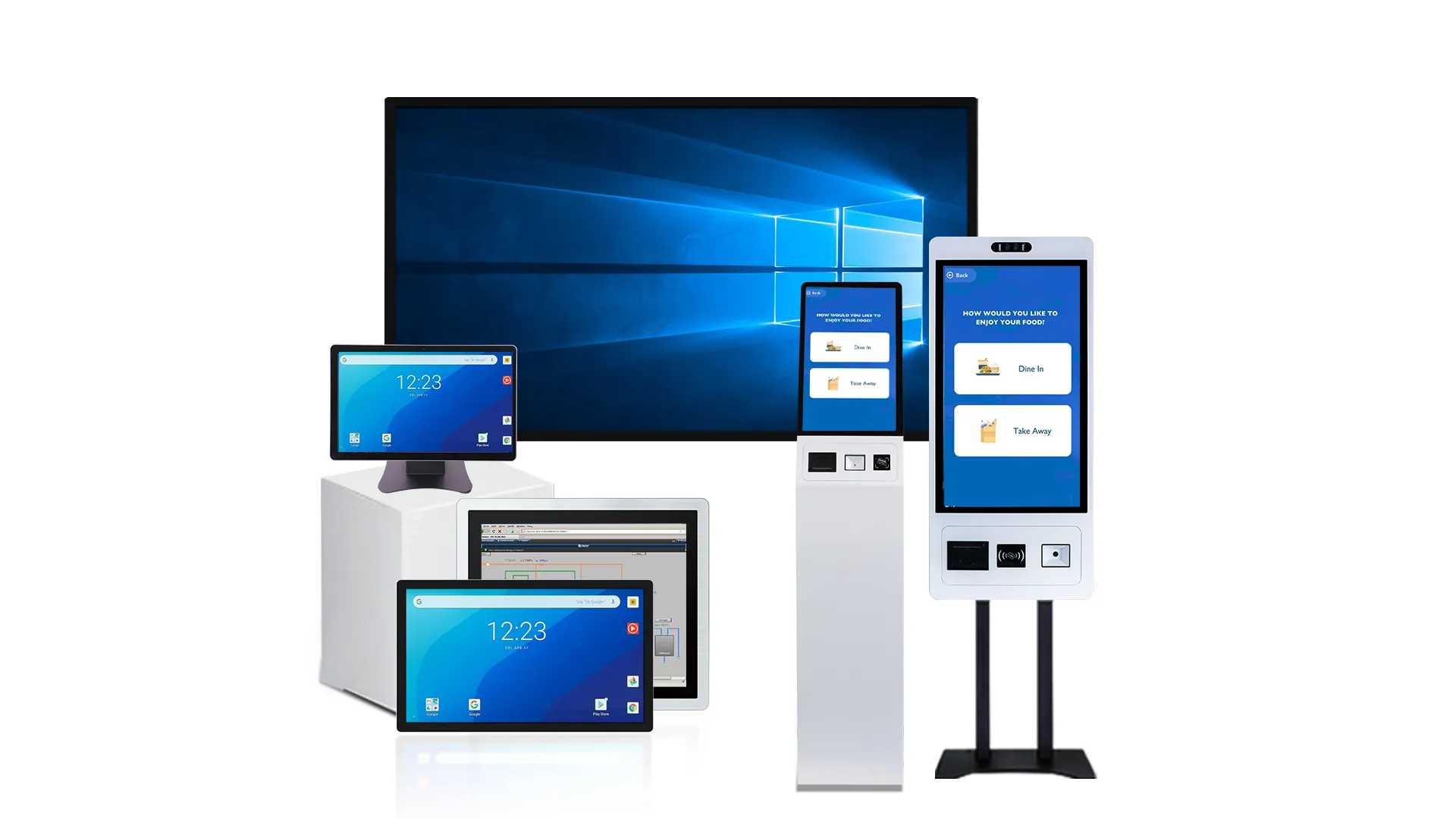
These options work for standard touch monitors, PARLE PC, and kiosk displays. ເປັນຕົວຢ່າງ, a system integrator may need a branded monitor for an industrial control system, while a kiosk company may want its logo and startup screen to match the rest of its self-service equipment.
TouchWo provides touch monitor and kiosk solutions for different business applications, including industrial automation, ການຮັກສາສຸຂະພາບ, and self-service projects.
Which Parts of a Touch Monitor Can You Brand?
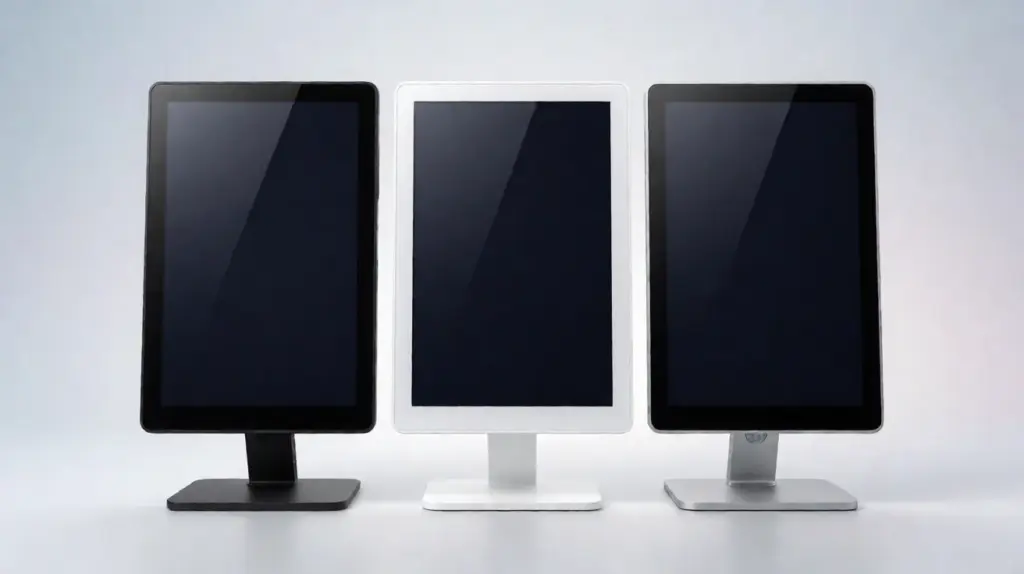
Housing colour and logo placement are usually the first changes buyers consider. They help customers recognize your brand without changing the monitor’s main hardware design.
touchgo ຂອງ customization service covers colour, ໂລໂກ້, ຮູບລັກສະນະ, ການຕັ້ງຄ່າ, ການໂຕ້ຕອບ, ຂະຫນາດ, ວັດສະດຸ, and other product details.
ສີທີ່ຢູ່ອາໄສແລະສໍາເລັດຮູບ
You can select a colour that matches your brand or product design. ກ່ອນການຜະລິດຂະຫນາດໃຫຍ່, request a physical sample and confirm the finish. Keep the approved sample as a reference for future orders.
Logo placement and application
Common methods include silk-screen printing, ເລເຊີ Engraving, and applied labels. Each method has different costs, ຄວາມທົນຊັດ, and appearance.
To avoid mistakes, provide:
- Vector logo artwork.
- A colour reference for the logo.
- A drawing showing the logo’s size and position.
- The required surface finish.
A clear drawing helps the factory place the logo correctly and maintain the same position across production batches.
How to Customize Boot Screens and System Branding
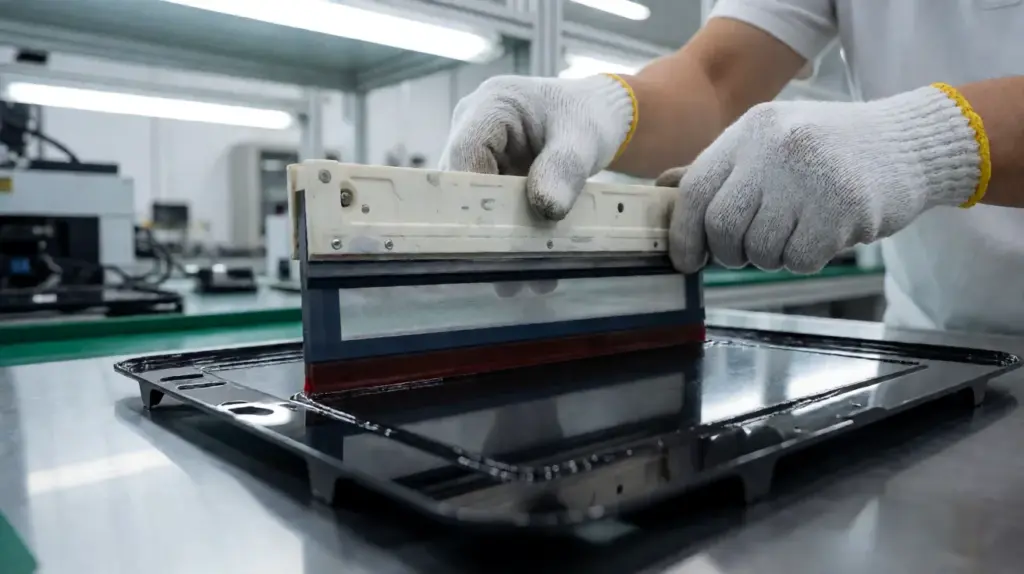
For touch monitors and panel PCs with an operating system, branding can also appear when the device starts or runs.
A monitor may have the correct logo on its housing but still show the manufacturer’s name on the boot screen or system interface. This can create an inconsistent brand experience for your customers.
Before production, confirm which software elements can be changed:
- Power-on logo or boot screen.
- Launcher or desktop background.
- Device name in system settings.
- About screen and preloaded applications.
Send the required graphic files and identify the operating system and software version. ນອກຈາກນີ້, list any manufacturer branding that must be removed.
Check these details on a sample unit before approving mass production. The sample should use the same software image planned for the actual order, not a temporary demonstration version.
touchgo ຂອງ quality control process includes ten tests before delivery and a 48-hour powered functionality test before packing. For branded orders, buyers should also confirm that the approved software version is loaded during the final inspection.
How to Brand Packaging and Product Documents
Product packaging is another important part of a white label order. A branded monitor should arrive with packaging and documents that match the product itself.
Common options include:
- Printed outer cartons.
- Custom product labels.
- Branded manuals and quick-start guides.
- Printed inserts and accessories packaging.
ໄດ້ TouchWo touch monitor product range includes logo branding and tailor-made packaging among its customization options.
When requesting a quote, send the carton artwork, packaging dimensions, and document files together with your monitor specifications. Printed packaging may have separate setup requirements, minimum quantities, ແລະເວລານໍາ. Confirm these details before setting the delivery schedule.
For US-bound products, country-of-origin marking requirements also need attention. Under 19 CFR 134.11, imported articles of foreign origin generally need a clear country-of-origin mark unless an applicable exception applies. Your own brand name does not replace this requirement.
White Label vs OEM and ODM: Which Model Fits?
ປ້າຍສີຂາວ, OEM, and ODM services support different levels of product customization. Choosing the right model helps you avoid paying for engineering work that your project does not need.
| ແບບ | Design ownership | Main customization |
|---|---|---|
| ຂາຍຕໍ່ | ຜູ້ຜະລິດ | Products sold under the manufacturer’s brand |
| ປ້າຍສີຂາວ | ຜູ້ຜະລິດ | ໂລໂກ້, ສີ, ການຫຸ້ມຫໍ່, and software branding |
| OEM | Based on your specifications and an existing platform | ການຕັ້ງຄ່າ, ໂຕ້ຕອບ, and selected hardware changes |
| ODM | Developed around the customer’s project | Product structure and broader design changes |
White label is suitable when the existing monitor already meets your technical requirements and you mainly need your own brand identity.
OEM is a better fit when your project needs changes to hardware configuration, ໂຕ້ຕອບ, ຫຼືວັດສະດຸ. ODM is more suitable when the standard product cannot meet your design requirements.
The cost also depends on the level of customization. Engineering fees, ເຄື່ອງມື, and unit prices should be listed separately. Our guide to ໜ້າຈໍສຳຜັດແບບກຳນົດເອງ ລາຄາ OEM explains how these costs affect a project at different order volumes.
TouchWo also offers OEM and ODM services with a one-piece MOQ for custom projects. ເຖິງຢ່າງໃດກໍ່ຕາມ, the actual cost and available changes depend on the product and engineering requirements. For details, see our guide to ຮາດແວສໍາພັດ MOQ custom one-piece.
What to Prepare Before Requesting a Supplier Quote
A clear project brief helps manufacturers understand your requirements and prepare a more accurate quotation. It also makes it easier to compare offers from different suppliers.
Prepare the following information before sending your inquiry:
- Product specifications: ຂະຫນາດຫນ້າຈໍ, ການແກ້ໄຂບັນຫາ, ປະເພດສໍາຜັດ, ລະບົບປະຕິບັດການ, and target model.
- Logo files: ງານສິນລະປະ vector, colour references, and placement drawings.
- Housing requirements: Required colour, ວັດສະດຸ, and surface finish.
- Software files: Boot screen graphics, launcher design, and system branding requirements.
- Packaging details: Carton artwork, ປື້ມຄູ່ມື, ປ້າຍຊື່, and inserts.
- Order quantity: Expected sample quantity, first order volume, and estimated annual demand.
- Application details: Whether the monitor will be used in industrial equipment, a kiosk, ອຸປະກອນການແພດ, or another system.
ນອກຈາກນີ້, ask the supplier to separate the costs of hardware, branding, ການຫຸ້ມຫໍ່, and any engineering work. This gives both sides a clearer basis for discussing the project.
How to Keep Branding Consistent Across Repeat Orders
A successful white label project needs more than one approved sample. The same colour, logo position, software version, and packaging should be maintained when you reorder.
ກ່ອນການຜະລິດຂະຫນາດໃຫຍ່, confirm three key references:
- Approved sample: Keep one finished unit as the reference for later orders.
- Artwork revision: Record the approved logo, ສີ, and packaging file versions.
- Software version: Confirm the boot screen and system image used in production.
For long-term supply, ask how the manufacturer controls these details across different production batches. You should also confirm how replacement parts will match the original branded product.
TouchWo supports touch monitor, ແຜງ PC, and kiosk customization for different business applications. If you are planning a white label project, send us your target model, branding files, application details, and expected order quantity. Our team can review the requirements and help you identify a suitable customization plan.
ຄໍາຖາມທີ່ມັກຖາມເລື້ອຍໆ
ຄວາມແຕກຕ່າງລະຫວ່າງປ້າຍສີຂາວແລະ OEM ແມ່ນຫຍັງ?
ປ້າຍສີຂາວເຮັດໃຫ້ຍີ່ຫໍ້ຂອງທ່ານຢູ່ໃນເວທີທີ່ຜູ້ຜະລິດອອກແບບແລະສ້າງແລ້ວ. OEM ໃຊ້ສະເພາະຂອງທ່ານກັບເວທີນັ້ນ, ການປ່ຽນແປງການຕັ້ງຄ່າ, ໂຕ້ຕອບ, ຫຼືວັດສະດຸ. ທໍາອິດແມ່ນຄໍາສັ່ງຂອງຍີ່ຫໍ້, ອັນທີສອງ, ຄໍາສັ່ງວິສະວະກໍາ, ແລະຜູ້ສະຫນອງລາຄາໃຫ້ເຂົາເຈົ້າຢູ່ໃນສາຍທີ່ແຕກຕ່າງກັນ.
ຫນ່ວຍງານປ້າຍສີຂາວສາມາດສົ່ງໄດ້ໂດຍບໍ່ມີຮ່ອງຮອຍຂອງຍີ່ຫໍ້ຜູ້ຜະລິດ?
ຂໍໃຫ້ມັນເປັນລາຍການຍົກເວັ້ນລາຍລັກອັກສອນກວມເອົາ carton, ບູດກາຟິກ, ຕົວເປີດ, ສາຍລະບົບ, ແລະປ້າຍຊື່ພາຍໃນ. ຫຼັງຈາກນັ້ນ, ກວດສອບແຕ່ລະລາຍການໃນຫນຶ່ງຕົວຢ່າງກ່ອນທີ່ຈະອອກ batch. ຄໍາສັນຍາທາງປາກເວົ້າມັກຈະຢູ່ລອດຮາດແວແລະຂາດຊອບແວ.
ໄຟລ໌ໃດທີ່ຜູ້ສະຫນອງຕ້ອງການອ້າງເຖິງການສ້າງໂລໂກ້?
ງານສິນລະປະ vector, ການອ້າງອິງສີສໍາລັບຫມຶກຫຼື engraving, ແລະຮູບແຕ້ມຕໍາແໜ່ງທີ່ແກ້ໄຂຂະໜາດ ແລະໄລຍະຫ່າງຈາກຂອບ bezel. ເພີ່ມຮູບແບບເປົ້າຫມາຍແລະປະລິມານປະຈໍາປີຂອງທ່ານ, ນັບຕັ້ງແຕ່ທັງສອງຄົນຕັດສິນໃຈວ່າວິທີການຄໍາຮ້ອງສະຫມັກໃດແມ່ນປະຕິບັດໄດ້. ພາບໜ້າຈໍຈາກເວັບໄຊທ໌ຂອງທ່ານບໍ່ແມ່ນໄຟລ໌ແຫຼ່ງທີ່ສາມາດໃຊ້ໄດ້.
ຍີ່ຫໍ້ປ້າຍສີຂາວມີການປ່ຽນແປງການຮັບປະກັນ?
ຢ່າສົມມຸດວ່າຄໍາຕອບ, ເນື່ອງຈາກວ່າຂໍ້ກໍານົດແມ່ນຂຶ້ນກັບສິ່ງທີ່ຜູ້ສະຫນອງຂຽນເຂົ້າໃນຄໍາສັ່ງຂອງທ່ານ. ຖາມວ່າຫົວຫນ່ວຍທີ່ມີຍີ່ຫໍ້ມີການຄຸ້ມຄອງດຽວກັນກັບຮູບແບບດຽວກັນທີ່ຂາຍພາຍໃຕ້ຊື່ຜູ້ຜະລິດ, ແລະຜູ້ທີ່ຈັດການກັບຜົນຕອບແທນ. ໄດ້ຮັບຄໍາຕອບໃນສັນຍາການຊື້, ຕໍ່ໄປກັບຂໍ້ຄວາມອາໄຫຼ່.
ແມ່ນເຄື່ອງໝາຍປະເທດຕົ້ນກຳເນີດທີ່ຍັງຕ້ອງການຢູ່ໃນກ່ອງຖ່ານກ້ອນຂອງຂ້ອຍເອງ?
ສໍາລັບການນໍາເຂົ້າຂອງສະຫະລັດ, ກົດລະບຽບຂອງເຄື່ອງຫມາຍນໍາໃຊ້ກັບບົດຄວາມຫຼືບັນຈຸຂອງມັນແທນທີ່ຈະເປັນຊື່ຍີ່ຫໍ້. ໂລໂກ້ຂອງເຈົ້າບໍ່ໄດ້ແທນທີ່ຄຳຖະແຫຼງທີ່ມາຈາກຕົ້ນກຳເນີດ ຜູ້ຊື້ສຸດທ້າຍຈະຕ້ອງສາມາດອ່ານໄດ້. ຕົກລົງເຫັນດີວ່າປ້າຍໃດຕິດມັນແລະໃຜພິມມັນກ່ອນທີ່ຈະແລ່ນກ່ອງທໍາອິດ.