Многие проекты OEM-оборудования требуют выбора между сенсорный дисплей для скрытого монтажа и поверхностного монтажа. Способ монтажа влияет на интеграцию корпуса, герметичность, доступ для обслуживания, и долговременная надежность оборудования, что делает его важной частью общего процесса проектирования..
Понимание сильных и слабых сторон каждого подхода помогает OEM-командам подобрать метод монтажа в соответствии с конструкцией своего оборудования., снизить интеграционные риски, и повысить эффективность установки и долговечность эксплуатации.
Чем отличаются сенсорные дисплеи для скрытого и поверхностного монтажа
Скрытый монтаж обеспечивает бесшовную, защищенный вид, но требует сложной установки. Поверхностный монтаж быстрее и дешевле в установке, но приводит к более громоздкому монтажу., дополнительный внешний вид.
Перед выбором способа крепления, OEM-команды должны понимать, как монтаж заподлицо и сенсорные дисплеи для поверхностного монтажа различаются по структуре, монтаж, и повседневное использование. Эти различия влияют как на конструкцию оборудования, так и на долгосрочное планирование технического обслуживания..
| Коэффициент сравнения | Скрытый монтаж | Поверхностный монтаж |
|---|---|---|
| Структура установки | Устанавливается внутри прецизионного выреза так, чтобы дисплей находился почти на одном уровне с поверхностью корпуса.. | Крепится непосредственно на корпус с помощью кронштейнов или оборудования VESA.. |
| Появление | Создает чистый, интегрированный, и первоклассная передняя поверхность. | Оставляет дисплей видимым как внешний компонент с функциональным внешним видом.. |
| Защита & Уплотнение | Обеспечивает непрерывное переднее уплотнение и лучшую устойчивость к пыли., вода, и случайное воздействие. | Защита в большей степени зависит от внешнего корпуса и открытой монтажной конструкции.. |
| Очистка | Плоскую поверхность легче чистить, и она подходит для гигиенических сред.. | Открытые края и кронштейны требуют дополнительных усилий по очистке.. |
| Установка & Услуга | Требуется точная обработка корпуса и обычно доступ сзади для обслуживания.. | Упрощенная установка и замена с использованием стандартного монтажного оборудования.. |
| Типичные применения | Медицинские приборы, киоски премиум-класса, пищевое оборудование, и индивидуальные OEM-машины. | Промышленные рабочие станции, заводские системы управления, и модернизировать оборудование. |
Какой метод монтажа подходит для различных конструкций OEM-оборудования
Скрытый монтаж подходит для нового OEM-оборудования, где гигиена и надежность являются приоритетами.. Поверхностный монтаж обеспечивает гибкость при модернизации, модульные конструкции, и когда модификация корпусов нецелесообразна или дорогостояща.
Механическая посадка: Конструкция корпуса и ограничения по пространству
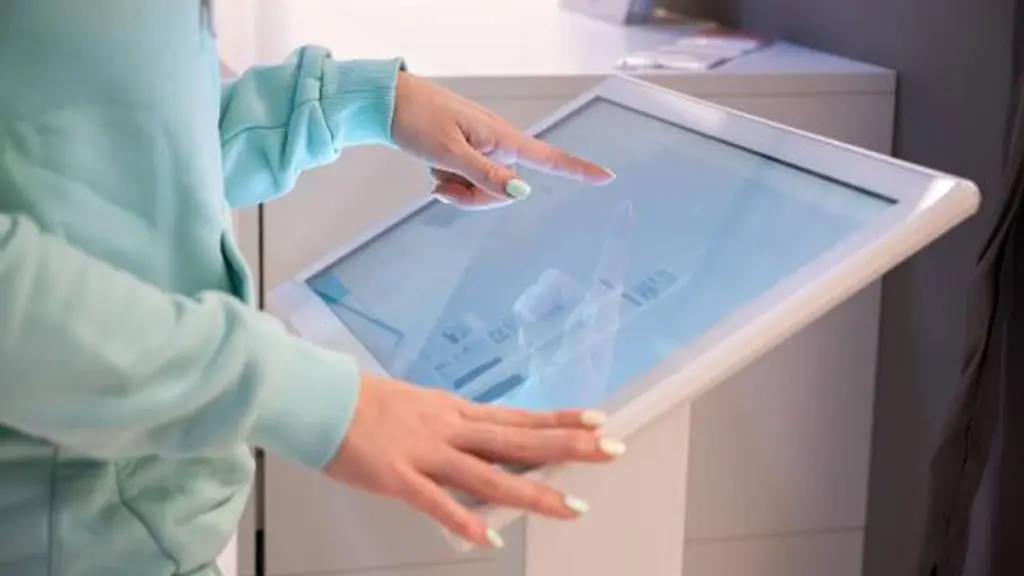
Выбор часто сводится к тому, когда дисплей встроен в дизайн.. А дисплей для скрытого монтажа требует точный вырез в вольере, что делает его естественным выбором для нового оборудования, где интеграция с панелью является частью первоначальный план. Все шасси интегрировано за панелью, обеспечивает превосходную защиту внутренних компонентов.
Поверхностный монтаж это практическое решение для модернизация или врезка в существующий корпус невозможны. Он крепится непосредственно к поверхности оборудования с помощью стандартные кронштейны или кронштейны VESA. Этот метод хорошо работает для оборудование с неглубокими внутренними полостями, так как он не вторгается в салон машины. В отличие, для скрытого монтажа агрегаты требуют значительного пространства, часто 50-75 мм глубины за панелью для размещения корпуса дисплея и кабелей.
Вы можете узнать больше о Как правильно выбрать крепление VESA для сенсорного монитора в нашей специальной статье.
Экологические требования: Уплотнение, Гигиена, и прочность
Требования к окружающей среде часто определяют, какой метод монтажа работает лучше.. Сравнить уплотнения, уборка, и потребности в защите перед выбором окончательного подхода к интеграции.
- Прочность: Дисплеи скрытого монтажа расположены внутри корпуса., обеспечение лучшей защиты от случайных ударов, вандализм, и повседневная одежда. Дисплеи поверхностного монтажа более уязвимы, но они остаются практичным выбором, когда простота замены и установки имеет более высокий приоритет, чем максимальная физическая защита..
- Уплотнение: Монтаж заподлицо создает сплошную переднюю поверхность, что упрощает герметизацию по стандарту IP и снижает риск проникновения воды или пыли.. Поверхностного монтажа обычно достаточно для внутреннего оборудования., например, лаборатории и диспетчерские, где высокая степень защиты не является основным требованием.
- Гигиена: Дисплеи, монтируемые заподлицо, минимизируют открытые зазоры вокруг экрана., облегчает очистку и уменьшает скопление пыли и бактерий. Устройства поверхностного монтажа имеют более открытые края., поэтому они требуют дополнительной очистки в средах со строгими гигиеническими стандартами..
Эстетика и эргономика оператора
Скрытый монтаж достигает бесшовного, “встроенный” внешний вид, который возвышает дизайн премиум класса, высококлассное оборудование. Плоская поверхность также улучшает пользовательский опыт для мультитач-приложений и жестов смахивания, устраняя любые физические края, которые могли бы препятствовать движению.
Поверхностный монтаж, однако, предложения большая эргономическая гибкость. С помощью шарнирных рычагов, операторы могут регулировать наклон дисплея, поворотный, и высота в соответствии с их потребностями, что является основным преимуществом для общих рабочих станций. OEM-производители, ориентированные на модульность, также склоняются к поверхностному монтажу., поскольку один и тот же стандартный дисплей можно прикрепить к различным машинам без необходимости делать специальные вырезы для каждого из них..
Сборка, Удобство обслуживания, и долгосрочная гибкость
Преимущества интеграции для скрытого монтажа прийти с повышенная сложность сборки. Процесс требует точного выравнивания, бережное обращение с прокладками, и приложение определенного крутящего момента к зажимам или шпилькам для обеспечения надлежащего уплотнения.. Для обслуживания этих устройств обычно требуется доступ к шкафу сзади., что может занять много времени.
Поверхностный монтаж упрощает как первоначальную сборку, так и долгосрочное обслуживание. Установка часто включает в себя просто крепление устройства к стандартной пластине VESA. Когда дело доходит до технического обслуживания, дисплеи для поверхностного монтажа легко заменяются спереди. Такой подход сводит к минимуму время простоя оборудования и упрощает замену на месте или модернизацию технологий., что делает его практичным выбором для систем, где время безотказной работы является главным приоритетом..
Промышленные сенсорные экраны, разработанные по вашим требованиям.
Структурный, Уплотнение, и компромиссы в обслуживании, которые покупателям следует сравнивать
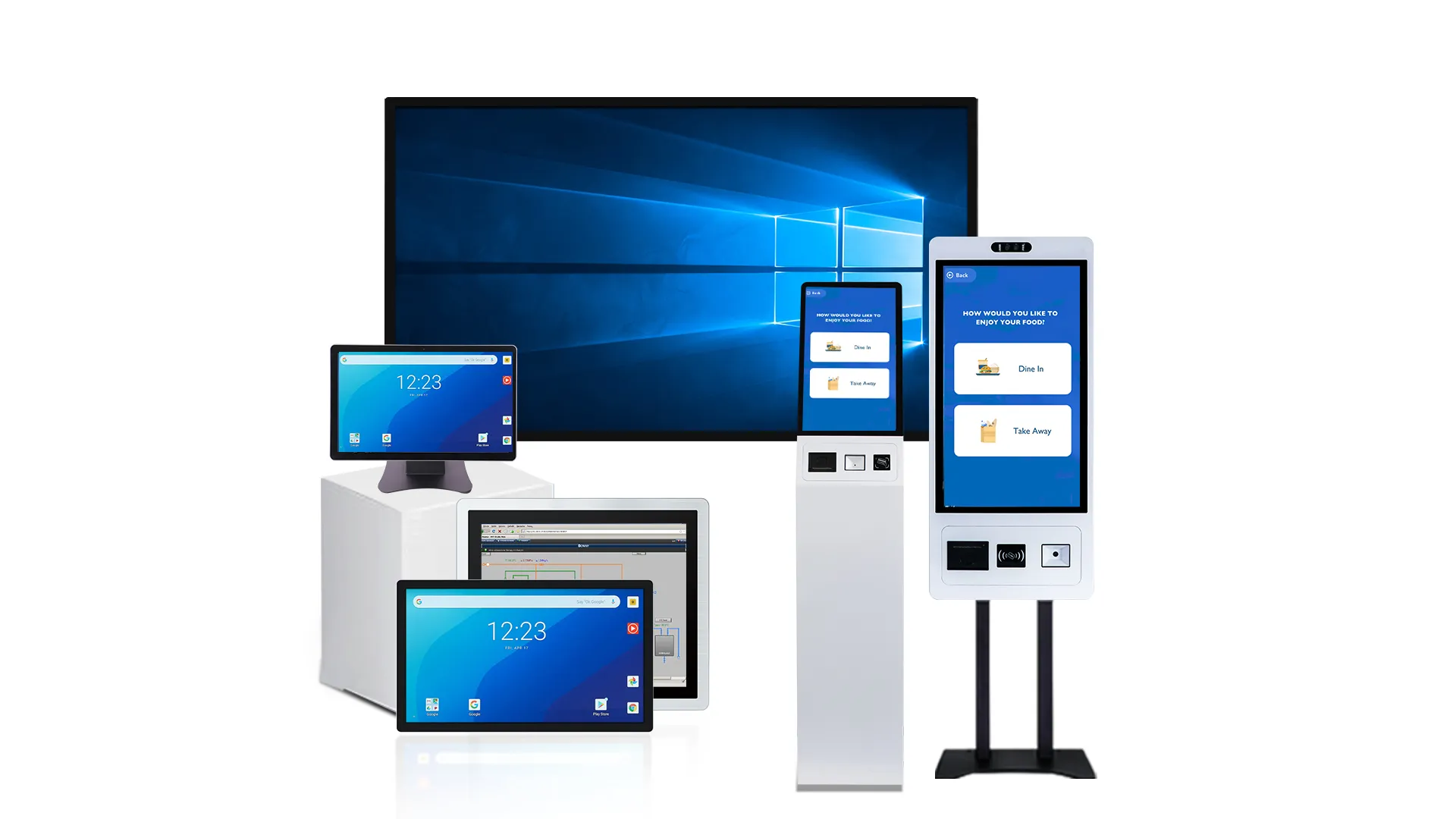
Ваш выбор крепления — это прямой компромисс. Монтаж заподлицо обеспечивает комплексную защиту и герметизацию., в то время как поверхностный монтаж отдает приоритет гибкости установки и простоте обслуживания.
| Фактор | Скрытый монтаж | Поверхностный монтаж |
|---|---|---|
| Структурная интеграция | Вписывается в прецизионный вырез панели для создания встроенного внешнего вида.. Защищает дисплей внутри корпуса, но требует индивидуального изготовления. | Крепится непосредственно к стене или кронштейну с минимальными изменениями корпуса.. Корпус дисплея остается полностью открытым. |
| Экологическая герметизация | Используются прокладки для панелей для обеспечения надежной передней герметизации., упрощение получения высоких рейтингов IP или NEMA. | Защита в основном зависит от корпуса монитора. Зазоры между устройством и монтажной поверхностью обычно остаются незаделанными.. |
| Обслуживание & Доступ | Обычно требуется доступ сзади для обслуживания, но поверхность заподлицо упрощает рутинную очистку и обслуживание.. | Поддерживает быстрое снятие с брекетов., что упрощает замену и обеспечивает удобный доступ к кабелям и разъемам. |
На практике, Монтаж заподлицо обычно выбирается, когда защита корпуса и внешний вид продукта имеют более высокий приоритет., в то время как поверхностный монтаж предпочтителен, когда эффективность установки и будущее обслуживание имеют большее значение.
Что команды OEM должны подтвердить перед окончательной доработкой конструкции крепления
Завершение проекта монтажа — это решение на уровне системы, влияющее на весь продукт.. Команды OEM должны проверить механическую посадку, целостность окружающей среды, производительность системы, и работоспособность до принятия на себя обязательств.
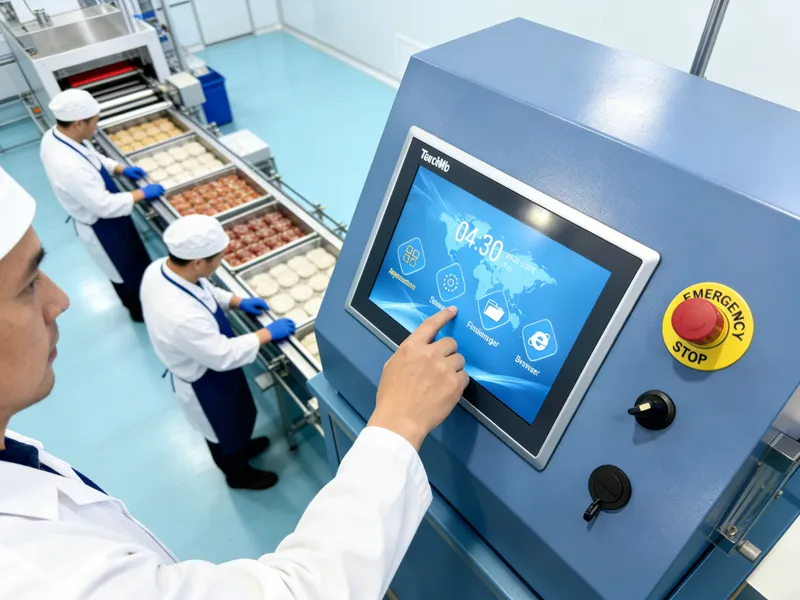
Правильное проектирование монтажа с самого начала предотвращает дорогостоящие доработки и отказы на месте.. Это больше, чем просто механический выбор; он определяет, как продукт будет работать, как он будет обслуживаться, и как он выживет в своей операционной среде. Прежде чем выйти из системы, команды разработчиков и продуктов должны пройти методический контрольный список.
Механическая посадка и совместимость размеров
Первоначальная проверка обеспечивает соответствие физических компонентов архитектуре продукта.. Просчеты здесь создают проблемы при сборке и могут поставить под угрозу весь корпус..
- Проверьте тип крепления (румянец, поверхность, или панель) соответствует архитектуре продукта.
- Убедитесь, что глубина шкафа, пространство полости, и геометрия выреза соответствуют техническим характеристикам.
- Проверьте безель, фланец, и допуски на выступы для обеспечения точного выравнивания без неожиданных зазоров или ступенек..
- Оцените плоскостность монтажной поверхности и пригодность материала подложки. (например, листовой металл, литой пластик) чтобы предотвратить изгиб.
Экологическая герметизация и структурная целостность
Способ монтажа — первая линия защиты от опасностей окружающей среды.. Плохое уплотнение или слабая конструкция гарантируют преждевременный выход из строя., особенно в промышленное или публичный Приложения.
- Определите необходимую защиту от проникновения (ИП) рейтинг основан на воздействии пыли на рабочую среду, влага, или чистящие средства.
- Проверьте материал прокладки, необходимая сила сжатия, и план замены для надежного долговременного уплотнения.
- Убедитесь, что конструкция учитывает вес дисплея., эксплуатационная вибрация, и потенциальная устойчивость к несанкционированному вмешательству в его окончательной ориентации.
- Убедитесь, что необходимые протоколы очистки совместимы с лицевой панелью., прокладка, и касаться материалов поверхности.
Производительность и интеграция системы
Способ установки дисплея напрямую влияет на его производительность.. Такие проблемы, как перегрев или плохой отклик на прикосновения, часто возникают из-за ошибок в интеграции..
- Анализируйте тепловые характеристики и пути рассеивания тепла внутри конечного корпуса, чтобы предотвратить перегрев..
- Проверьте чувствительность сенсорного экрана и калибровку после установки окончательного механического комплекта., поскольку давление на лицевую панель может повлиять на производительность.
- Убедитесь, что яркость дисплея и любые антибликовые свойства соответствуют реальным условиям окружающего освещения..
- Убедитесь, что хост-система полностью совместима с сенсорным протоколом дисплея., водители, и особые требования к кабелям.
Удобство обслуживания и соответствие требованиям
Жизненный цикл продукта выходит далеко за рамки сборочной линии.. Конструкция, которую сложно обслуживать или которая не соответствует сертификатам, приводит к долгосрочным затратам и неудовлетворенности клиентов..
- Спланируйте прокладку кабеля, чтобы сохранить доступ к электропитанию, данные, и будущее обслуживание без необходимости полного демонтажа.
- Определите процедуру замены компонентов и подтвердите наличие запасных частей на ожидаемый срок службы изделия..
- Убедитесь, что полностью интегрированная конструкция отвечает всем необходимым требованиям соответствия и сертификации конечной продукции для целевого рынка..
Почему Touchwo поддерживает специальные монтажные конструкции для интеграции оборудования
OEM-проекты требуют точной механической посадки, специальная охрана окружающей среды, и соответствие бренда. Стандартные крепления здесь не работают, создание нестандартных конструкций, необходимых для надежной интеграции оборудования.
Обеспечение точной механической посадки OEM-оборудования, изготовленного по индивидуальному заказу
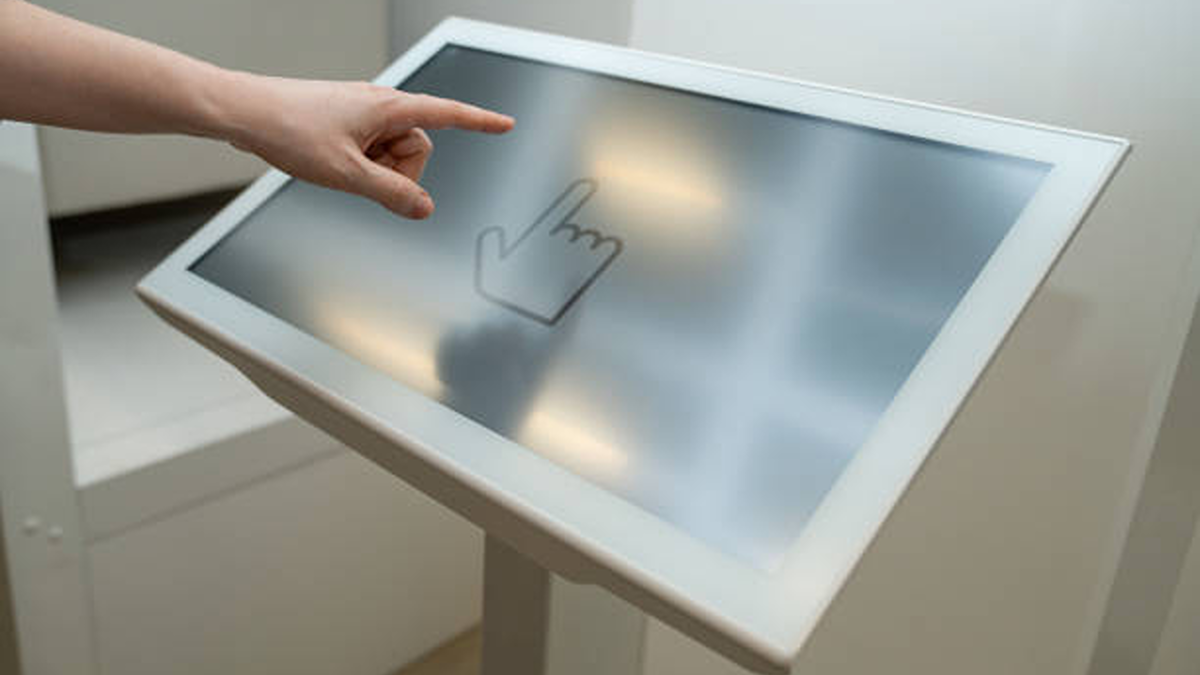
Промышленные машины и киоски устроены по-разному; каждый имеет уникальные вырезы в панелях, толщина материала, и точки крепления. Универсальный подход не работает. Специальные конструкции позволяют использовать индивидуальную геометрию лицевой панели и методы крепления, которые идеально подходят к основному оборудованию.. Это обеспечивает настоящий встраиваемый модуль, который упрощает процесс сборки OEM и повышает надежность конструкции от вибрации..
Соответствие разнообразным требованиям по охране окружающей среды и защите
Промышленные приложения требуют определенных степеней IP., как IP65, для защиты от пыли, вода, и химикаты. Специальные монтажные рамы и прокладки разработаны для создания надежного уплотнения, соответствующего панели оборудования.. Это обеспечивает долговечность в сложных условиях, например, в зонах мойки пищевых продуктов., уличные киоски, или машины с высокой вибрацией.
Включение интеграции как для скрытого, так и для поверхностного монтажа
OEM-производителям часто приходится предлагать и то, и другое. монтаж заподлицо (встроенный) и поверхностного монтажа (Веса/кронштейн) варианты в пределах одного семейства продуктов. Кастомизация позволяет Touchwo предоставлять различные механические интерфейсы для одного электронного ядра дисплея., предлагая максимальную гибкость. Это обеспечивает плавную интеграцию новых конструкций и простую модернизацию существующего оборудования..
Согласование с OEM-брендингом, Гигиена, и эргономика
Крепление является частью внешнего вида конечного продукта.. Пользовательские лицевые панели могут быть разработаны в соответствии с брендом OEM-производителя., цветовая схема, и эстетичный. Для медицинской или пищевой промышленности, полностью смыть, Монтажные конструкции без зазоров имеют решающее значение для гигиены и простоты очистки.. Крепление также можно отрегулировать для оптимизации положения и угла дисплея для улучшения эргономики оператора и удобства пользователя..
Последние мысли
Правильный метод монтажа является одним из ключевых факторов надежности OEM-оборудования.. После сравнения сенсорных дисплеев для скрытого и поверхностного монтажа, OEM-команды должны иметь более четкое представление о том, как каждый вариант влияет на конструкцию корпуса., планирование технического обслуживания, и долгосрочная производительность.
Touchwo предлагает сенсорные дисплеи для скрытого и поверхностного монтажа с индивидуальными конструкциями для различных конструкций оборудования. Если вы разрабатываете новый OEM-проект, Наша команда инженеров может помочь оценить ваши требования к корпусу и порекомендовать интеграционное решение, соответствующее вашему приложению..
Часто задаваемые вопросы
В чем разница между сенсорными дисплеями для скрытого и поверхностного монтажа??
Дисплеи для скрытого монтажа устанавливаются на уровне поверхности. (как стена или панель управления) в точный вырез, обеспечение бесперебойной, целостный внешний вид и превосходное уплотнение передней панели. В отличие, Дисплеи для поверхностного монтажа крепятся к поверхности с помощью кронштейнов., заставляя их выступать. Этот метод упрощает установку и замену, но приводит к менее целостному виду и может оказаться более сложным для герметизации монтажной поверхности..
Улучшает ли заподлицо монтаж герметичность и внешний вид??
Да, Монтаж заподлицо превосходен как с точки зрения герметизации, так и с точки зрения внешнего вида.. Это позволяет использовать сжатую прокладку для создания плотного уплотнения между дисплеем и панелью., часто достигают степени защиты IP55 или выше от пыли и воды. Эстетически, он обеспечивает чистоту, современный, “встроенный” внешний вид за счет устранения выступов и идеального совмещения с окружающей поверхностью.
Легче ли обслуживать и заменять поверхностный монтаж??
Да, поверхностный монтаж значительно проще в обслуживании и замене. Так как дисплей крепится с помощью внешних кронштейнов и не требует конструктивного выреза, его можно быстро снять и заменить, не требуя доступа сзади и не беспокоя панель.. Это упрощает обслуживание на местах и сокращает время простоя оборудования..
Какой способ крепления лучше для OEM оборудования?
Для OEM-оборудования, монтаж заподлицо обычно предпочтителен для создания прочной конструкции., продукт премиум-класса с высокоинтегрированным и фирменным внешним видом, особенно в гигиенических или суровых условиях. Поверхностный монтаж является лучшим выбором, когда приоритетом является сокращение времени выхода на рынок., более низкие инженерные затраты, модульность, или предоставление простых вариантов обновления на местах.
Что следует проверить проектировщикам корпусов перед выбором типа крепления?
Проектировщикам корпусов следует оценить несколько ключевых факторов.: механические ограничения (толщина панели, глубина полости, плоскостность), экологические требования (Степень защиты IP от пыли/воды), эстетические цели (интегрированный против. функциональный вид), исправность (фронт против. задний доступ для обслуживания), и общая стоимость проекта, включая как оборудование, так и монтажные работы.