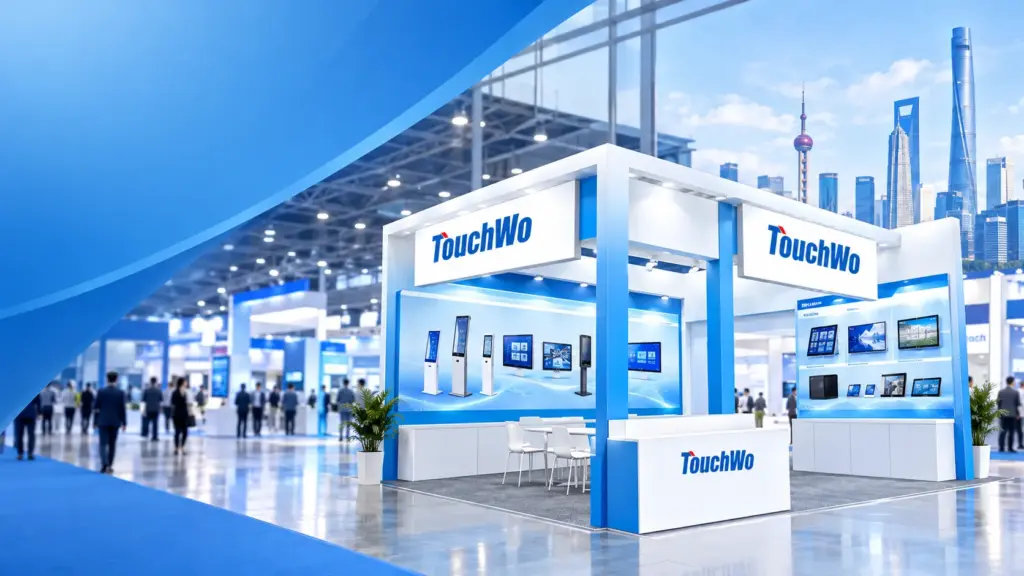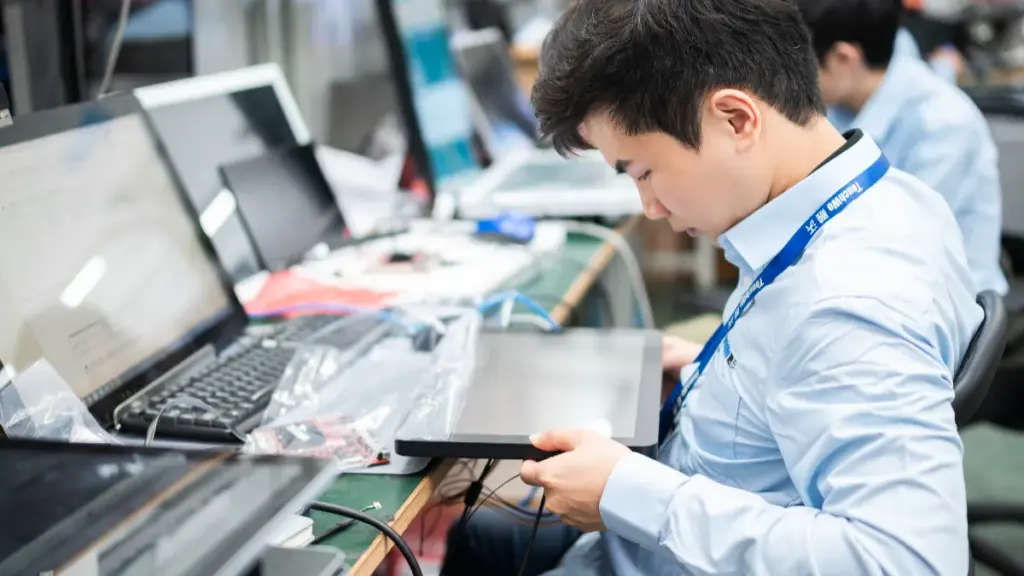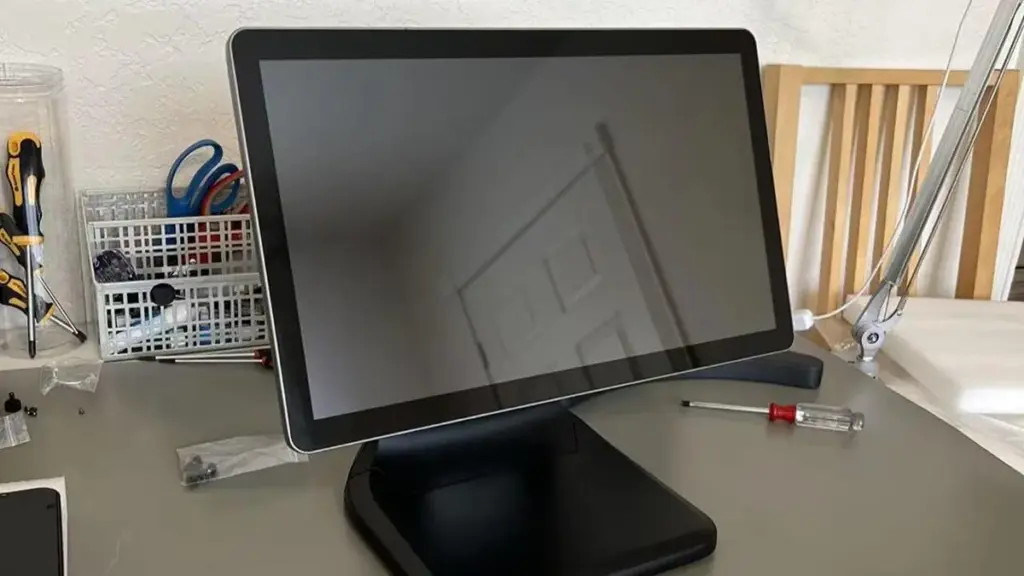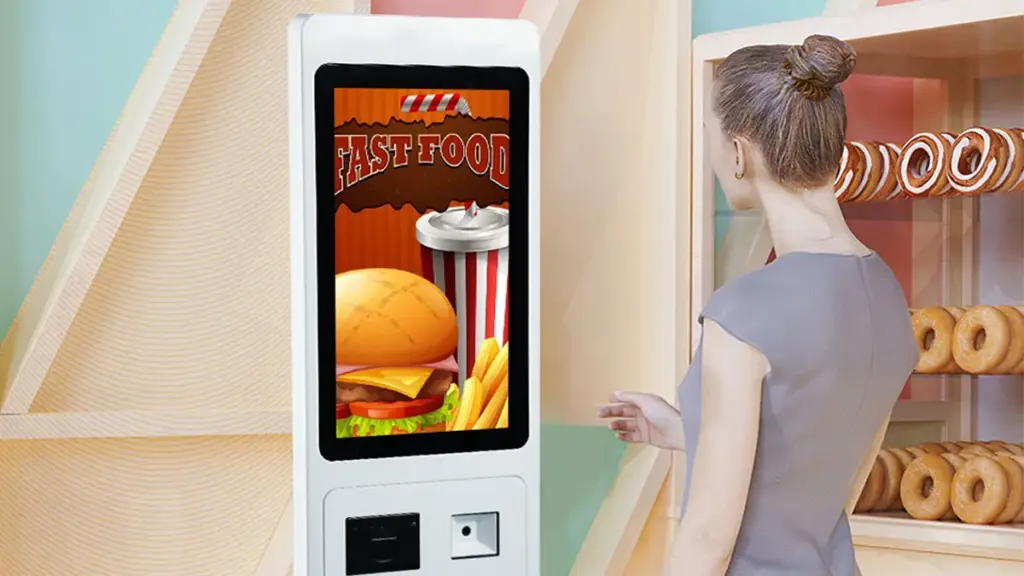
Touch screen hardware serves as the core interactive component for most smart self-service equipment. It supports intuitive tapping, sliding and menu selection for daily operations. Many business operators plan device upgrades but lack clear procurement and setup guidance.
First-time buyers often feel confused about valid purchasing channels and matching standards. นอกจากนี้, improper selection easily causes poor compatibility or unstable use. ด้วยเหตุนี้, learning standardized methods helps you obtain qualified, scenario-suitable hardware. This article shares practical ways to get a touch screen, key selection rules, installation tips and common troubleshooting advice.
Reliable Ways to Get a Qualified Touch Screen
You have multiple formal channels to obtain standard commercial touch screen hardware. Each method fits different business scale and customization needs.
1. Direct factory customization
Factory cooperation stands as the most reliable way for commercial projects. Professional manufacturers provide standardized and customized touch screen solutions. They support size adjustment, function matching and environmental adaptation optimization. This method guarantees stable quality and good compatibility for long-term device operation.
2. Professional commercial hardware suppliers
Authorized hardware suppliers offer complete touch screen product lines. They stock common mainstream models for rapid delivery. ขณะเดียวกัน, they provide basic technical consulting and after-sales support. This channel suits small-scale procurement and urgent replacement demands.
3. Official industry hardware platforms
Formal industry trading platforms display verified commercial touch screen products. You can compare different technical parameters and functional types. You also access basic qualification verification to avoid unqualified hardware. This way lowers procurement risks for regular device updates.
Key Checks Before You Get a Touch Screen
Before you confirm procurement, complete these simple checks. These steps ensure the touch screens matches your device and usage scenarios.
1. Confirm your device compatibility
อันดับแรก, check your device system and interface type. Different touch screen models adapt to exclusive driver programs and hardware interfaces. Compatible models connect smoothly without program conflicts. Incompatible screens will fail normal induction and operation.
2. Match your actual usage scenario
ต่อไป, clarify your daily operating environment. Indoor commercial venues need sensitive capacitive touch screens. Industrial sites require pressure-resistant resistive models. Outdoor spaces demand anti-interference infrared touch screens. Scenario matching avoids unnecessary functional waste.
3. Verify core performance parameters
แล้ว, check basic performance indicators of the touch screen. Focus on response sensitivity, wear resistance and light transmittance. Stable parameters guarantee smooth daily interaction and long service life. Qualified hardware reduces later maintenance frequency effectively.
4. Confirm after-sales service support
ในที่สุด, confirm valid technical support and warranty policies. Formal suppliers provide professional installation guidance and fault debugging. Complete after-sales support keeps your touch screen running stably for years.
Standard Installation & Activation Steps for a New Touch Screen
After you get a touch screens, follow standardized steps to finish setup. These simple processes ensure normal and stable operation.
1. Clean and reserve installation space
Wipe the display shell and mounting area thoroughly. Remove dust and sundries to avoid assembly gaps. A clean installation environment protects internal sensor structures.
2. Complete hardware assembly and wiring
Align the touch screens with the display panel position. Fix the shell steadily and connect matched data lines. Standard wiring prevents signal interruption and unstable induction.
3. Install and update supporting drivers
Install exclusive driver software for your touch screen model. Update the program to the latest version to ensure system compatibility. Stable drivers support accurate touch recognition.
4. Calibrate touch coordinates
Run professional calibration tools after system activation. Adjust tapping accuracy to eliminate offset issues. Calibration delivers precise and fluent user operation experience.
Common Mistakes When Getting a Touch Screen
Many buyers encounter unstable use due to simple selection errors. You can avoid these common problems easily.
1. Blindly choosing universal models
Universal touch screens cannot adapt to special scenarios. They lack dustproof, waterproof or anti-glare designs. ดังนั้น, they may fail frequently in complex working environments.
2. Ignoring system compatibility
Some buyers only focus on screen appearance. They ignore driver matching and interface differences. This mistake leads to installation failure or unresponsive touch functions.
3. Skipping parameter verification
Unverified low-standard screens have poor wear resistance. They fade quickly or lose sensitivity after short-term use. This situation increases repeated replacement costs.
FAQs About Getting a Touch Screen
ไตรมาสที่ 1: What is the most reliable way to get a commercial touch screen?
A1: Direct manufacturer customization is the most reliable option. It supports scenario-based optimization, full parameter matching and complete after-sales technical support.
ไตรมาสที่ 2: Do I need professional tools to install a new touch screen?
A2: Basic replacement needs simple manual operation. Complex embedded installation requires professional technical guidance to ensure stable assembly.
ไตรมาสที่ 3: Can I replace my old touch screen with any new model?
A3: เลขที่. You must match interface type, driver version and screen size. Only compatible models can work normally with your existing smart devices.
ไตรมาสที่ 4: What core features should I prioritize for a new touch screen?
A4: Prioritize scenario adaptability, touch sensitivity and wear resistance. These key features decide long-term operational stability and user experience.
คำถามที่ 5: Do customized touch screens offer better practical value?
A5: ใช่. Customized designs fit your exclusive venue and device needs. They avoid functional redundancy and adapt better to daily high-frequency use.
บทสรุป
สรุป., you can get a touch screen through formal manufacturer customization, professional hardware suppliers or verified industry platforms. Before procurement, you need to confirm device compatibility, scenario adaptability and core performance parameters. After obtaining the hardware, standardized installation, driver updates and coordinate calibration ensure stable operation. Avoiding universal model abuse and parameter negligence helps you obtain high-quality, long-lasting touch screens hardware. Reasonable selection and setup greatly improve your smart device’s interactive performance.
If you want compatible, scenario-tailored touch screen hardware for your self-service devices, กรุณากรอกแบบฟอร์มสอบถามบนเว็บไซต์อย่างเป็นทางการของเรา. Share your device type, สภาพแวดล้อมการใช้งานและความต้องการใช้งาน, and our professional team will provide reliable customized solutions for your business.