ในงานอุตสาหกรรม, การทำงานของปั๊มอย่างมีประสิทธิภาพมีความสำคัญอย่างยิ่งต่อการรักษาประสิทธิภาพของระบบและรับประกันการควบคุมการไหลที่แม่นยำ. Industrial Pump หน้าจอสัมผัส offer a modern solution for monitoring and adjusting the flow rate in real-time. แผงไวต่อการสัมผัสเหล่านี้ช่วยให้ผู้ปฏิบัติงานจัดการการตั้งค่าปั๊มได้อย่างง่ายดาย, ติดตามประสิทธิภาพ, and troubleshoot issues, all from a single, อินเตอร์เฟซที่ใช้งานง่าย. This article explores the benefits of using Industrial Pump Touch Screens to monitor flow rate and enhance the overall performance of your industrial systems.
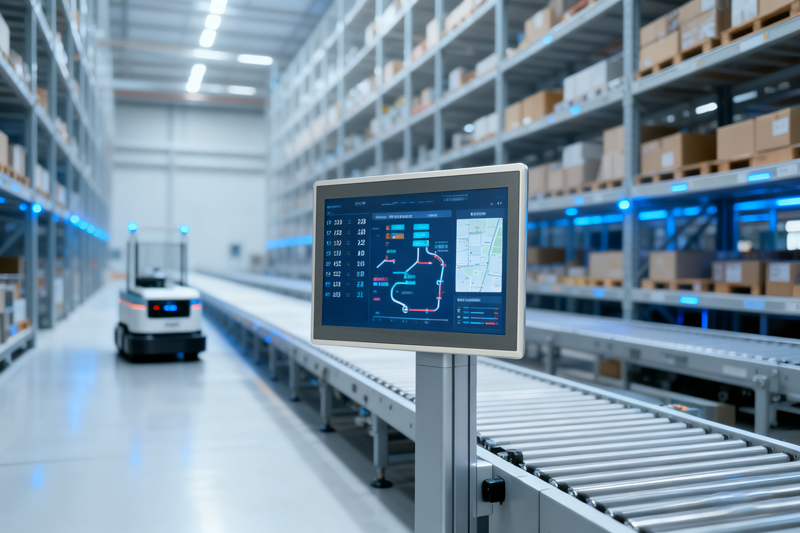
What is an Industrial Pump Touch Screen?
An Industrial Pump Touch Screen is a digital interface designed to monitor and control industrial pumps. These screens are equipped with touch-sensitive technology, allowing operators to adjust settings, track flow rate, and monitor the performance of pumps in real-time. Ideal for use in manufacturing, water treatment, and chemical processing, these touch screens provide a seamless way to optimize pump operations and ensure accurate flow measurements.
Key Features of Industrial Pump Touch Screens
Industrial Pump Touch Screens come with several features that make them ideal for flow rate monitoring:
Real-Time Flow Rate Monitoring: These touch screens display real-time flow data, allowing operators to make immediate adjustments to maintain optimal pump performance.
ส่วนต่อประสานที่ใช้งานง่าย: The touch interface makes it easy to control pump settings, monitor system data, and make adjustments without complicated controls.
ความทนทาน: Designed to withstand harsh industrial environments, these screens are resistant to dust, ความชื้น, และการสึกหรอทางกายภาพ.
Data Logging and Reporting: These panels can log flow rate data for later analysis and generate reports, helping with maintenance schedules and performance evaluations.
Benefits of Using Touch Screens for Flow Rate Monitoring in Industrial Pumps
Enhancing Control and Precision
Industrial Pump Touch Screens allow for precise control over pump performance. With the ability to monitor flow rate and adjust settings in real-time, operators can ensure that the system is operating at optimal efficiency. This precision reduces the risk of underperformance, overflows, or pump damage caused by incorrect flow rates.
Streamlining Maintenance and Troubleshooting
Monitoring flow rate in real-time helps identify potential issues before they escalate. Industrial Pump Touch Screens display key data and alerts, allowing operators to detect irregularities early and take corrective action. This proactive approach reduces downtime and maintenance costs, ensuring that pumps continue to operate efficiently.
Improving Efficiency and Reducing Waste
By accurately monitoring and controlling flow rate, Industrial Pump Touch Screens help optimize pump performance. This leads to improved energy efficiency, reduced material waste, and enhanced system reliability. The touch screen interface allows for quick adjustments, improving the overall efficiency of industrial systems.
How to Choose the Right Industrial Pump Touch Screen for Flow Rate Monitoring
When selecting an Industrial Pump Touch Screen for flow rate monitoring, พิจารณาปัจจัยต่อไปนี้:
Flow Rate Display Accuracy: Ensure the touch screen provides accurate and clear data on flow rate, allowing for precise control of the pump.
ความทนทาน: The screen should be built to withstand the demanding conditions of industrial environments, including exposure to moisture, สารเคมี, และฝุ่น.
ขนาดหน้าจอและความละเอียด: Choose a screen size that fits your operational space and offers clear visibility for operators to monitor flow rate data easily.
Compatibility with Pump Systems: Ensure the touch screen is compatible with your pump systems and integrates seamlessly with your existing control infrastructure.
FAQ – Industrial Pump Touch Screens
ไตรมาสที่ 1: What is an Industrial Pump Touch Screen?
An Industrial Pump Touch Screen is a touch-sensitive interface used to monitor and control industrial pumps. It allows operators to track flow rate, ปรับการตั้งค่า, and monitor pump performance in real-time.
ไตรมาสที่ 2: How does an Industrial Pump Touch Screen improve flow rate monitoring?
These screens allow for real-time monitoring of flow rate, enabling operators to adjust pump settings quickly and accurately. This ensures that the system operates at optimal efficiency and reduces the risk of operational issues.
ไตรมาสที่ 3: Are Industrial Pump Touch Screens durable enough for industrial environments?
ใช่, Industrial Pump Touch Screens are designed to withstand harsh conditions such as exposure to dust, ความชื้น, และผลกระทบทางกายภาพ. They are built for long-term reliability in industrial settings.
ไตรมาสที่ 4: Can these touch screens help with troubleshooting and maintenance?
ใช่, Industrial Pump Touch Screens can log flow rate data and provide real-time alerts when issues arise. This allows operators to identify potential problems early and take corrective action, minimizing downtime and maintenance costs.
Industrial Pump Touch Screens provide an efficient and user-friendly way to monitor and control the flow rate in industrial pump systems. ด้วยคุณสมบัติเช่นการตรวจสอบแบบเรียลไทม์, การควบคุมที่แม่นยำ, and enhanced data logging, these touch screens help optimize pump performance, ลดของเสีย, และปรับปรุงประสิทธิภาพโดยรวม. If you’re ready to enhance your industrial systems with Industrial Pump Touch Screens, เยี่ยมชมเว็บไซต์ของเราและกรอกแบบฟอร์มสอบถาม. Our team is ready to help you find the perfect solution for your needs.