Ви, мабуть, дивилися на специфікацію, цікаво: “Чи дійсно IP67 кращий за IP66? І чи дійсно мені потрібен IP69K?”
Це найпоширеніше запитання, яке ми отримуємо в TouchWo. Ось сувора правда: Вищі цифри не завжди означають кращий захист. Купівля монітора IP68 для зони промивання під високим тиском насправді може бути дорогою помилкою.
Як виробник моніторів із сенсорним екраном IP65 і постачальник кіосків, з над 200,000 побудовані промислові сенсорні екрани, ми тут, щоб розібратися в жаргоні та дати вам вказівки в реальному житті. Давайте подбаємо про те, щоб ви не платили за захист, який вам не потрібен, або не пропускали захист, який ви точно маєте.
Що насправді означають рейтинги IP?
IP означає захист від проникнення, хоча іноді його називають міжнародним захистом. Це глобальна стандартизована система, визначена IEC 60529, розроблено, щоб припинити маркетингові терміни, як “водонепроникний” від бути невизначеним. Він точно повідомляє, скільки пилу або води може витримати пристрій.
Код зазвичай складається з двох цифр, наприклад IP65, але розуміння значення кожної позиції є ключовим для здійснення правильної покупки.
Перша цифра для твердих речовин
Цей номер від 0 до 6 забезпечує захист від твердих предметів, від пальців до дрібного пилу. У нашій галузі, що-небудь менше, ніж a 5 зазвичай неприйнятно. Усі промислові монітори TouchWo мають рейтинг IP6X, це означає, що вони повністю пилонепроникні та захищені від проникнення вакууму.
Друга цифра для рідин
Цей номер від 0 до 9K оцінює захист від проникнення води, охоплюючи все: від крапельної води до потужних, струмені гарячої пари. Саме тут трапляється найбільше плутанини. Більше число зазвичай означає сильніший захист, але методи випробування різко змінюються від розпилення для IP66 до занурення для IP67 та IP68, і, нарешті, до високої температури, промивка високим тиском для IP69K.
Що робити, якщо ви бачите X у коді?
Якщо цифра замінена на X, наприклад, у стандарті IPX7, це означає, що пристрій не було протестовано для цієї конкретної категорії. Це не означає автоматично нульовий захист. Наприклад, пристрій IPX7 сертифіковано для занурення, але не має офіційного рейтингу пилу.
У промислових умовах, уникнути “X” оцінки, коли це можливо. Вам потрібен сертифікований захист від пилу, щоб запобігти перегріванню та забрудненню, і воду для запобігання короткого замикання та корозії.
Для підказки: Код IP описує лише захист від твердих речовин і рідин. Не оцінює стійкість до корозії, хімічні речовини, або механічний вплив. Вони залежать від матеріалів корпусу, таких як нержавіюча сталь, і конструкції конструкції.
Порівняння діаграм рейтингу IP
Ось коротка довідка, щоб побачити, як різні рейтинги співвідносяться з впливом води:
| Рейтинг IP | Рівень захисту | Тест на воду | Ідеальне застосування |
|---|---|---|---|
| IP65 | Водостійкий | Струмені низького тиску з будь-якого напрямку. | Роздрібні кіоски, HMI легкої промисловості, внутрішні приміщення з періодичним прибиранням. |
| IP66 | Важка гідроізоляція | Струмені високого тиску з будь-якого напрямку. | Зовнішня вивіска, морське середовище, місця з інтенсивним промиванням. |
| IP67 | Тимчасове занурення | Повне занурення у воду до 1 метр для 30 хвилин. | Портативні пристрої, які можуть випадково впасти у воду. |
| IP68 | Безперервне занурення | Безперервне занурення у воду з глибиною та часом, визначеними виробником. | Підводне обладнання, глибоководні датчики, керування басейном. |
| IP69K | Високотемпературна промивка | Високий тиск, високотемпературні парові струменя. | Обробка харчових продуктів, фармацевтичне виробництво, зони стерилізації. |
Це суть багатьох порівнянь, наприклад IP65 проти IP66, IP65 проти IP67 проти IP68, і повні сходи, такі як IP65 проти IP66 проти IP67 проти IP68 для загальносистемного планування.
Детальний аналіз для вибору правильного захисту

IP65 як галузевий стандарт загального використання
Якщо ви коли-небудь замислювалися про справжнє значення водонепроникності IP65, ось це простими словами: рейтинг IP65 означає, що пристрій є пилонепроникним і може витримувати водні струмені низького тиску під будь-яким кутом, але він не призначений для тривалого промивання або промивання під високим тиском. У нашій галузі, це часто є відправною точкою для серйозного промислового та комерційного впровадження.
Якщо порівнювати IP65 проти IP66, IP65 забезпечує надійний захист від пилу та стійкість до легкого бризок або дбайливого очищення шланга, у той час як IP66 робить його ще кращим для суворих умов зовнішнього середовища або сильних бризок. Побачили з іншого боку, IP66 порівняно з IP65 забезпечує той самий рівень захисту від пилу, але явне підвищення стійкості до струменів води, що має значення, якщо ваші пристрої піддаються впливу шторму або частого миття.
- Найкраще для: Загальна автоматизація, роздрібна торгівля POS (Торгова точка) термінали, інформаційні кіоски, та внутрішні панелі керування.
- Перегляд TouchWo: Для багатьох проектів, IP65 є найбільш економічно ефективним солодким місцем. Як досвідчений виробник сенсорних екранів IP65, ми часто рекомендуємо IP65 для внутрішніх HMI і кіосків, де ризик більше пов’язаний з пилом і випадковими бризками, ніж з очищенням під високим тиском. Для глобального розгортання, TouchWo також підтримує проекти кіосків із сенсорним екраном IP65 у Китаї, від дизайну корпусу до масового виробництва.
IP66 для сильних морів і штормів
IP66 посилює захист, щоб протистояти струменям води під високим тиском з будь-якого напрямку.
Якщо ваше обладнання знаходиться на відкритому повітрі під дощем, сильні бризки вітру, або регулярне очищення шлангом, IP66 стає важливим для запобігання проникненню води, яка може пошкодити внутрішні компоненти або спричинити періодичні збої.
IP67 як фахівець із занурення
IP67 означає, що пристрій можна занурювати у воду 1 метр води за 30 хвилин без пошкоджень.
- Ключовий нюанс: IP67 перевірено на тимчасове занурення, не для розпилення під високим тиском. Пристрій може пройти випробування на занурення за стандартом IP67 і не пройти випробування струменем IP66, якщо вода проходить через ущільнення під тиском.
Ось чому IP67 не є автоматично “краще” ніж IP66 для обладнання, яке очищається за допомогою шлангів або мийних апаратів високого тиску. - Найкраще для: Польові пристрої, портативні термінали, або вимірювальне обладнання, яке можна впустити в калюжі, танки, або мілководдя.
IP68 як стандарт підводного човна
Багато людей вважають, що IP68 - це просто “краще” ніж IP67, але насправді він розроблений для іншого сценарію: безперервне занурення.
- Тест: На відміну від короткочасного занурення IP67, Пристрої IP68 герметичні, щоб витримувати тривалий період перебування під водою на певній глибині та під певним тиском. Точні умови, наприклад, 3 метрів за 24 години, вказуються виробником.
- Коли це надмірно: Якщо ваш екран не призначений для тривалого перебування під водою, IP68 може збільшити вартість, не додавши реальних переваг. В основному він захищає від статичного тиску води, не обов'язково проти могутніх, гарячі промивання.
Коли інженери порівнюють IP65 проти IP67 проти IP68, Ключове питання полягає не в тому, яке число найбільше, але чи зіткнеться пристрій з бризками, тимчасове занурення, або тривале занурення. IP65 зазвичай достатньо для сухих або злегка забруднених приміщень, IP67 скорочено, випадкове падіння у воду, і IP68 для безперервного використання під водою. Для ширшого планування в різних лініях або місцях, багато клієнтів розглядають IP65 проти IP66 проти IP67 проти IP68 як повний прогрес від базової стійкості до бризок до зовнішнього інтенсивного очищення, а потім до рейтингів занурення.
IP69K як золотий стандарт гігієни
IP69K - найвищий рівень захисту від води в стандарті. The “К” походить від німецького стандарту для очищення транспортних засобів і промислового обладнання під високим тиском.
У деяких документах, Ви також можете побачити IP69. У промислових обчисленнях і програмах для очищення, IP69K є більш відповідним позначенням, тому що це явно стосується високого тиску, високотемпературне очищення, визначене DIN 40050-9.
- Тест: Пристрої повинні витримувати близьку відстань, високого тиску, високотемпературної води та пари під різними кутами. Це імітує агресивні процедури очищення гарячою водою та миючими засобами.
- Найкраще для: Заводи харчових продуктів і напоїв, лінії переробки м'яса, молокозаводи, фармацевтичні заводи, і будь-яке середовище, де сувора гігієна та часте миття є обов’язковими.
- важливо: IP69K спрямований на захист від пилу та води в екстремальних умовах очищення. Стійкість до корозії все ще залежить від матеріалів корпусу, тому в таких середовищах зазвичай використовуються корпуси з нержавіючої сталі
Який із них купити?

Вибір правильного рейтингу IP стосується відповідного середовища, спосіб очищення, і загальна вартість володіння. Піднімаючись вище, ніж вам потрібно, можна витратити бюджет, але вибір занадто низького рівня призводить до простою, невдачі, і вищі витрати на заміну.
Як виробник із власним R&Д, обробка металу, виробництво сенсорних панелей, і повна збірка ПК, TouchWo може узгодити рейтинг IP із вашими реальними умовами замість того, щоб змушувати вас купувати універсальний продукт.
Використовуйте цю структуру прийняття рішень як еталон:
Виберіть IP65 для роздрібної торгівлі, Офіси та легка промисловість
Якщо пристрій знаходиться в приміщенні, подалі від прямих струменів води, і в основному очищається тканинами або м’яким спреєм, IP65 зазвичай достатньо.
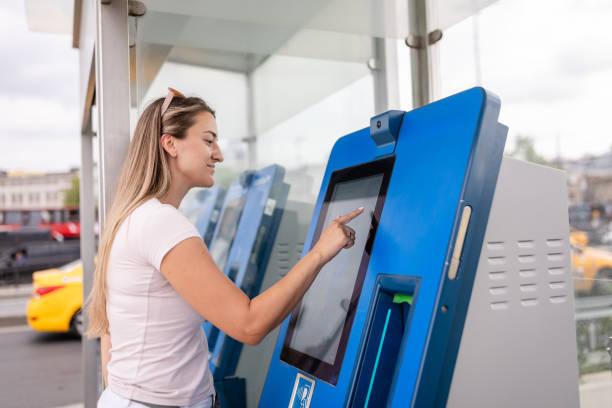
- Типові сценарії: Кіоски самообслуговування, квиткові автомати під навісами, HMI (Людино-машинний інтерфейс) панелей на виробничих лініях без змиву, рецепція та лобі термінали.
- Рішення TouchWo: Стандартні монітори з сенсорним екраном і панельні ПК із передніми панелями IP65 і гнучкими параметрами конфігурації допомагають контролювати витрати, захищаючи критичні компоненти. Для брендів, які шукають надійного партнера для кіоску із сенсорним екраном IP65 у Китаї, TouchWo пропонує універсальний дизайн, виробництво, і налаштування для терміналів самообслуговування в торгових центрах, транспортні вузли, і розумні роздрібні проекти.
Виберіть IP66 для зовнішнього використання, Морські та сильні бризки
Якщо ваш екран стикається з частими або сильними бризками води, але не гаряче, пара високого тиску, вам слід перейти на IP66.
- Типові сценарії: Зовнішня цифрова вивіска, портове та морське обладнання, паливороздавальні колонки, зовнішні диспетчерські станції, і обладнання, яке очищається водяним шлангом.
- Рішення TouchWo: Ми можемо покращити герметизацію за допомогою спеціальних прокладок і конструкцій корпусу, щоб ваші зовнішні або морські термінали відповідали стандарту IP66, зберігаючи при цьому хороше розсіювання тепла та зручність обслуговування.
Виберіть IP69K для суворої гігієни та щоденного миття
Якщо ви працюєте в харч, фарм, або хімічне середовище, де обладнання промивається гарячою водою, пар, та засоби для чищення, IP69K є єдиним безпечним довгостроковим вибором.
- Типові сценарії: Бійні, молокозаводи, лінії розливу напоїв, фабрики готової їжі, і чисті кімнати з частою санітарією.
- Рішення TouchWo: наш ПК із сенсорною панеллю IP69K Серія створена саме для цих завдань. З безшовною справжньою плоскою конструкцією та захистом передньої панелі IP69K, це допускає високий тиск, високотемпературне миття без утримання бактерій або вологи. Незалежно від того, інтегровано в шафу керування чи автономний кіоск, він забезпечує дотримання гігієнічних вимог, одночасно забезпечуючи надійну сенсорну роботу.
Виберіть IP68 для занурення або під лінією води
Якщо пристрій має працювати під водою або в місцях, які можуть залишатися затопленими протягом тривалого часу, IP68 стає важливим.
- Типові сценарії: Резервуари для очищення води, підземні ями, обладнання біля басейну, або будь-яка установка, де екран може знаходитися нижче лінії води.
- Рішення TouchWo: Для цих особливих випадків, наша команда інженерів може спроектувати спеціальні корпуси IP68 з посиленими ущільненнями, спеціалізовані матеріали, а також підтвердження необхідної глибини та тривалості. Зазвичай це проектні рішення, а не готові одиниці.
Готові впевнено вибрати свій рейтинг IP?
Зараз, ви бачите, що IP65, IP66, IP67, IP68, і IP69K – це не просто цифри в таблиці даних. Вони вирішують, чи стійкі ваші сенсорні екрани до пилу, дощ, занурення, або щоденні промивання під високим тиском.
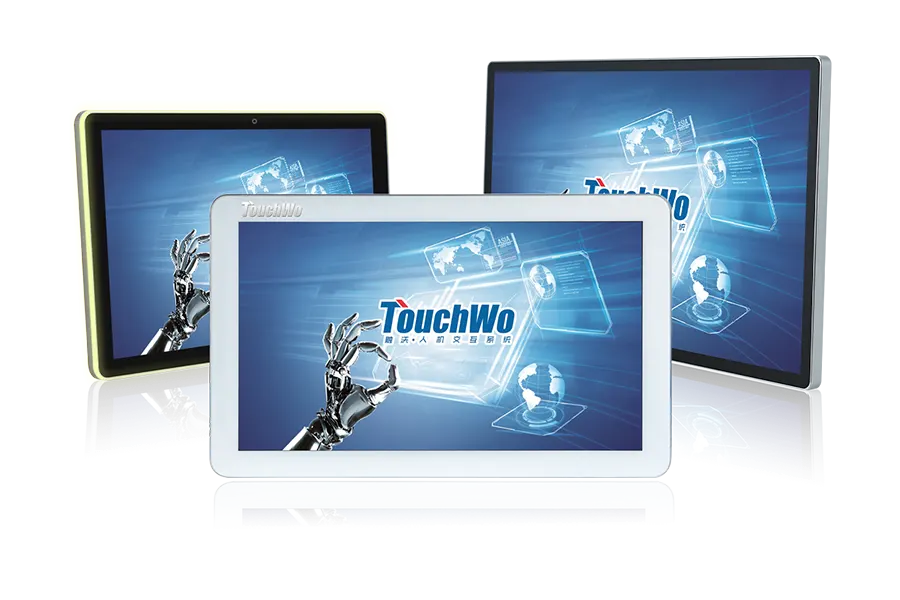
Як спеціалізований виробник сенсорних екранів із власним R&Д, обробка металу, виробництво сенсорних панелей, і повна збірка ПК, TouchWo перетворює IP-рейтинги на надійне обладнання, яке точно відповідає вашому випадку використання та бюджету. Кожна конструкція перевіряється суворим тестуванням на пил і воду, багатогодинне вигоряння, і контроль якості в стилі ISO, тому рейтинги специфікацій відображають реальну надійність. Від промислових ПК із нержавіючої сталі IP69K для харчової та фармацевтичної промисловості до настроюваних панельних ПК IP65/IP66 і проектних рішень IP68, ми створюємо те, що працює для вашого середовища.
Якщо ви плануєте новий проект або модернізуєте обладнання та хочете отримати правильний рейтинг IP з першого разу, зв'яжіться з нами сьогодні щоб обговорити вашу програму та створити сенсорне рішення, яке справді відповідає вашому середовищу.