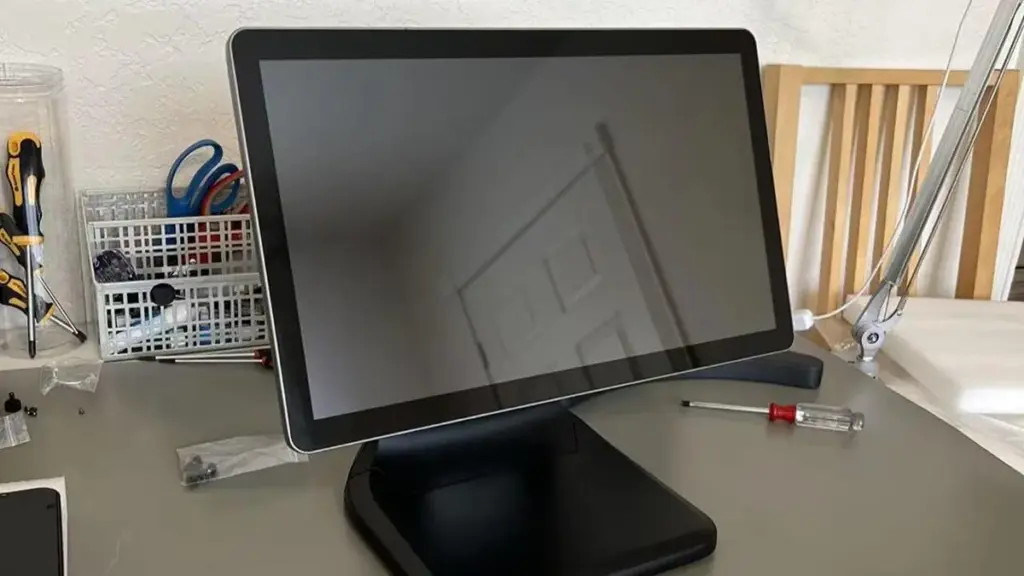
Màn hình cảm ứng đóng vai trò là bộ phận tương tác cốt lõi cho các thiết bị công nghiệp và tự phục vụ. Bạn chạm hoặc trượt bề mặt để gửi đơn đặt hàng mà không cần chuột hoặc nút. Most people use touch screens daily yet never learn their internal operation logic.
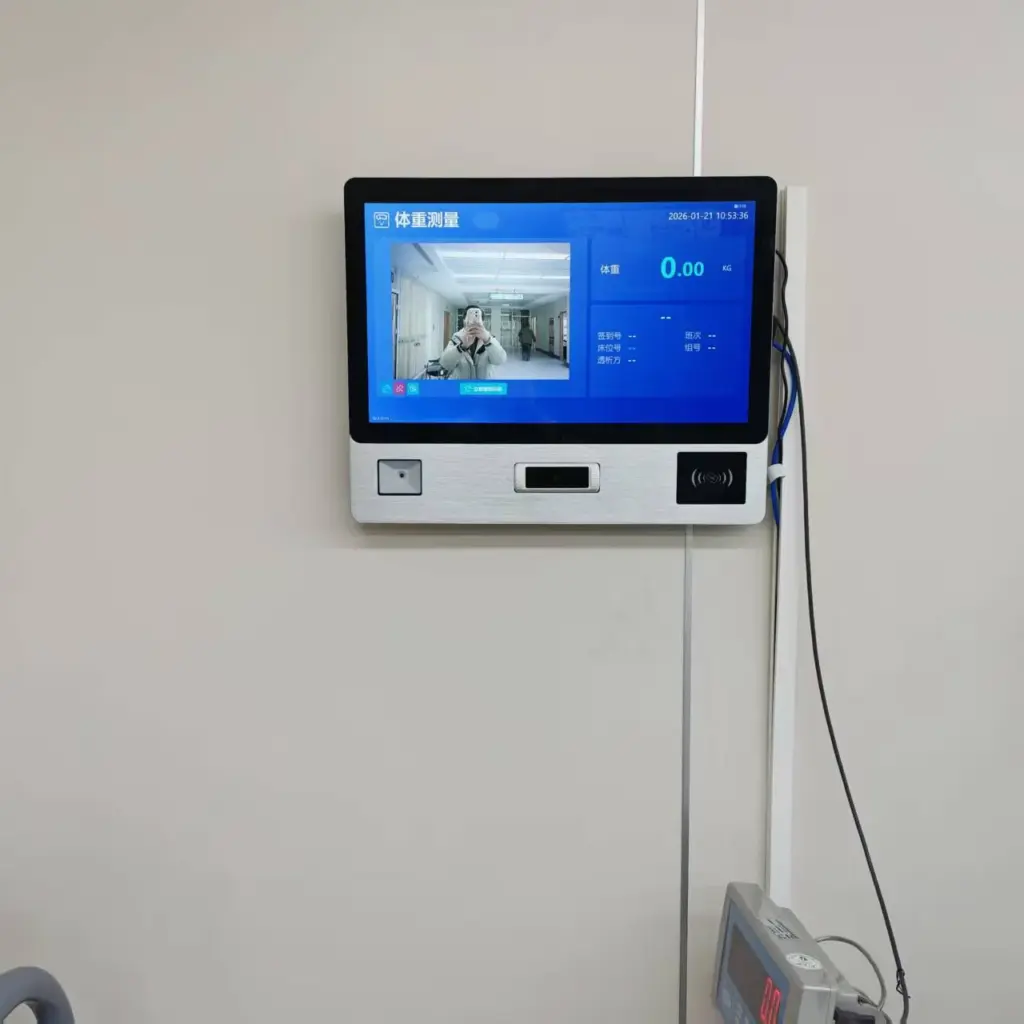
Each touch screen type uses distinct sensing technology to read your movements. Dù vậy, all touch screens follow a three-step signal process to respond to your touch. Learning these mechanisms lets you match proper touch screen hardware for your project. This article explains how a touch screen functions, breaks down two primary types and shares their separate working rules.
The General Three-Step Working Process of Any Touch Screen
No matter which touch screen you use, it completes interaction through three consistent simple stages.
1. Capture touch signals on the panel surface
Thin sensing layers sit right below the touch screen’s outer glass. These layers stay active once the device powers on. They constantly scan the whole surface to spot any valid contact.
2. Calculate accurate touch coordinates
After detecting contact, the screen sends weak electrical data to its built-in control chip. The chip computes the exact X and Y position where your finger or tool touches the panel.
3. Send signals to the main system for feedback
The chip passes coordinate data to the device’s core processor. The system matches the position to on-screen buttons or menus, then refreshes the display to show your selected action instantly.
How Capacitive Touch Screens Work
Capacitive touch screens stand as the most common type for indoor commercial terminals and consumer devices. They rely on human body electrical charges to run.
1. Static electric field setup
A thin conductive layer builds a uniform electrostatic field across the whole screen surface when powered up. The field stays steady with no human contact on the glass.
2. Charge shift from finger contact
Human skin holds small natural electric charges. When your bare finger touches the glass, it pulls a tiny portion of charge from the screen’s conductive layer.
3. Locate touch points via charge balance changes
Sensors at each screen corner track uneven charge distribution. The chip compares data from all four corners to find your precise touch spot and trigger quick response.
How Resistive Touch Screens Work
Resistive touch screens fit industrial workshops and sites where users wear gloves. They use physical pressure to trigger signals instead of electric charges.
1. Two separated conductive film layers
Two flexible conductive films sit inside the screen with a narrow air gap between them. No signal generates when nothing presses the outer layer.
2. Pressure forces layer contact
Gloved fingers, styluses or hard tools push the top film down until it touches the bottom conductive layer. This touch creates a closed electrical circuit.
3. Circuit data maps touch location
Current flows through the connected film layers once pressed. The control chip reads voltage values to work out where pressure hits the screen surface.
Key Differences in Working Mechanisms Between the Two Touch Screen Types
Their distinct working rules create clear gaps in operation limits and environmental suitability.
1. Trigger source requirements
Capacitive models only react to bare conductive skin. Resistive screens accept pressure from gloves, plastic pens and nearly all solid objects.
2. Signal response speed
Capacitive touch screens capture minor charge shifts instantly for smooth multi-touch sliding. Resistive screens need slight pressure so they deliver slower single-point response.
3. Tolerance to harsh environments
Resistive internal layers seal well against dust and light moisture. Dust or water drops break the electrostatic field and disrupt capacitive touch screen signals easily.
FAQs About How a Touch Screen Works
Q1: Why do gloved hands fail to operate capacitive touch screens?
A1: Gloves block natural electric charges from your skin. No charge shift happens on the screen’s conductive layer, so the chip cannot detect valid touch signals.
Q2: Can a touch screen still work if small dust covers its surface?
A2: Resistive touch screens run normally with light dust buildup. Dust disturbs the electrostatic field and causes lag or misalignment on capacitive touch screens.
Q3: Do all touch screens follow the same three-step signal process?
A3: Đúng. Every functional touch screen captures contact, calculates coordinates and sends data to the main device system to create visual feedback.
Q4: Which touch screen technology supports multi-touch gestures?
A4: Capacitive touch screen technology supports multi-point sliding, pinching and zoom gestures. Resistive screens only register one touch point at a single time.
Q5: What part inside a touch screen controls signal calculation?
A5: A dedicated touch control chip processes electrical data from the sensing layers and computes exact touch coordinates for the host system.
Phần kết luận
Tóm lại, every touch screen works through three core stages: signal capture, coordinate calculation and system feedback. Capacitive touch screens depend on electrostatic charge shifts from bare fingers for fast multi-touch operation, ideal for clean commercial spaces. Resistive touch screens use physical pressure between double conductive films and support gloved operation, matching dusty industrial working sites. Knowing how each touch screen type operates lets you pick hardware that matches your daily environment and operation habits.
If you need durable, scenario-fit touch screen hardware for your industrial equipment or self-service terminals, fill out the inquiry form on our official website. Share your working environment and operation needs, and our team will craft professional touch screen solutions for your project.