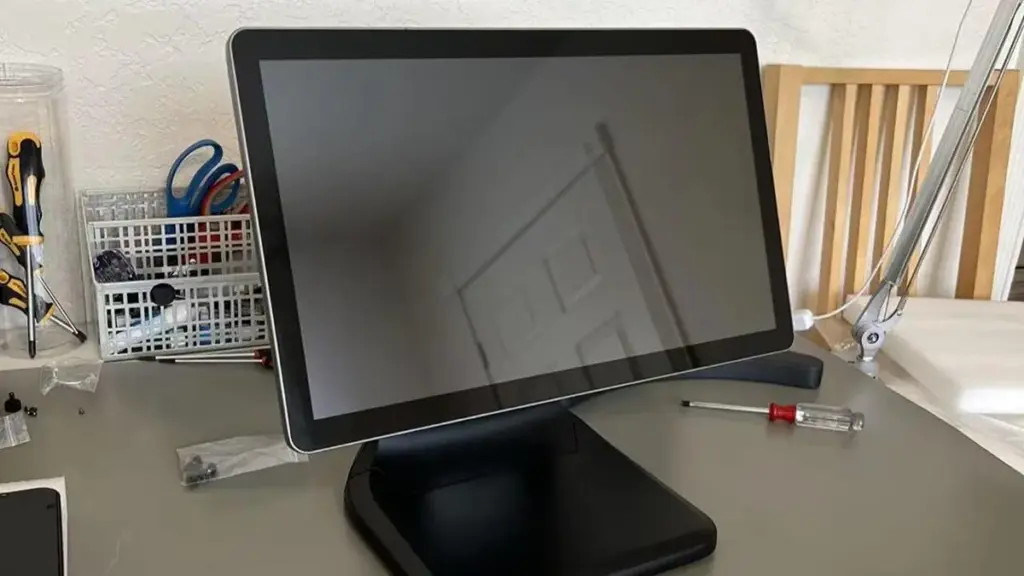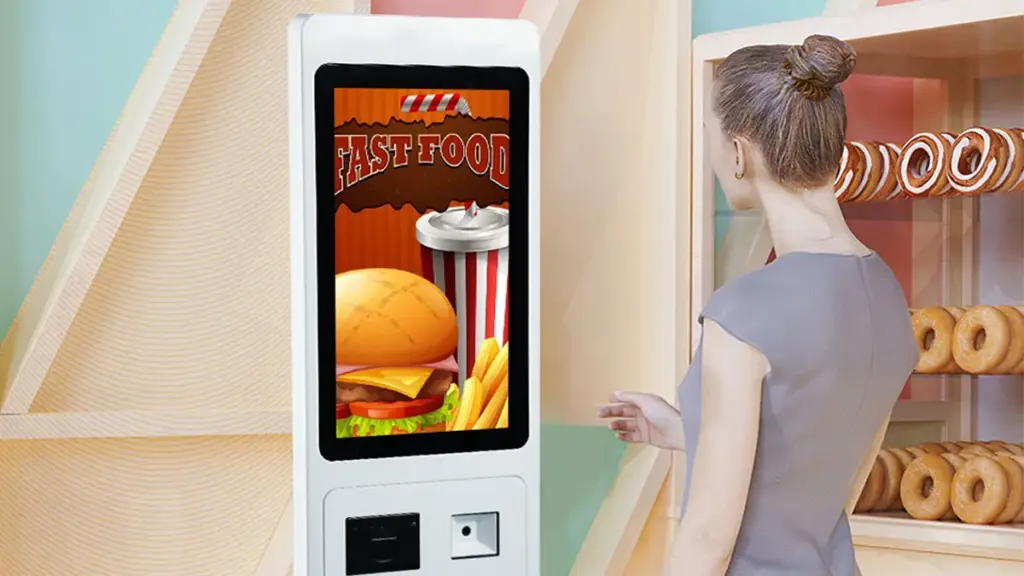
タッチスクリーンはセルフサービスおよび産業用デバイスの中核となる対話型部品として機能します. マウスやボタンを使わずに表面をタップまたはスライドして注文を送信します. ほとんどの人はタッチスクリーンを毎日使用していますが、内部の操作ロジックを学習したことがありません.
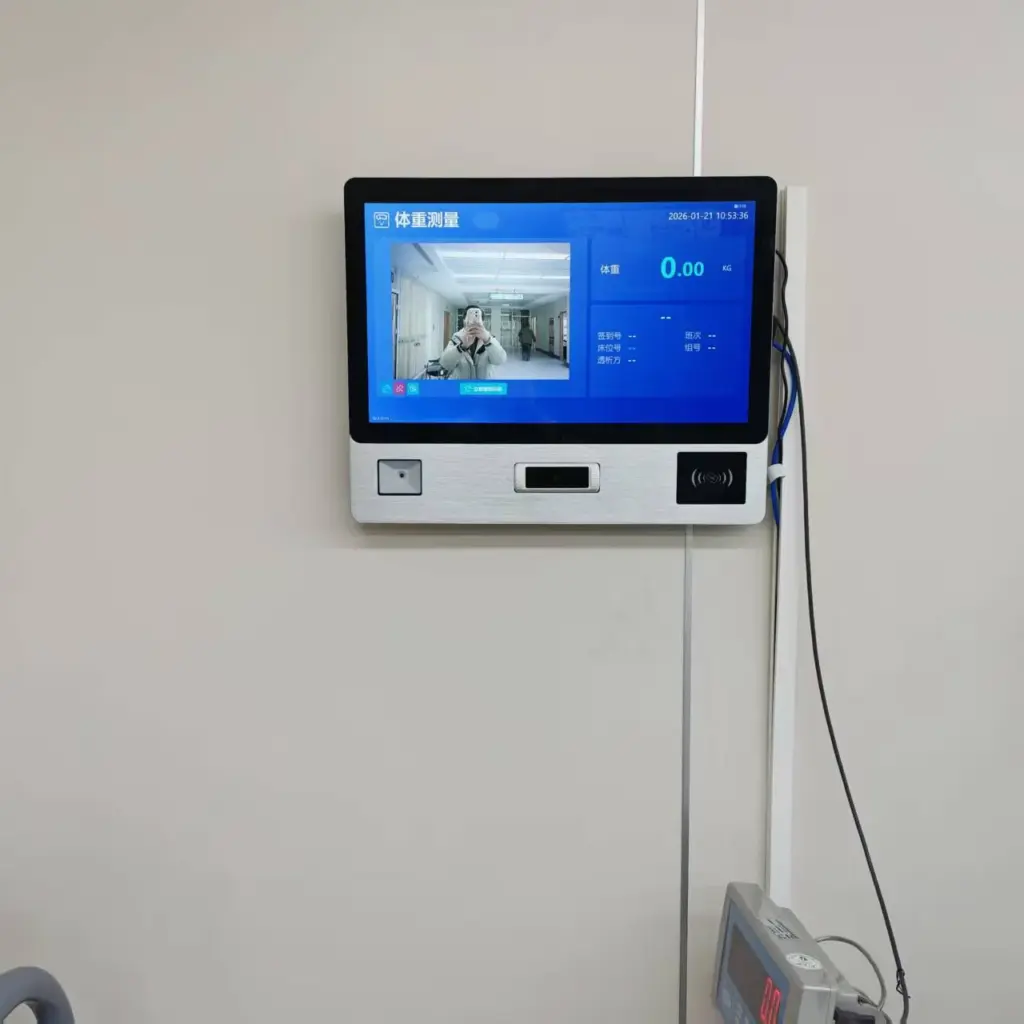
各タイプのタッチ スクリーンは、異なるセンシング技術を使用して動きを読み取ります。. それでも, すべてのタッチ スクリーンは 3 段階の信号プロセスに従ってタッチに応答します。. これらのメカニズムを学ぶことで、プロジェクトに適切なタッチ スクリーン ハードウェアを適合させることができます。. この記事では、タッチ スクリーンの機能について説明します。, 2 つの主要なタイプを分類し、それぞれの個別の作業ルールを共有します.
タッチ スクリーンの一般的な 3 ステップの作業プロセス
どのタッチスクリーンを使用しても, 一貫した 3 つのシンプルな段階を通じてインタラクションを完了します.
1. タッチ信号をパネル面で取り込む
薄いセンシング層がタッチスクリーンの外側ガラスの真下に配置されています. これらのレイヤーは、デバイスの電源がオンになるとアクティブなままになります。. 常に表面全体をスキャンして、有効な接触を見つけます。.
2. 正確なタッチ座標を計算する
接触検知後, スクリーンは、内蔵の制御チップに微弱な電気データを送信します。. チップは、指またはツールがパネルに触れた正確な X および Y 位置を計算します。.
3. フィードバックのためにメイン システムに信号を送信します。
チップは座標データをデバイスのコアプロセッサに渡します. システムは位置を画面上のボタンまたはメニューと一致させます, 表示を更新すると、選択したアクションが即座に表示されます.
静電容量式タッチスクリーンの仕組み
静電容量式タッチ スクリーンは、屋内商用端末および民生用デバイスで最も一般的なタイプです。. 彼らは人体の電荷に依存して動作します.
1. 静電界の設定
電源を入れると、薄い導電層が画面表面全体に均一な静電場を形成します。. ガラス上に人間が接触することなく、フィールドは安定した状態を保ちます。.
2. 指接触による電荷移動
人間の皮膚は小さな自然電荷を保持しています. 素指がガラスに触れたら, スクリーンの導電層から電荷のごく一部を引き出します。.
3. チャージバランスの変更によりタッチポイントを特定
画面の各隅にあるセンサーが不均一な電荷分布を追跡します. チップは四隅すべてのデータを比較して、正確なタッチ スポットを見つけ、素早い応答をトリガーします。.
抵抗膜式タッチスクリーンの仕組み
抵抗式タッチスクリーンは、ユーザーが手袋を着用する工場や現場に適合します. 電荷の代わりに物理的な圧力を使用して信号をトリガーします。.
1. 分離された 2 つの導電膜層
2 つの柔軟な導電性フィルムがスクリーンの内側にあり、その間に狭い空隙があります。. 外層を何も圧迫しない場合には信号は生成されません.
2. 圧力により層が接触する
手袋をした指, スタイラスや硬い工具で上部のフィルムを下部の導電層に接触するまで押し下げます。. この接触により閉回路が形成されます.
3. 回路データはタッチ位置をマップします
押されると、接続されたフィルム層を通って電流が流れます。. 制御チップは電圧値を読み取り、圧力がスクリーン表面に当たる場所を特定します。.
2 つのタッチ スクリーン タイプの動作メカニズムの主な違い
彼らの独特の作業ルールは、操作限界と環境適合性において明らかなギャップを生み出します。.
1. トリガーソースの要件
静電容量モデルは裸の導電性皮膚にのみ反応します. 抵抗スクリーンは手袋からの圧力を受け入れます, プラスチックのペンとほぼすべての固体物.
2. 信号応答速度
静電容量式タッチスクリーンはわずかな電荷変化を瞬時に捕捉し、スムーズなマルチタッチスライドを実現します。. 抵抗スクリーンはわずかな圧力を必要とするため、単一点応答が遅くなります。.
3. 過酷な環境に対する耐性
内部の抵抗層が埃や軽い湿気に対してしっかりと密閉します. ほこりや水滴により静電界が破壊され、静電容量式タッチ スクリーンの信号が簡単に中断されます。.
タッチスクリーンの仕組みに関するよくある質問
Q1: 手袋をした手では静電容量式タッチスクリーンを操作できないのはなぜですか?
A1: 手袋は皮膚からの自然電荷をブロックします. スクリーンの導電層では電荷シフトが起こらない, そのため、チップは有効なタッチ信号を検出できません.
第2四半期: タッチ スクリーンの表面に小さな塵が付着している場合でも、タッチ スクリーンは動作しますか??
A2: 抵抗性タッチ スクリーンは正常に動作しますが、軽い埃が蓄積しています. ほこりは静電界を乱し、静電容量式タッチスクリーンの遅れや位置ずれの原因になります。.
Q3: すべてのタッチ スクリーンは同じ 3 ステップの信号プロセスに従いますか??
A3: はい. すべての機能タッチ スクリーンが接触をキャプチャします, 座標を計算し、データをメインデバイスシステムに送信して視覚的なフィードバックを作成します.
Q4: マルチタッチ ジェスチャをサポートするタッチ スクリーン テクノロジーはどれですか?
A4: 静電容量式タッチスクリーンテクノロジーはマルチポイントスライドをサポートします, ピンチとズームのジェスチャ. 抵抗膜スクリーンは一度に 1 つのタッチ ポイントのみを登録します.
Q5: タッチスクリーン内のどの部分が信号計算を制御するのか?
A5: 専用のタッチ コントロール チップがセンシング レイヤーからの電気データを処理し、ホスト システムの正確なタッチ座標を計算します。.
結論
総括する, すべてのタッチ スクリーンは 3 つのコア ステージを通じて動作します。: 信号捕捉, 座標計算とシステムフィードバック. 静電容量式タッチ スクリーンは、裸の指からの静電荷の移動に依存して、高速マルチタッチ操作を実現します。, 清潔な商業スペースに最適. 抵抗式タッチスクリーンは二重導電性フィルム間に物理的圧力を使用し、手袋をしたままの操作をサポートします。, 粉塵の多い産業作業現場にマッチ. 各タッチ スクリーンの種類がどのように動作するかを理解することで、日常の環境や操作習慣に合ったハードウェアを選択できます。.
耐久性が必要な場合, 産業機器やセルフサービス端末向けのシナリオに適合したタッチ スクリーン ハードウェア, 公式サイトのお問い合わせフォームにご記入ください. 作業環境や運用上のニーズを共有する, 私たちのチームはあなたのプロジェクトに合わせてプロフェッショナルなタッチスクリーンソリューションを作成します.