Salta al contenuto

A touch hardware supply chain covers the people, materiali, and production stages behind a finished touch display. Per acquirenti OEM e integratori di sistemi, knowing how this chain works helps them assess supplier capabilities, control lead times, and manage product quality. The key is not just finding a factory that can assemble a monitor, but understanding which stages it handles in-house and which depend on outside suppliers.

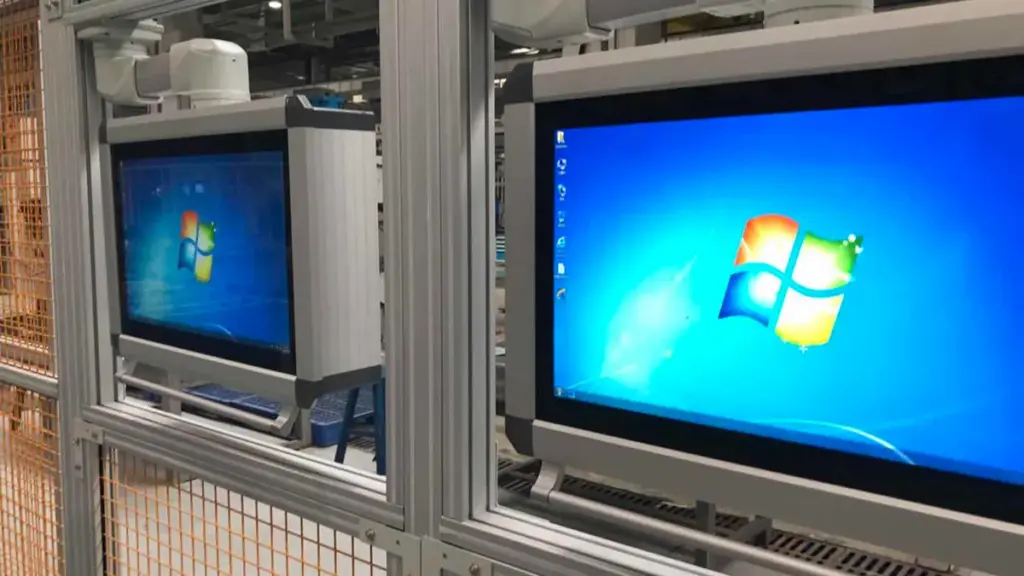
What Does a Touch Hardware Supply Chain Include?
A touch hardware supply chain usually covers five main stages, from touch panel production to final product inspection. Each stage affects product performance, production schedules, e controllo di qualità.
- Touch sensor processing: Sensor film or glass is bonded to cover glass or the display stack to create the touch panel.
- Structural fabrication: Sheet metal forms the chassis and brackets, while aluminium machining produces bezels and frames.
- Electronic components: Mainboards, alimentatori, schede di interfaccia, and cables provide the required hardware connections.
- Product integration: Engineers match touch controllers, configure firmware, and fit the sub-assemblies into the enclosure.
- Final inspection and packing: Finished units go through functional checks, prove di invecchiamento, imballaggio, and document preparation.
Not every manufacturer produces every component. Visualizza celle, driver ICs, and some electronic parts usually come from specialist suppliers. Their availability and production schedules can affect the final delivery date.
A product specification sheet helps buyers understand these requirements before ordering. Per esempio, IL touch screen monitor range shows different product configurations, interfacce, and enclosure options.
Which Touch Hardware Sourcing Model Fits Your Project?
Manufacturers use different sourcing models depending on their equipment, production capabilities, and business structure. Three common models are contract assembly, partial integration, and vertical integration.
| Sourcing Model | What the Supplier Controls | Buyer Coordination |
|---|---|---|
| Assemblaggio del contratto | Final assembly, Test, e imballaggio | Alto |
| Integrazione parziale | Selected processes, such as structural fabrication and assembly | Medio |
| Integrazione verticale | Multiple stages, such as touch panel work, machining, assemblaggio, and testing | Lower for in-house processes |
Assemblaggio del contratto suits buyers who already have approved component suppliers or need a flexible assembly partner. Tuttavia, they must coordinate more suppliers and manage communication between production stages.
Integrazione parziale gives buyers a balance between internal manufacturing and external sourcing. The supplier controls selected processes but still depends on outside partners for other components.
Integrazione verticale brings more production stages under one management system. It can simplify engineering changes and reduce communication between suppliers. Tuttavia, buyers should still check which components are purchased externally and whether the factory has enough capacity.
No model is suitable for every project. The right choice depends on order volume, product complexity, customization needs, and the level of supply chain control required.
How Does Supply Chain Structure Affect Lead Time and Cost?
Supply chain structure affects how quickly a manufacturer can respond to production changes and component delays.
When several companies handle different stages, each handoff may add time for communication, inspection, purchasing, and delivery. If structural fabrication and assembly operate under one production plan, some tasks can run at the same time. Per esempio, a housing can be machined while the touch panel is being laminated.
Cost also depends on more than the number of in-house processes. Vertical integration does not remove the cost of glass, patatine, or electronic boards purchased from component suppliers. Its main value often comes from better coordination, fewer external handoffs, and easier engineering changes.
For small orders, a delayed replacement component can have a greater effect because there may be no spare sub-assembly available. Buyers should also consider tooling, engineering fees, and customization costs when comparing quotations.
For custom projects, TouchWo’s OEM/ODM process explains how product requirements, progetto, and production are managed. You can also visit the TouchWo homepage to review its touch display and hardware solutions.

Who Is Responsible for Quality and Supply Chain Traceability?
Quality responsibility should be clear at every production stage. When a defect appears after delivery, buyers need to know which batch was affected, where the component came from, and who handled the inspection.
Two types of documents are especially important:
- Product certificates: Identify the product model and the standards or tests it meets.
- Management system certificates: Show how a factory manages its production and quality processes. Iso 9001 is an example of a quality management system standard.
Buyers should also request incoming inspection records, batch information, and a bill of materials that identifies component origins. These records help trace defects and support supplier audits.
For shipments to the United States, importers may also need supply chain documents to assess compliance with the Uyghur Forced Labor Prevention Act (UFLPA). This requirement can involve materials and components from upstream suppliers, not only the final assembled product.
Testing records are equally important. Ask whether the manufacturer checks purchased components before assembly and keeps finished-product test results. TouchWo outlines its inspection methods in its guide to how industrial touch screen monitors are tested before shipment.
How Can You Verify a Touch Hardware Supplier’s Capabilities?
A supplier’s capability claims should be supported by production records, equipment, and clear answers. Before placing an order, buyers can check the following points:
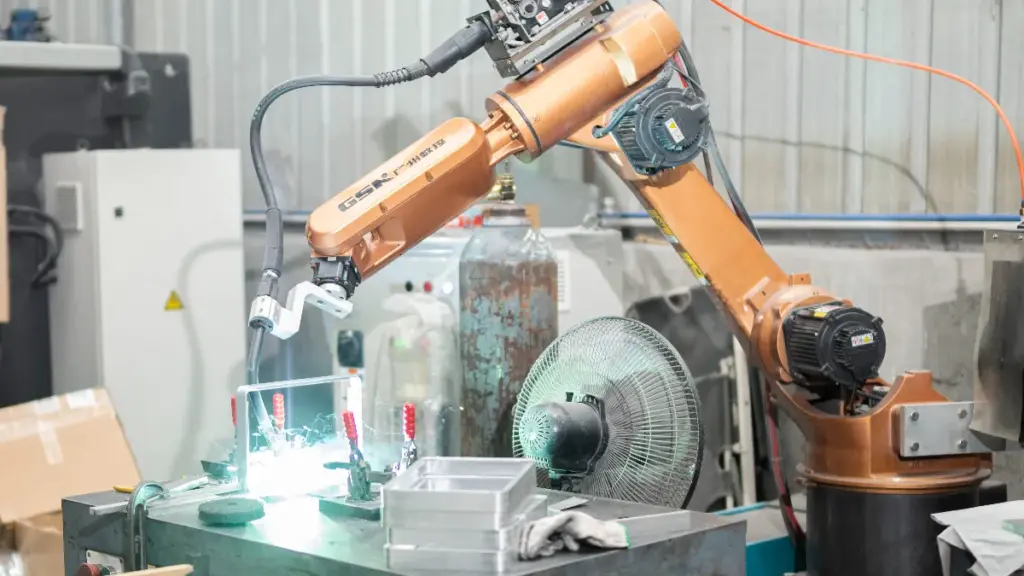
- Touch panel production: Ask about the lamination environment, bonding methods, and which processes are handled in-house.
- Machining capacity: Check which aluminium frames, sheet metal parts, and brackets are produced internally.
- Component inspection: Request an example of the incoming inspection records used for purchased parts.
- Assembly capacity: Review the number of production lines, available staff, and output capacity.
- Material traceability: Ask for a bill of materials that identifies component suppliers and origins.
- Engineering changes: Confirm who updates drawings and how revisions reach the production line.
A reliable supplier should be able to explain both its internal capabilities and its reliance on external partners. Buyers should not treat outsourced production as an automatic problem. What matters is whether the supplier can manage those partners and take responsibility for the finished product.
A factory visit or production video can help confirm the information, but buyers should also review actual records and discuss how the supplier handles defects, ritardi, and design changes.
How Does TouchWo Manage Its Touch Hardware Supply Chain?
TouchWo operates five core in-house production systems covering R&disegno D, produzione di pannelli touch, lavorazione della lamiera, aluminium alloy machining, e assemblaggio completo del PC. This structure allows different production stages to work under a shared management system.
Its published manufacturing capabilities include a Class 100 dust-free lamination workshop, G+G and G+FF bonding, TP+LCM full lamination, precision aluminium machining, and more than 11 PC assembly lines.
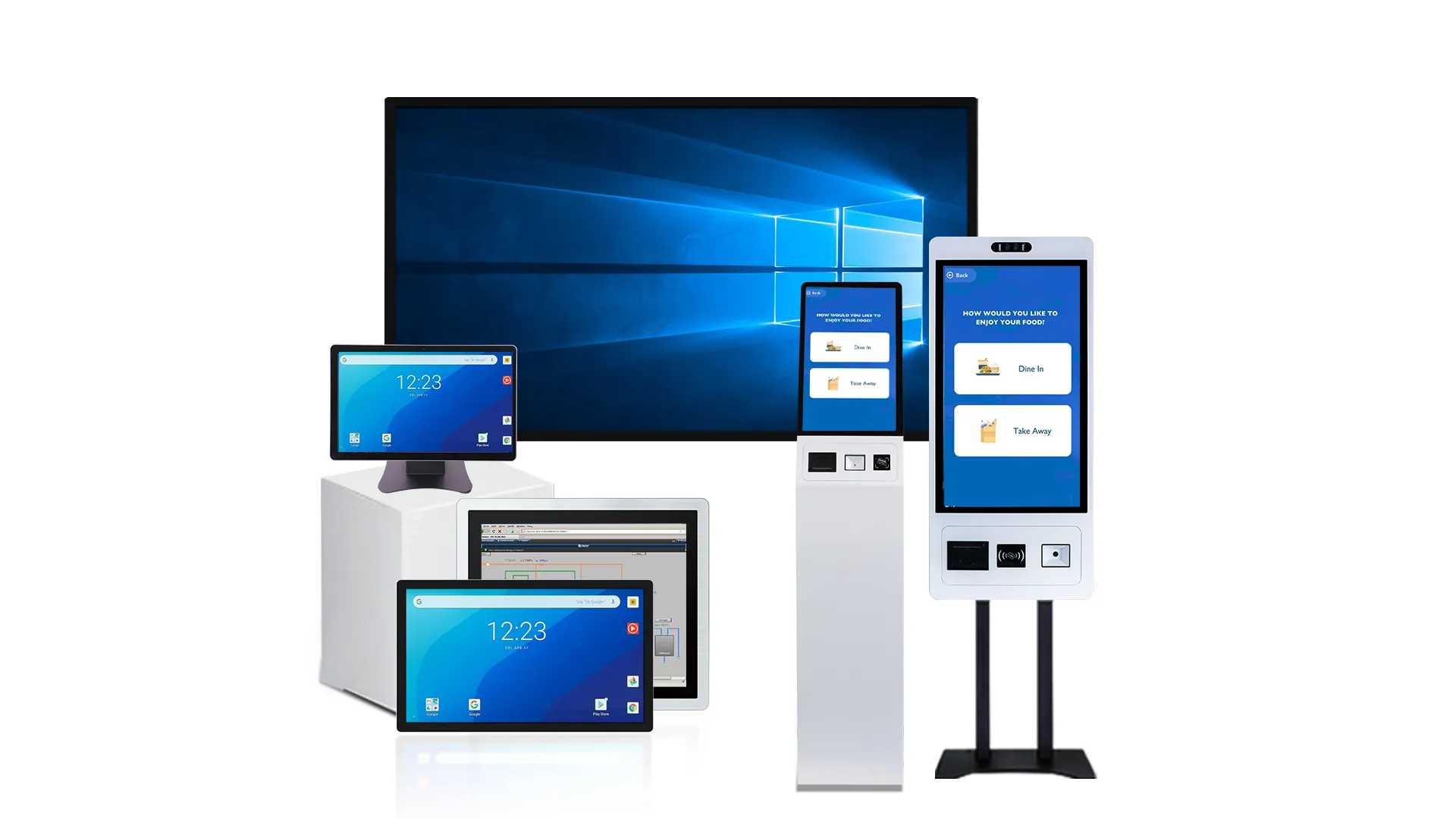
TouchWo’s official company information also lists more than 300 employees, an annual production capacity above 200,000 unità, and over 30,000 Clienti del settore. These capabilities support projects involving touch monitors, PC a pannello, and self-service kiosks.
Tuttavia, in-house production does not mean every component is manufactured internally. Visualizza celle, driver ICs, and many peripherals still come from specialist suppliers. Buyers should assess these external supply arrangements alongside the factory’s own production capabilities.
For OEMs, integratori di sistema, and equipment manufacturers, this combination of internal production and external component sourcing provides a clear basis for discussing customization, controllo di qualità, and delivery planning.
Domande frequenti
Quali sono le fasi di una catena di fornitura di hardware touch?
Laminazione del sensore tattile, fabbricazione strutturale in lamiera o alluminio, fornitura elettronica, integrazione di tali parti in un unico alloggiamento, e verifica in uscita prima dell'imballaggio. Ogni fase consegna un oggetto diverso a quella successiva, e ogni trasferimento è un luogo in cui la proprietà può cambiare. I produttori dei componenti dietro il pannello del display siedono a monte di tutti e cinque.
Un produttore integrato verticalmente è sempre la scelta più sicura?
Non sempre. L'integrazione riduce il ciclo di modifiche hardware e mantiene i record di qualità in un unico posto, che conta di più per lavori meccanici personalizzati e piccoli lotti. Un partner di assemblaggio a contratto può essere la soluzione migliore quando il tuo progetto è risolto, quando i volumi sono grandi, o quando disponi già di fornitori approvati per sensori e custodie.
In che modo la struttura della catena di fornitura influisce sui tempi di consegna?
Ogni confine del proprietario aggiunge il proprio periodo di attesa, perché il lavoro attraversa un ordine di acquisto piuttosto che una pianificazione condivisa. Le fasi di un piano possono sovrapporsi, in questo modo è possibile lavorare un telaio mentre il sensore è ancora in fase di laminazione. I tempi di consegna dei componenti continuano a essere validi in entrambi i casi, dal vetro, tavole, e i controller vengono acquistati da produttori specializzati.
Quali documenti mostrano chi possiede effettivamente un palco?
Richiedi l'elenco delle attrezzature dietro il palco, il formato del record di ispezione in entrata per le parti acquistate, e una distinta base che nomina le origini. Questi tre sono difficili da inventare e veloci da produrre quando esiste la capacità. Un contatto nominato che possa rispondere per il palco è un quarto segnale che vale la pena registrare.
TouchWo realizza tutti i componenti dei suoi monitor?
NO. La pagina Informazioni elenca cinque catene di fornitura interne che coprono la laminazione dei pannelli touch, lavorazione della lamiera, lavorazione dell'alluminio, e assemblaggio finale, e la pagina Competenza descrive dieci test sui prodotti finiti. Visualizza celle, chip del driver, e la maggior parte delle periferiche vengono acquistate da fornitori di componenti, come lo sono per ogni assemblatore di questa categoria.