コンテンツにスキップ

A touch hardware supply chain covers the people, 材料, and production stages behind a finished touch display. OEMバイヤーおよびシステムインテグレータ向け, knowing how this chain works helps them assess supplier capabilities, control lead times, and manage product quality. The key is not just finding a factory that can assemble a monitor, but understanding which stages it handles in-house and which depend on outside suppliers.

What Does a Touch Hardware Supply Chain Include?
A touch hardware supply chain usually covers five main stages, from touch panel production to final product inspection. Each stage affects product performance, production schedules, および品質管理.
- Touch sensor processing: Sensor film or glass is bonded to cover glass or the display stack to create the touch panel.
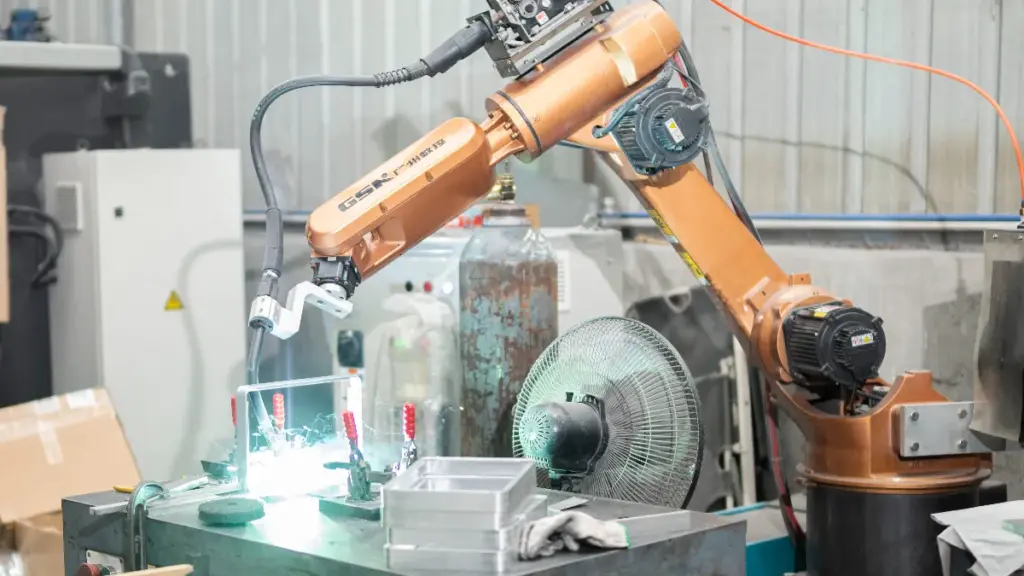
- Structural fabrication: Sheet metal forms the chassis and brackets, while aluminium machining produces bezels and frames.
- Electronic components: Mainboards, 電源, インターフェースボード, and cables provide the required hardware connections.
- Product integration: Engineers match touch controllers, configure firmware, and fit the sub-assemblies into the enclosure.
- Final inspection and packing: Finished units go through functional checks, 老化試験, パッキング, and document preparation.
Not every manufacturer produces every component. 表示セル, driver ICs, and some electronic parts usually come from specialist suppliers. Their availability and production schedules can affect the final delivery date.
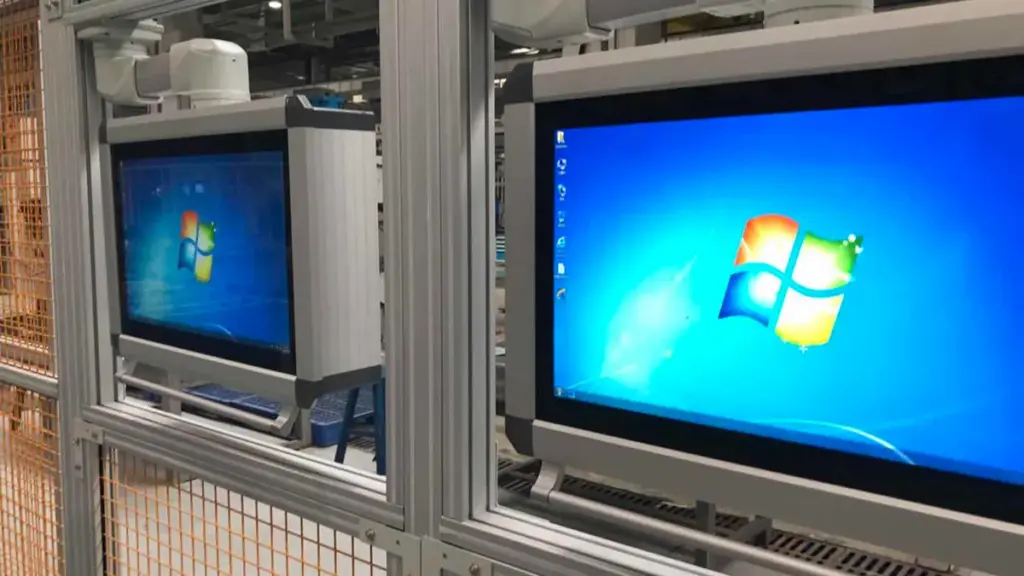
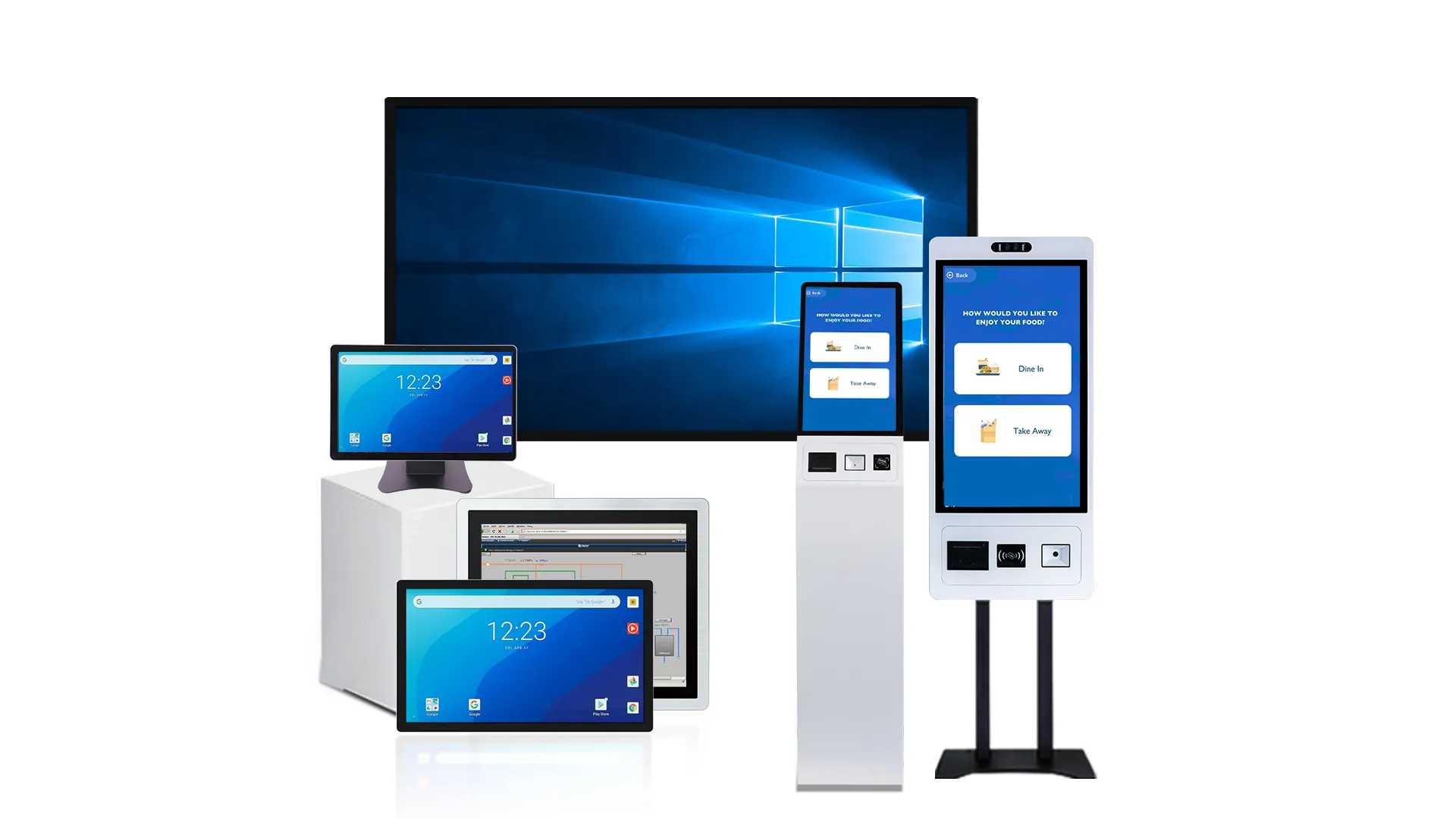
A product specification sheet helps buyers understand these requirements before ordering. 例えば, the touch screen monitor range shows different product configurations, インターフェース, and enclosure options.
Which Touch Hardware Sourcing Model Fits Your Project?
Manufacturers use different sourcing models depending on their equipment, production capabilities, and business structure. Three common models are contract assembly, partial integration, and vertical integration.
| Sourcing Model | What the Supplier Controls | Buyer Coordination |
|---|---|---|
| 受託組立 | Final assembly, テスト, そして梱包 | 高い |
| 部分的な統合 | Selected processes, such as structural fabrication and assembly | 中くらい |
| 垂直統合 | Multiple stages, such as touch panel work, machining, 組み立て, and testing | Lower for in-house processes |
受託組立 suits buyers who already have approved component suppliers or need a flexible assembly partner. しかし, they must coordinate more suppliers and manage communication between production stages.
部分的な統合 gives buyers a balance between internal manufacturing and external sourcing. The supplier controls selected processes but still depends on outside partners for other components.
垂直統合 brings more production stages under one management system. It can simplify engineering changes and reduce communication between suppliers. しかし, buyers should still check which components are purchased externally and whether the factory has enough capacity.
No model is suitable for every project. The right choice depends on order volume, product complexity, customization needs, and the level of supply chain control required.
How Does Supply Chain Structure Affect Lead Time and Cost?
Supply chain structure affects how quickly a manufacturer can respond to production changes and component delays.
When several companies handle different stages, each handoff may add time for communication, inspection, purchasing, and delivery. If structural fabrication and assembly operate under one production plan, some tasks can run at the same time. 例えば, a housing can be machined while the touch panel is being laminated.
Cost also depends on more than the number of in-house processes. Vertical integration does not remove the cost of glass, チップ, or electronic boards purchased from component suppliers. Its main value often comes from better coordination, fewer external handoffs, and easier engineering changes.
For small orders, a delayed replacement component can have a greater effect because there may be no spare sub-assembly available. Buyers should also consider tooling, engineering fees, and customization costs when comparing quotations.
For custom projects, TouchWo’s OEM/ODM process explains how product requirements, デザイン, and production are managed. You can also visit the TouchWo homepage to review its touch display and hardware solutions.

Who Is Responsible for Quality and Supply Chain Traceability?
Quality responsibility should be clear at every production stage. When a defect appears after delivery, buyers need to know which batch was affected, where the component came from, and who handled the inspection.
Two types of documents are especially important:
- Product certificates: Identify the product model and the standards or tests it meets.
- Management system certificates: Show how a factory manages its production and quality processes. ISO 9001 is an example of a quality management system standard.
Buyers should also request incoming inspection records, batch information, and a bill of materials that identifies component origins. These records help trace defects and support supplier audits.
For shipments to the United States, importers may also need supply chain documents to assess compliance with the Uyghur Forced Labor Prevention Act (UFLPA). This requirement can involve materials and components from upstream suppliers, not only the final assembled product.
Testing records are equally important. Ask whether the manufacturer checks purchased components before assembly and keeps finished-product test results. TouchWo outlines its inspection methods in its guide to how industrial touch screen monitors are tested before shipment.
How Can You Verify a Touch Hardware Supplier’s Capabilities?
A supplier’s capability claims should be supported by production records, equipment, and clear answers. Before placing an order, buyers can check the following points:
- Touch panel production: Ask about the lamination environment, bonding methods, and which processes are handled in-house.
- Machining capacity: Check which aluminium frames, sheet metal parts, and brackets are produced internally.
- Component inspection: Request an example of the incoming inspection records used for purchased parts.
- Assembly capacity: Review the number of production lines, available staff, and output capacity.
- Material traceability: Ask for a bill of materials that identifies component suppliers and origins.
- Engineering changes: Confirm who updates drawings and how revisions reach the production line.
A reliable supplier should be able to explain both its internal capabilities and its reliance on external partners. Buyers should not treat outsourced production as an automatic problem. What matters is whether the supplier can manage those partners and take responsibility for the finished product.
A factory visit or production video can help confirm the information, but buyers should also review actual records and discuss how the supplier handles defects, 遅れ, and design changes.
How Does TouchWo Manage Its Touch Hardware Supply Chain?
TouchWo operates five core in-house production systems covering R&ディーデザイン, タッチパネル製造, 板金処理, aluminium alloy machining, 完全なPCアセンブリ. This structure allows different production stages to work under a shared management system.
Its published manufacturing capabilities include a Class 100 dust-free lamination workshop, G+G and G+FF bonding, TP+LCM full lamination, precision aluminium machining, and more than 11 PC assembly lines.
TouchWo’s official company information also lists more than 300 employees, an annual production capacity above 200,000 ユニット, and over 30,000 業界の顧客. These capabilities support projects involving touch monitors, パネルPC, and self-service kiosks.
しかし, in-house production does not mean every component is manufactured internally. 表示セル, driver ICs, and many peripherals still come from specialist suppliers. Buyers should assess these external supply arrangements alongside the factory’s own production capabilities.
For OEMs, system integrators, and equipment manufacturers, this combination of internal production and external component sourcing provides a clear basis for discussing customization, 品質管理, and delivery planning.
よくある質問
タッチ ハードウェアのサプライ チェーンの段階は何ですか?
タッチセンサー積層, 板金またはアルミニウムの構造製作, 電子機器の供給, それらの部品を一つの筐体に統合, 梱包前の出荷確認. 各ステージでは異なるオブジェクトが次のステージに渡されます, そして、引き継ぎのたびに所有権が変わる可能性があります. ディスプレイパネルの背後にある部品メーカーは、5 社すべての上流に位置しています。.
垂直統合型のメーカーは常により安全な選択です?
常にではありません. 統合によりハードウェア変更のループが短縮され、品質記録が 1 か所に保存されます, これはカスタム機械作業や小規模バッチにとって最も重要です. 設計が固定されている場合は、契約組立パートナーが最適である可能性があります, ボリュームが大きい場合, またはセンサーとハウジングの承認済みサプライヤーをすでに保有している場合.
サプライチェーン構造はリードタイムにどのような影響を与えるか?
所有者の境界ごとに独自の待機期間が追加されます, 仕事は共有スケジュールではなく発注書にまたがるからです. 1 つの計画のステージは重複する可能性があります, そのため、センサーをラミネートしている間にフレームを機械加工することができます。. コンポーネントのリードタイムはどちらの場合でも適用されます, ガラス以来, ボード, コントローラーは専門メーカーから購入.
ステージの実際の所有者が誰であるかを示す文書?
ステージ裏の機材リストを聞く, 購入部品の受入検査記録フォーマット, 起源を示す部品表. これら 3 つは発明するのが厄介ですが、機能が存在すればすぐに生産できます. ステージ上で応答できる指名された連絡先は、記録する価値のある 4 番目の信号です。.
TouchWo はモニターのすべてのコンポーネントを自社で製造していますか??
いいえ. Aboutページには、タッチパネルラミネートをカバーする5つの社内サプライチェーンがリストされています。, 板金作業, アルミ加工, そして最終組み立て, 専門知識のページでは、完成品に関する 10 のテストについて説明しています。. 表示セル, ドライバーチップ, ほとんどの周辺機器はコンポーネントのサプライヤーから購入されます, このカテゴリのすべてのアセンブラに当てはまります.