ข้ามไปที่เนื้อหา

A touch hardware supply chain covers the people, วัสดุ, and production stages behind a finished touch display. สำหรับผู้ซื้อ OEM และผู้วางระบบ, knowing how this chain works helps them assess supplier capabilities, control lead times, and manage product quality. The key is not just finding a factory that can assemble a monitor, but understanding which stages it handles in-house and which depend on outside suppliers.

What Does a Touch Hardware Supply Chain Include?
A touch hardware supply chain usually covers five main stages, from touch panel production to final product inspection. Each stage affects product performance, production schedules, และการควบคุมคุณภาพ.
- Touch sensor processing: Sensor film or glass is bonded to cover glass or the display stack to create the touch panel.
- Structural fabrication: Sheet metal forms the chassis and brackets, while aluminium machining produces bezels and frames.
- Electronic components: Mainboards, แหล่งจ่ายไฟ, บอร์ดอินเทอร์เฟซ, and cables provide the required hardware connections.
- Product integration: Engineers match touch controllers, configure firmware, and fit the sub-assemblies into the enclosure.
- Final inspection and packing: Finished units go through functional checks, การทดสอบความชรา, การบรรจุ, and document preparation.
Not every manufacturer produces every component. แสดงเซลล์, driver ICs, and some electronic parts usually come from specialist suppliers. Their availability and production schedules can affect the final delivery date.
A product specification sheet helps buyers understand these requirements before ordering. ตัวอย่างเช่น, ที่ touch screen monitor range shows different product configurations, อินเทอร์เฟซ, and enclosure options.
Which Touch Hardware Sourcing Model Fits Your Project?
Manufacturers use different sourcing models depending on their equipment, production capabilities, and business structure. Three common models are contract assembly, partial integration, and vertical integration.
| Sourcing Model | What the Supplier Controls | Buyer Coordination |
|---|---|---|
| ประกอบสัญญา | Final assembly, การทดสอบ, และการบรรจุ | สูง |
| บูรณาการบางส่วน | Selected processes, such as structural fabrication and assembly | ปานกลาง |
| บูรณาการในแนวตั้ง | Multiple stages, such as touch panel work, machining, การประกอบ, and testing | Lower for in-house processes |
ประกอบสัญญา suits buyers who already have approved component suppliers or need a flexible assembly partner. อย่างไรก็ตาม, they must coordinate more suppliers and manage communication between production stages.
บูรณาการบางส่วน gives buyers a balance between internal manufacturing and external sourcing. The supplier controls selected processes but still depends on outside partners for other components.
บูรณาการในแนวตั้ง brings more production stages under one management system. It can simplify engineering changes and reduce communication between suppliers. อย่างไรก็ตาม, buyers should still check which components are purchased externally and whether the factory has enough capacity.
No model is suitable for every project. The right choice depends on order volume, product complexity, customization needs, and the level of supply chain control required.
How Does Supply Chain Structure Affect Lead Time and Cost?
Supply chain structure affects how quickly a manufacturer can respond to production changes and component delays.
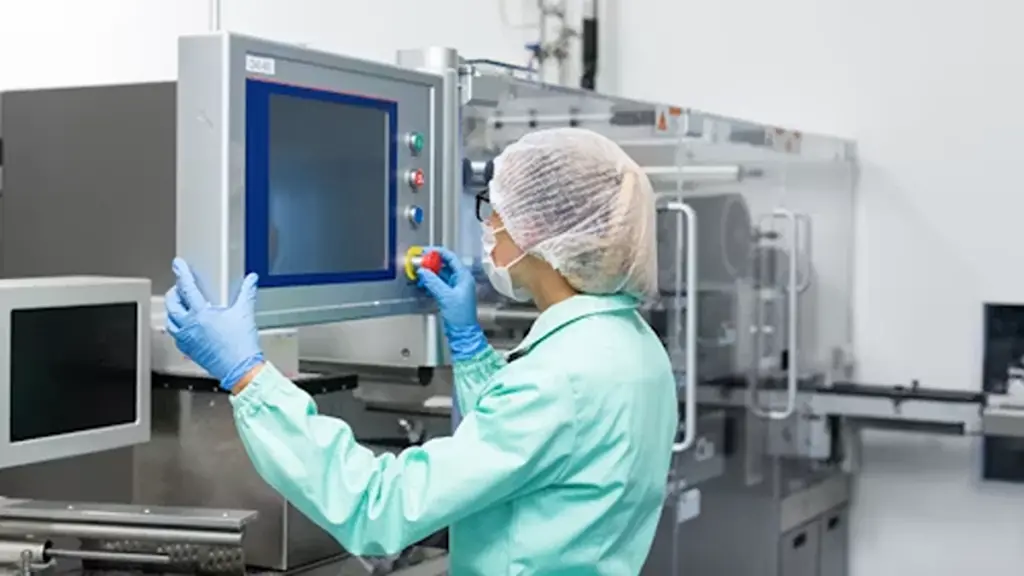
When several companies handle different stages, each handoff may add time for communication, inspection, purchasing, and delivery. If structural fabrication and assembly operate under one production plan, some tasks can run at the same time. ตัวอย่างเช่น, a housing can be machined while the touch panel is being laminated.
Cost also depends on more than the number of in-house processes. Vertical integration does not remove the cost of glass, ชิป, or electronic boards purchased from component suppliers. Its main value often comes from better coordination, fewer external handoffs, and easier engineering changes.
For small orders, a delayed replacement component can have a greater effect because there may be no spare sub-assembly available. Buyers should also consider tooling, engineering fees, and customization costs when comparing quotations.
For custom projects, TouchWo’s OEM/ODM process explains how product requirements, ออกแบบ, and production are managed. You can also visit the TouchWo homepage to review its touch display and hardware solutions.

Who Is Responsible for Quality and Supply Chain Traceability?
Quality responsibility should be clear at every production stage. When a defect appears after delivery, buyers need to know which batch was affected, where the component came from, and who handled the inspection.
Two types of documents are especially important:
- Product certificates: Identify the product model and the standards or tests it meets.
- Management system certificates: Show how a factory manages its production and quality processes. ไอเอสโอ 9001 is an example of a quality management system standard.
Buyers should also request incoming inspection records, batch information, and a bill of materials that identifies component origins. These records help trace defects and support supplier audits.
For shipments to the United States, importers may also need supply chain documents to assess compliance with the Uyghur Forced Labor Prevention Act (UFLPA). This requirement can involve materials and components from upstream suppliers, not only the final assembled product.
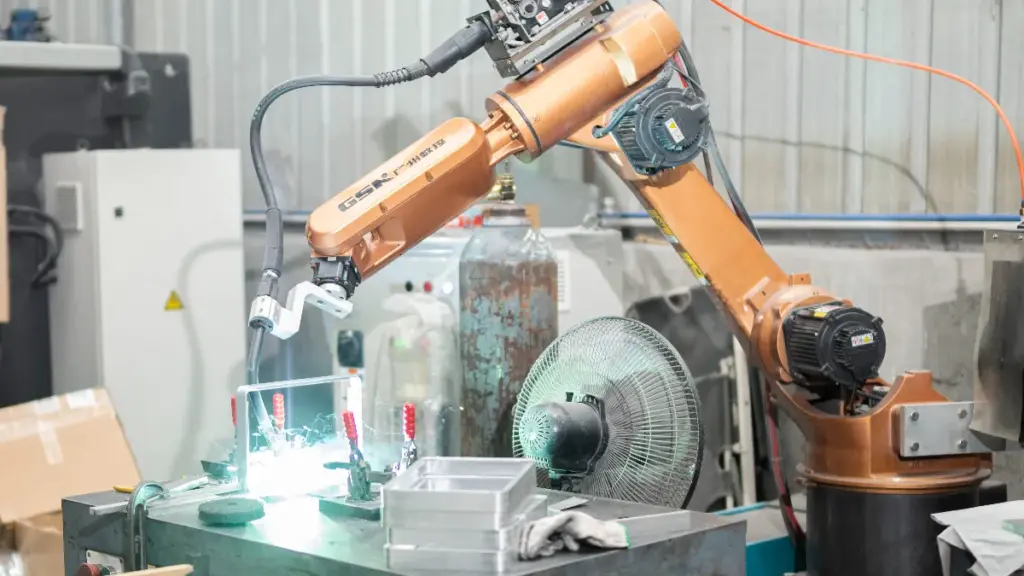
Testing records are equally important. Ask whether the manufacturer checks purchased components before assembly and keeps finished-product test results. TouchWo outlines its inspection methods in its guide to how industrial touch screen monitors are tested before shipment.
How Can You Verify a Touch Hardware Supplier’s Capabilities?
A supplier’s capability claims should be supported by production records, equipment, and clear answers. Before placing an order, buyers can check the following points:
- Touch panel production: Ask about the lamination environment, bonding methods, and which processes are handled in-house.
- Machining capacity: Check which aluminium frames, sheet metal parts, and brackets are produced internally.
- Component inspection: Request an example of the incoming inspection records used for purchased parts.
- Assembly capacity: Review the number of production lines, available staff, and output capacity.
- Material traceability: Ask for a bill of materials that identifies component suppliers and origins.
- Engineering changes: Confirm who updates drawings and how revisions reach the production line.
A reliable supplier should be able to explain both its internal capabilities and its reliance on external partners. Buyers should not treat outsourced production as an automatic problem. What matters is whether the supplier can manage those partners and take responsibility for the finished product.
A factory visit or production video can help confirm the information, but buyers should also review actual records and discuss how the supplier handles defects, ความล่าช้า, and design changes.
How Does TouchWo Manage Its Touch Hardware Supply Chain?
TouchWo operates five core in-house production systems covering R&D design, การผลิตแผงสัมผัส, การแปรรูปโลหะแผ่น, aluminium alloy machining, และประกอบพีซีให้สมบูรณ์. This structure allows different production stages to work under a shared management system.
Its published manufacturing capabilities include a Class 100 dust-free lamination workshop, G+G and G+FF bonding, TP+LCM full lamination, precision aluminium machining, and more than 11 PC assembly lines.
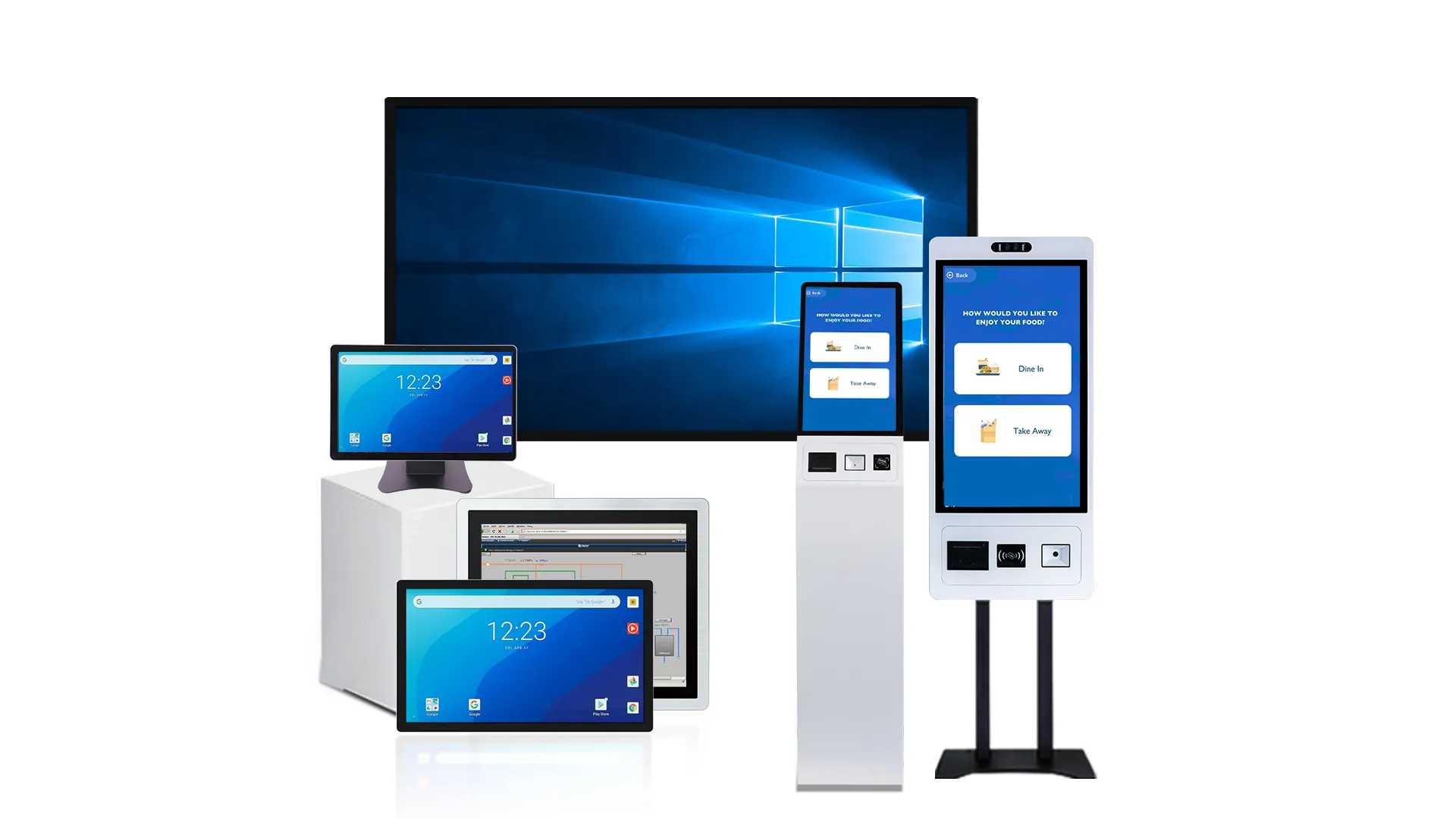
TouchWo’s official company information also lists more than 300 employees, an annual production capacity above 200,000 หน่วย, and over 30,000 ลูกค้าอุตสาหกรรม. These capabilities support projects involving touch monitors, แผงพีซี, and self-service kiosks.
อย่างไรก็ตาม, in-house production does not mean every component is manufactured internally. แสดงเซลล์, driver ICs, and many peripherals still come from specialist suppliers. Buyers should assess these external supply arrangements alongside the factory’s own production capabilities.
For OEMs, system integrators, and equipment manufacturers, this combination of internal production and external component sourcing provides a clear basis for discussing customization, การควบคุมคุณภาพ, and delivery planning.
คำถามที่พบบ่อย
ขั้นตอนของห่วงโซ่อุปทานฮาร์ดแวร์ระบบสัมผัสมีอะไรบ้าง?
การเคลือบเซ็นเซอร์สัมผัส, การผลิตโครงสร้างด้วยโลหะแผ่นหรืออลูมิเนียม, การจัดหาอุปกรณ์อิเล็กทรอนิกส์, การรวมชิ้นส่วนเหล่านั้นเข้าเป็นที่อยู่อาศัยเดียว, และการตรวจสอบขาออกก่อนบรรจุ. แต่ละด่านจะมอบสิ่งของที่แตกต่างกันไปยังด่านถัดไป, และการส่งมอบแต่ละครั้งเป็นสถานที่ที่ความเป็นเจ้าของสามารถเปลี่ยนแปลงได้. ผู้ผลิตส่วนประกอบที่อยู่ด้านหลังแผงจอแสดงผลนั่งอยู่ต้นน้ำของทั้งห้าคน.
ผู้ผลิตแบบบูรณาการในแนวตั้งจะเป็นตัวเลือกที่ปลอดภัยกว่าเสมอ?
ไม่เสมอไป. การบูรณาการช่วยลดระยะเวลาในการเปลี่ยนแปลงฮาร์ดแวร์และเก็บบันทึกคุณภาพไว้ในที่เดียว, ซึ่งสำคัญที่สุดสำหรับงานเครื่องจักรกลตามสั่งและงานชุดเล็กๆ. พันธมิตรด้านการประกอบตามสัญญาจะเหมาะสมกว่าเมื่อการออกแบบของคุณได้รับการแก้ไขแล้ว, เมื่อปริมาณมาก, หรือเมื่อคุณมีซัพพลายเออร์ที่ได้รับการอนุมัติสำหรับเซ็นเซอร์และตัวเรือนอยู่แล้ว.
โครงสร้างห่วงโซ่อุปทานส่งผลต่อระยะเวลารอคอยสินค้าอย่างไร?
ขอบเขตของเจ้าของทุกคนจะเพิ่มระยะเวลารอคอยของตัวเอง, เพราะงานข้ามใบสั่งซื้อมากกว่ากำหนดเวลาที่ใช้ร่วมกัน. ขั้นตอนภายใต้แผนเดียวสามารถทับซ้อนกันได้, จึงสามารถตัดเฉือนเฟรมได้ในขณะที่เซนเซอร์ยังอยู่ระหว่างการเคลือบ. ระยะเวลารอคอยสินค้าของส่วนประกอบยังคงมีผลทั้งสองวิธี, ตั้งแต่แก้ว, บอร์ด, และตัวควบคุมซื้อจากผู้ผลิตผู้เชี่ยวชาญ.
เอกสารอะไรบ้างที่แสดงว่าใครเป็นเจ้าของเวทีจริงๆ?
สอบถามรายการอุปกรณ์หลังเวที, รูปแบบบันทึกการตรวจสอบขาเข้าสำหรับชิ้นส่วนที่ซื้อเข้า, และรายการวัสดุที่บอกชื่อต้นกำเนิด. ทั้งสามคนนี้มีความอึดอัดใจในการประดิษฐ์และผลิตได้อย่างรวดเร็วเมื่อมีความสามารถ. ผู้ติดต่อที่มีชื่อซึ่งสามารถตอบได้สำหรับสเตจคือสัญญาณที่สี่ที่ควรค่าแก่การบันทึก.
TouchWo สร้างทุกส่วนประกอบในจอภาพหรือไม่?
เลขที่. หน้า "เกี่ยวกับ" แสดงรายการห่วงโซ่อุปทานภายใน 5 สายที่ครอบคลุมการเคลือบแผงสัมผัส, งานโลหะแผ่น, เครื่องจักรกลอลูมิเนียม, และการประกอบขั้นสุดท้าย, และหน้าความเชี่ยวชาญจะอธิบายการทดสอบสิบครั้งเกี่ยวกับผลิตภัณฑ์สำเร็จรูป. แสดงเซลล์, ชิปไดรเวอร์, และอุปกรณ์ต่อพ่วงส่วนใหญ่จะซื้อจากซัพพลายเออร์ส่วนประกอบ, เช่นเดียวกับผู้ประกอบทุกคนในหมวดนี้.