Touch interaction has become a daily necessity for smart devices and industrial equipment. People rely on touch functions for ordering, production control and device operation. Yet few users understand how this core tech grew and improved over decades.Touchscreen Technology started with basic pressure-based interaction and evolved into high-precision smart sensing systems.
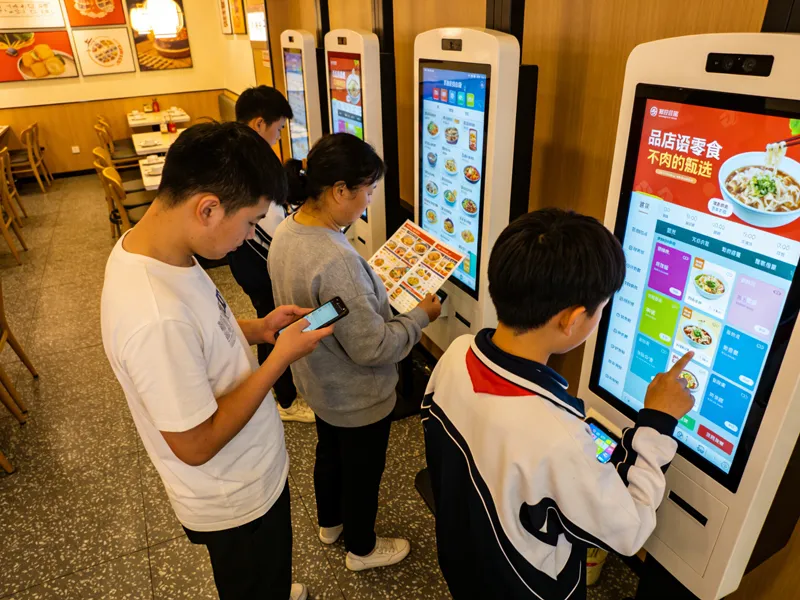
It shifted from simple industrial use to widespread commercial and consumer scenarios. Tymczasem, continuous technical upgrades boost stability, durability and user experience. This article walks through the complete evolution timeline, key technical upgrades, modern improvements and future trends of Touchscreen Technology.
The Early Stage of Touchscreen Technology (Basic Original Design)
The earliest Touchscreen Technology focused on simple signal induction and single-scene use. It laid the foundation for modern interactive systems.
1. Initial pressure-sensing touch design
Early touch screens adopted pure pressure induction structures. They relied on physical pressing to trigger basic signals. These primitive devices only supported single-point operation.
2. Limited application scenarios
At first, this technology only served professional industrial equipment. It lacked smooth display effects and sensitive response. It never appeared in civilian or commercial devices.
3. Obvious technical defects
Early touch screens had low accuracy and slow reaction speed. They easily produced wrong signals under minor vibration or dust interference. Their overall service life remained very short.
The Middle Development Stage of Touchscreen Technology
With industrial progress, Touchscreen Technology achieved critical breakthroughs. It expanded functions and adapted to more scenarios.
1. Emergence of multi-types of induction modes
New induction types emerged in this stage. Rezystancyjny, infrared and acoustic wave touch structures matured gradually. Zatem, different industries could choose matched touch solutions.
2. Improved stability and anti-interference ability
Engineers optimized internal circuit and sensing structures. New devices resisted dust, humidity and minor impact. They supported long-hour continuous operation for commercial scenes.
3. Preliminary civilian and commercial promotion
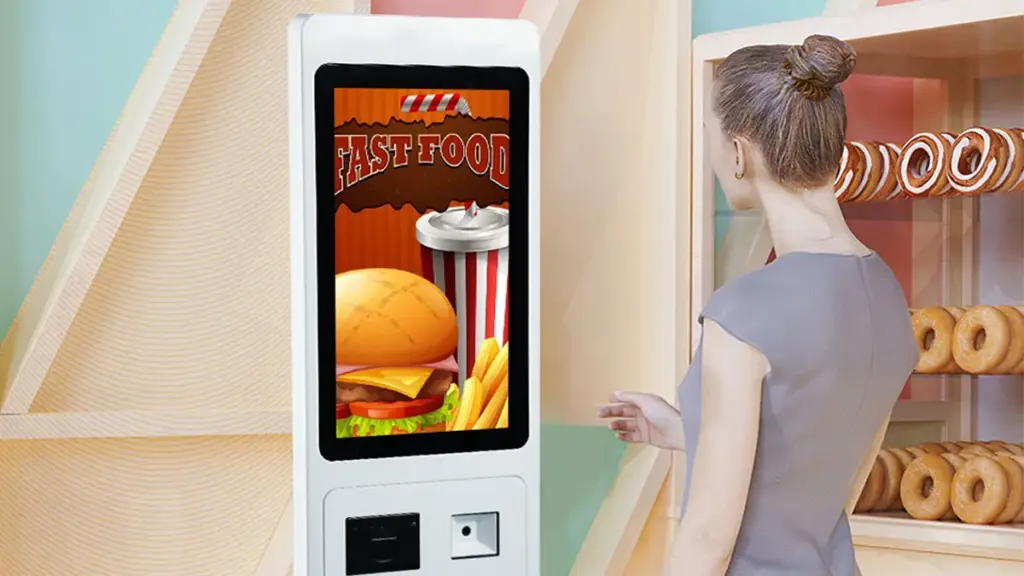
Ponadto, touch screens began to enter public facilities. Self-service inquiry terminals and simple retail devices started to adopt this convenient interactive tech.
Modern Upgrades of Advanced Touchscreen Technology
Current Touchscreen Technology focuses on intelligence, high precision and environmental adaptability. It meets diverse industrial and commercial demands.
1. Popularization of capacitive multi-touch tech
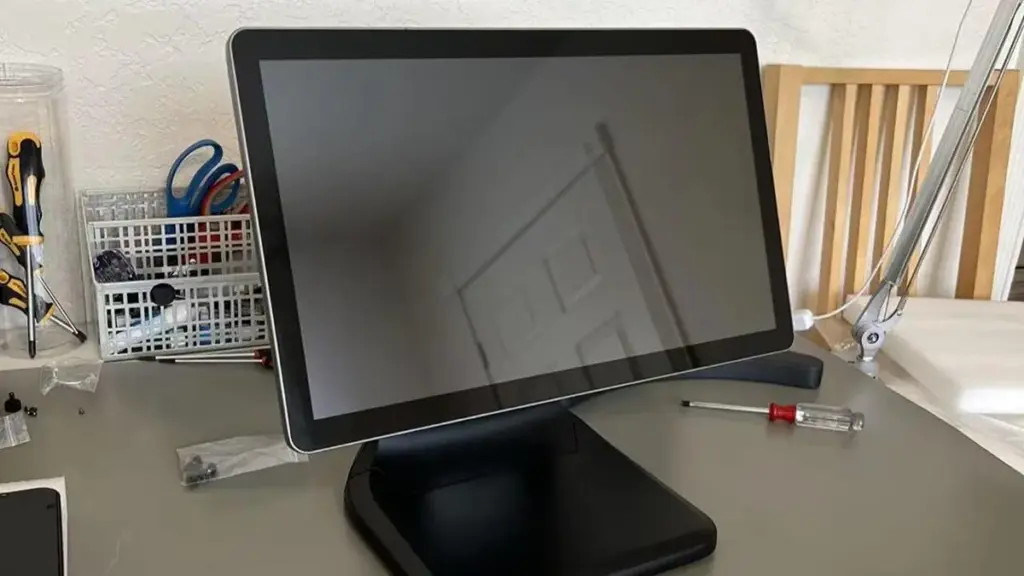
Modern capacitive sensing becomes the mainstream core tech. It supports multi-point gesture control, zooming and sliding. It delivers ultra-smooth operation for daily smart devices.
2. Industrial-grade environmental resistance upgrade
Industrial touchscreen versions gain comprehensive upgrades. They resist high temperature, low temperature, corrosion and strong vibration. They adapt to harsh factory production environments.
3. High definition and humanized optimization
New touch screens pair high-resolution display panels. They add anti-glare, anti-fingerprint and scratch-resistant coatings. They balance visual experience and daily durability perfectly.
4. Intelligent signal recognition algorithm
Updated system algorithms filter invalid touches intelligently. They avoid accidental trigger errors during operation. They greatly improve overall touch accuracy and stability.
Core Driving Factors for Touchscreen Technology Evolution
Multiple factors push continuous iteration and upgrade of Touchscreen Technology year by year.
1. Growing market scenario demands
Industries need faster, more stable and smarter interaction methods. Ordinary old touch structures cannot meet modern production and service standards. So technical upgrades become necessary.
2. Progress of electronic hardware manufacturing
Advanced chip and sensing material manufacturing support tech iteration. New materials create more sensitive, durable and thinner touch screen structures.
3. Higher user experience requirements
Users pursue smoother operation and clearer display effects. They also need devices that adapt to complex environments. These demands guide ongoing technical optimization.
Future Trends of Touchscreen Technology
Touchscreen Technology will keep evolving toward intelligence, customization and high durability.
1. Higher precision and ultra-low latency
Future tech will achieve zero-delay touch response. It supports ultra-precise operation for high-end medical and precision industrial equipment.
2. Stronger customized environmental adaptability
More customized versions will appear for extreme scenarios. Special anti-corrosion, explosion-proof and ultra-temperature resistant touch screens will serve more professional fields.
3. Integration with intelligent smart systems
Touch screens will combine with smart data systems. They realize automatic data analysis, intelligent early warning and unmanned auxiliary control.
FAQs About the Evolution of Touchscreen Technology
Pytanie 1: What is the biggest change in Touchscreen Technology evolution?
A1: It shifts from single pressure sensing to multi-mode intelligent induction. It also expands from single industrial use to full-scene commercial and civilian application.
Pytanie 2: Which stage makes touch screens widely used in daily life?
A2: The modern upgrade stage promotes popularization. Mature capacitive touch tech brings smooth experience for daily smart devices and commercial terminals.
Pytanie 3: Why does old touchscreen technology get eliminated gradually?
A3: Old tech has low accuracy, poor stability and single functions. It fails to fit modern high-frequency and high-precision operation demands.
Pytanie 4: What advantages do modern touchscreen technologies have?
A4: They feature fast response, high accuracy, strong anti-interference ability and long service life. They also support customized adaptation for diverse harsh scenarios.
Pytanie 5: Will touchscreen technology continue to upgrade in the future?
A5: Tak. It will develop toward higher precision, stronger environmental resistance and smarter system integration to fit emerging industrial demands.
Wniosek
To conclude, Touchscreen Technology has gone through three major evolutionary stages: primitive basic design, intermediate technical improvement and modern intelligent upgrade. It evolves from unstable single-function devices to multi-scene, high-stability and user-friendly interactive equipment.
Continuous technical iteration makes touch screens indispensable in industry, commerce and daily life.
If you want to purchase upgraded, high-stability devices equipped with advanced Touchscreen Technology for your business or industrial projects, fill out the form on our official website. Leave your usage scenarios, size requirements and functional needs. Our professional team will provide fully customized and cost-effective touch screen solutions for you.