หน้าจอสัมผัสได้กลายเป็นสื่อโต้ตอบหลักในอุปกรณ์จำนวนนับไม่ถ้วน. คนแตะ, เลื่อนและกดหน้าจอเพื่อส่งคำสั่งซื้อทุกวัน. ยังไงก็ตาม, ผู้ใช้ส่วนใหญ่เชี่ยวชาญเฉพาะการดำเนินการขั้นพื้นฐานเท่านั้น แทนที่จะเป็นกฎการทำงานภายใน.

รูปแบบหน้าจอสัมผัสที่แตกต่างกันใช้กลไกการเหนี่ยวนำที่เป็นเอกลักษณ์. การออกแบบแต่ละชิ้นเหมาะกับสภาพแวดล้อมการทำงานและพฤติกรรมการทำงานที่เฉพาะเจาะจง. การรู้หลักการทำงานของมันช่วยให้คุณเลือกรุ่นที่เหมาะสมและยืดอายุการใช้งานได้อย่างมีประสิทธิภาพ. บทความนี้จะอธิบายตรรกะในการดำเนินงาน, การจำแนกประเภทยอดนิยม, ลักษณะประสิทธิภาพและเคล็ดลับการใช้ชีวิตประจำวันอย่างชัดเจน.
ตรรกะการทำงานพื้นฐานของหน้าจอสัมผัส
การดำเนินการสัมผัสที่สมบูรณ์ทุกครั้งจะเป็นไปตามสี่ขั้นตอนที่มั่นคงเพื่อสิ้นสุดการโต้ตอบระหว่างมนุษย์กับอุปกรณ์.
1. การสัมผัสทางกายภาพจะกระตุ้นการตอบสนองของการตรวจจับ
เมื่อนิ้วหรือเครื่องมือ สัมผัสแผง พื้นผิว, สถานะทางกายภาพในท้องถิ่นเปลี่ยนแปลงทันที. การเปลี่ยนแปลงดังกล่าวจะสร้างสัญญาณพื้นฐานที่ทำเครื่องหมายตำแหน่งการสัมผัสที่ถูกต้องบนหน้าจอ.
2. เซ็นเซอร์ภายในจับสัญญาณแบบเรียลไทม์
หน่วยการตรวจจับในตัวตรวจจับการเปลี่ยนแปลงเล็กๆ น้อยๆ ได้ทันที. โดยจะตัดสินจุดสัมผัสที่แน่นอนและบันทึกความแข็งแกร่งในการปฏิบัติงานภายในเวลาอันสั้นเป็นพิเศษ.
3. การส่งสัญญาณและการตัดสินใจข้อมูล
ต่อไป, รวบรวมการถ่ายโอนข้อมูลไปยังแผงควบคุมหลัก. ระบบวิเคราะห์ข้อมูลที่ได้รับและยืนยันคำสั่งที่ผู้ใช้ตั้งใจไว้อย่างถูกต้อง.
4. การดำเนินการตามหน้าที่และการตอบรับด้วยภาพ
ในที่สุด, อุปกรณ์จะดำเนินการที่เกี่ยวข้อง. หน้าจอจะแสดงเนื้อหาที่อัปเดตเพื่อแจ้งให้ผู้ใช้ทราบว่าการดำเนินการทั้งหมดมีผลสำเร็จ.
หน้าจอสัมผัสสี่ประเภทที่ใช้กันอย่างแพร่หลาย & คุณสมบัติการทำงาน
วิธีการเหนี่ยวนำที่แตกต่างกันสร้างหมวดหมู่หน้าจอสัมผัสหลักสี่ประเภทสำหรับความต้องการใช้งานที่หลากหลาย.
1. หน้าจอสัมผัสแบบคาปาซิทีฟ
มันตรวจจับกระแสไฟฟ้าอ่อนๆ ที่ผลิตโดยร่างกายมนุษย์. มันให้การตอบสนองที่รวดเร็วและเอฟเฟกต์การแสดงผลที่ละเอียดอ่อน. เหมาะกับอุปกรณ์พกพา, อาคารสำนักงานและอุปกรณ์ผู้บริโภครายวันอย่างมาก.
2. หน้าจอสัมผัสแบบต้านทาน
มันอาศัยแรงกดดันในการเชื่อมต่อชั้นสื่อกระแสไฟฟ้าสองชั้นภายใน. รองรับการสัมผัสถุงมือและสไตลัสอย่างอิสระ. มันคงความเสถียรในโรงปฏิบัติงานที่เต็มไปด้วยฝุ่นและอุปกรณ์ควบคุมที่เรียบง่าย.
3. หน้าจอสัมผัสอินฟราเรด
ลำแสงอินฟราเรดล้อมรอบกรอบหน้าจอทั้งหมด. การกระทำแบบสัมผัสจะบล็อกเส้นทางแสงเพื่อล็อคพิกัด. มีความสามารถในการป้องกันความเสียหายที่แข็งแกร่งและเข้ากันกับแผงจอแสดงผลขนาดใหญ่.
4. หน้าจอสัมผัสแบบคลื่นเสียง
คลื่นเสียงพื้นผิวกระจายทั่วแผงอย่างสม่ำเสมอ. การเคลื่อนไหวของระบบสัมผัสจะดูดซับคลื่นบางส่วนเพื่อให้การวางตำแหน่งสมบูรณ์. ได้รับการซึมผ่านของแสงสูงสำหรับอุปกรณ์ควบคุมที่แม่นยำ.
องค์ประกอบภายนอกที่ส่งผลต่อประสิทธิภาพของหน้าจอสัมผัส
ปัจจัยแวดล้อมหลายประการอาจส่งผลต่อความไวในการเหนี่ยวนำและความเสถียรในการวิ่งในแต่ละวัน.
1. สภาพแวดล้อมภายในสถานที่
ฝุ่นหนัก, การกระเด็นของของเหลวและก๊าซที่มีฤทธิ์กัดกร่อนจะทำให้การเหนี่ยวนำสัญญาณปกติอ่อนลง. ผู้ใช้จำเป็นต้องมีหน้าจอสัมผัสแบบปิดผนึกและป้องกันสำหรับการประชุมเชิงปฏิบัติการทางอุตสาหกรรมที่รุนแรง.
2. มารยาทในการทำงานในแต่ละวัน
การสัมผัสด้วยนิ้วเปล่าให้ผลลัพธ์การเหนี่ยวนำที่เสถียรที่สุด. ถุงมือหนาและเครื่องมือแข็งจะพอดีกับหน้าจอสัมผัสประเภทที่กำหนดเท่านั้น.
3. การสึกหรอและการเสื่อมสภาพในระยะยาว
การแตะบ่อยๆ อย่างต่อเนื่องจะค่อยๆ สิ้นเปลืองวัสดุตรวจจับภายใน. การทำความสะอาดอย่างอ่อนโยนเป็นประจำจะช่วยชะลอความชราได้อย่างมีประสิทธิภาพ.
4. การจับคู่วงจรและแหล่งจ่ายไฟ
กำลังไฟฟ้าที่เสถียรรับประกันการส่งสัญญาณที่ราบรื่น. วงจรที่ไม่ตรงกันทำให้เกิดการตอบสนองล่าช้าและการสัมผัสขัดข้องเป็นระยะๆ ได้ง่าย.
สถานการณ์การใช้งานทั่วไปตามกลไกการทำงาน
ผู้ผลิตจัดสรรหน้าจอสัมผัสที่แตกต่างกันให้กับฟิลด์ที่ตรงกันตามลักษณะโดยธรรมชาติ.
1. การควบคุมอัตโนมัติทางอุตสาหกรรม
เครื่องจักรในโรงงานส่วนใหญ่เลือกหน้าจอสัมผัสแบบต้านทานและแบบอินฟราเรด. รับมือกับแรงสั่นสะเทือนได้ดี, ข้อกำหนดการปฏิบัติงานด้านฝุ่นและถุงมือ.
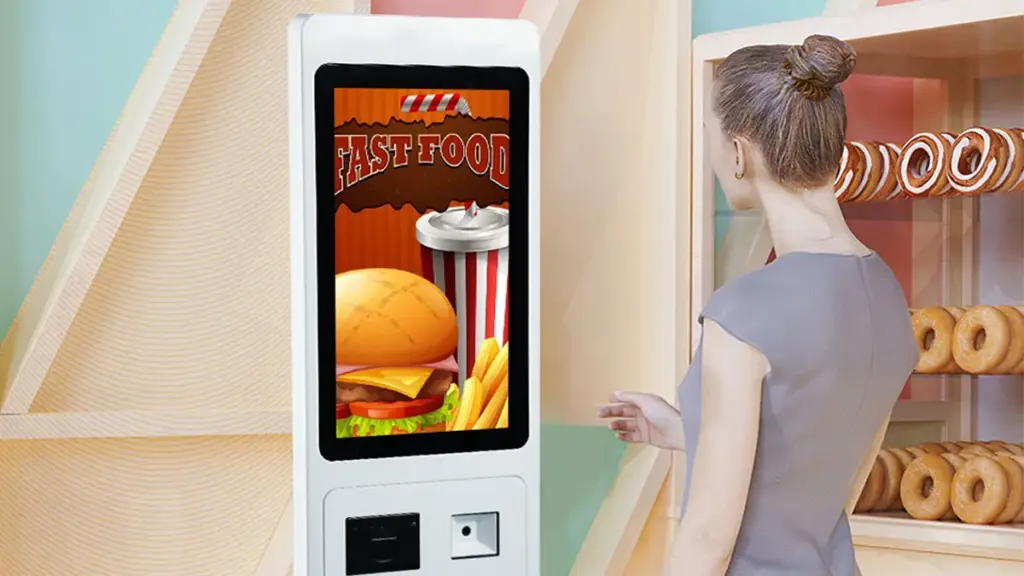
2. อาคารค้าปลีกและบริการตนเอง
อุปกรณ์ชำระเงินและสั่งซื้อการช็อปปิ้งชอบหน้าจอสัมผัสแบบคาปาซิทีฟ. การตอบสนองที่รวดเร็วช่วยเพิ่มความเร็วของการบริการและระดับประสบการณ์ของลูกค้า.
3. อุปกรณ์แสดงสาธารณะขนาดใหญ่
หน้าจอนิทรรศการและเครื่องสอบถามห้องโถงใช้หน้าจอสัมผัสอินฟราเรด. โครงสร้างที่มั่นคงช่วยลดความถี่ในการบำรุงรักษาในพื้นที่สาธารณะ.
4. การทดสอบความแม่นยำและอุปกรณ์ทางการแพทย์
คลื่นเสียง หน้าจอสัมผัส รับผิดชอบงานควบคุมที่มีความแม่นยำสูง. รักษาการเหนี่ยวนำให้คงที่ภายใต้มาตรฐานการใช้งานที่เข้มงวด.
คำถามที่พบบ่อยเกี่ยวกับหลักการทำงานของหน้าจอสัมผัส
ไตรมาสที่ 1: เหตุใดหน้าจอสัมผัสจึงสูญเสียความไวหลังจากใช้งานเป็นเวลานาน?
A1: การสะสมสิ่งสกปรกบนพื้นผิวหรือการเสื่อมสภาพของวัสดุภายในทำให้เกิดปฏิกิริยาช้า. การทำความสะอาดอย่างทันท่วงทีสามารถคืนประสิทธิภาพการสัมผัสตามปกติได้.
ไตรมาสที่ 2: หน้าจอสัมผัสประเภทใดทำงานได้ดีที่สุดด้วยมือที่สวมถุงมือ?
A2: หน้าจอสัมผัสแบบต้านทานและอินฟราเรดรองรับการกรีดถุงมือได้อย่างสมบูรณ์แบบ. รุ่นคาปาซิทีฟไม่สามารถสัมผัสถึงถุงมือป้องกันที่หนาได้.
ไตรมาสที่ 3: อุณหภูมิที่สูงเกินไปอาจส่งผลต่อการทำงานปกติของหน้าจอสัมผัสได้?
A3: ความเย็นจัดหรือความร้อนจัดจะทำให้ความเร็วเหนี่ยวนำช้าลง. รุ่นทนอุณหภูมิกว้างปรับให้เข้ากับสภาพแวดล้อมการทำงานพิเศษดังกล่าว.
ไตรมาสที่ 4: หน้าจอสัมผัสประเภทใดมีอายุการใช้งานยาวนานที่สุด?
A4: หน้าจอสัมผัสอินฟราเรดมีเวลาให้บริการนานขึ้นด้วยการออกแบบการเหนี่ยวนำแบบไม่สัมผัสและโครงสร้างภายนอกที่ทนทาน.
คำถามที่ 5: หน้าจอสัมผัสประเภทต่างๆ สามารถทดแทนกันโดยตรงได้หรือไม่?
A5: เลขที่. พวกเขามีโครงสร้างภายในและโหมดสัญญาณที่แตกต่างกัน. การเปลี่ยนโดยตรงจะทำให้การแสดงผลและการสัมผัสผิดปกติ.
บทสรุป
โดยรวม, หน้าจอสัมผัสรับรู้ถึงการโต้ตอบผ่านการกระตุ้นสัญญาณ, การจับกุม, การวิเคราะห์และการดำเนินการ. ประเภททั่วไปสี่ประเภทมีโหมดการทำงานที่แตกต่างกันและขอบเขตที่เกี่ยวข้อง. สิ่งแวดล้อม, วิธีการใช้งานและสภาพพลังงานล้วนส่งผลต่อการใช้งานรายวัน.
การทำความเข้าใจความรู้พื้นฐานในการทำงานช่วยให้ผู้ใช้เลือกรุ่นหน้าจอสัมผัสที่เหมาะสม และหลีกเลี่ยงข้อผิดพลาดของอุปกรณ์ที่ไม่จำเป็น. อีกทั้งยังช่วยเพิ่มประสิทธิภาพการทำงานในการผลิตให้สูงสุดอีกด้วย, โอกาสการบริการและสำนักงาน.
หากคุณวางแผนที่จะซื้อผลิตภัณฑ์หน้าจอสัมผัสที่เหมาะสมสำหรับการประกอบอุปกรณ์หรือการอัพเกรดอุปกรณ์, กรุณากรอกแบบฟอร์มคำปรึกษาบนเว็บไซต์อย่างเป็นทางการของเรา. ออกจากสภาพแวดล้อมการใช้งานของคุณ, ขนาดแผงและความต้องการใช้งาน, และทีมงานของเราจะเสนอคำแนะนำการจับคู่ที่ตรงเป้าหมายและพารามิเตอร์ผลิตภัณฑ์โดยละเอียดเร็วๆ นี้.