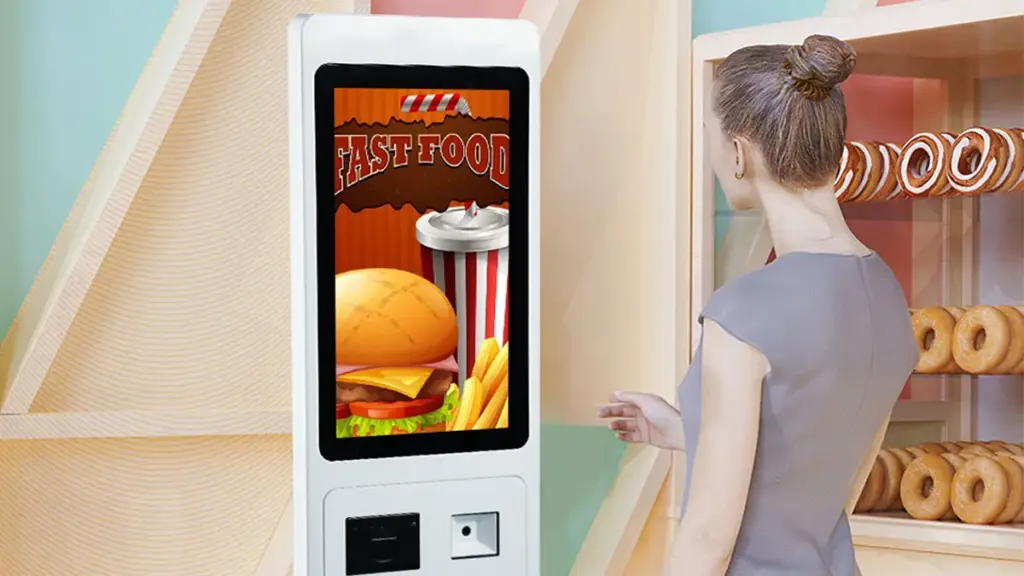
Tương tác cảm ứng đã trở thành phương pháp điều khiển người-máy trực quan nhất hiện nay. Bạn tìm thấy màn hình cảm ứng trên các ki-ốt bán lẻ, máy móc công nghiệp, màn hình văn phòng và thiết bị thông minh ở khắp mọi nơi. Hầu hết người dùng dựa vào các màn hình này hàng ngày nhưng thiếu kiến thức kỹ thuật rõ ràng.Màn hình cảm ứng Công nghệ đề cập đến công nghệ cảm biến tiên tiến có khả năng ghi lại hoạt động chạm của con người và chuyển đổi cử chỉ thành lệnh của thiết bị.
Nó loại bỏ các công cụ điều khiển truyền thống như chuột và bàn phím. Trong khi đó, nó tăng tốc độ hoạt động và trí thông minh của thiết bị cho tất cả các thiết bị tương tác. Bài viết này chia nhỏ các định nghĩa cốt lõi, cơ chế làm việc, các danh mục chính và lợi ích thiết thực để giúp bạn hiểu rõ về công nghệ được sử dụng rộng rãi này.
Định nghĩa cơ bản về công nghệ màn hình cảm ứng
Công nghệ màn hình cảm ứng là một tập hợp các thuật toán kỹ thuật và phần cứng tương tác chuyên dụng. Nó tích hợp các mô-đun cảm biến và hệ thống hiển thị thành một khối thống nhất.
1. Chức năng tương tác cốt lõi
Công nghệ này tập trung vào việc thu tín hiệu cảm ứng theo thời gian thực. Nó xác định việc khai thác, thao tác trượt và nhấn từ người dùng. Nó cung cấp hướng dẫn chính xác cho hệ thống điều khiển thiết bị ngay lập tức.
2. Khung cảm biến độc lập
Nó sử dụng các cấu trúc cảm biến độc quyền khác với màn hình thông thường. Mỗi màn hình cảm ứng nhúng các lớp cảm ứng và chip tín hiệu chuyên dụng. Những bộ phận cốt lõi này quyết định độ chính xác của cảm ứng và tốc độ phản hồi.
3. Thiết kế kỹ thuật dựa trên kịch bản
Hơn nữa, công nghệ này có hai hướng chủ đạo. Thiết kế cấp độ người tiêu dùng ưu tiên sử dụng trơn tru. Thiết kế cấp công nghiệp tập trung vào sự ổn định và khả năng chống chịu môi trường cho những nơi làm việc khắc nghiệt.
Công nghệ màn hình cảm ứng hiện đại hoạt động như thế nào
Tất cả các hệ thống màn hình cảm ứng tiêu chuẩn đều tuân theo một quy trình đơn giản, quy trình làm việc bốn bước hiệu quả.
1. Kích hoạt tín hiệu cảm ứng hiệu quả
Đầu tiên, sự tiếp xúc vật lý của người dùng sẽ thay đổi trạng thái bề mặt của màn hình. Công nghệ khác nhau tạo ra sự thay đổi điện dung, tiếp xúc áp suất hoặc tắc nghẽn hồng ngoại. Những thay đổi này tạo thành tín hiệu đầu vào hợp lệ.
2. Ghi lại dữ liệu tọa độ chính xác
Kế tiếp, cảm biến tích hợp phát hiện các biến thể tín hiệu nhỏ ngay lập tức. Họ tính toán chính xác vị trí chạm và dấu vết chuyển động trong vòng micro giây. Quá trình này đảm bảo phản ứng cực nhanh.
3. Lọc và xử lý tín hiệu không hợp lệ
Sau đó, chip bên trong lọc các cú chạm vô tình và nhiễu môi trường. Nó chỉ giữ lại các lệnh hoạt động hiệu quả. Bước này giúp tránh các hành động sai của thiết bị một cách hiệu quả.
4. Thực hiện các lệnh và phản hồi trực quan
Cuối cùng, hệ thống chính chạy chức năng phù hợp. Màn hình cập nhật nội dung xác nhận thao tác thành công. Vòng lặp hoàn chỉnh này hỗ trợ sử dụng lặp lại ổn định lâu dài.
Bốn loại công nghệ màn hình cảm ứng chính
Các biến thể Công nghệ màn hình cảm ứng khác nhau phục vụ các tình huống độc đáo với những đặc điểm riêng biệt.
1. Công nghệ điện dung dự kiến
Công nghệ điện dung cảm nhận tín hiệu dòng điện vi mô của cơ thể con người. Nó hỗ trợ cử chỉ cảm ứng đa điểm và điều khiển cực kỳ mượt mà. Vì lý do này, nó thống trị ngành điện tử tiêu dùng, thiết bị đầu cuối bán lẻ và thiết bị văn phòng hàng ngày. Nó mang lại độ phân giải cao và phản hồi nhạy cảm.
2. Công nghệ cảm ứng điện trở
Công nghệ điện trở dựa vào áp suất vật lý để kết nối các màng dẫn điện bên trong. Nó phản ứng với bất kỳ công cụ nhấn nào bao gồm găng tay và bút stylus. Như vậy, nó phù hợp với bụi bặm, nhà xưởng công nghiệp ẩm ướt và dễ bị rung một cách hoàn hảo.
3. Công nghệ cảm ứng hồng ngoại
Công nghệ hồng ngoại xây dựng một lưới ánh sáng đầy đủ xung quanh viền màn hình. Thao tác chạm chặn tia hồng ngoại để xác định tọa độ. Nó có tính năng chống va đập mạnh mẽ. Ngoài ra, nó phù hợp với thiết bị điều tra và trưng bày công cộng cỡ lớn.
4. Công nghệ sóng âm bề mặt
Công nghệ này sử dụng truyền sóng siêu âm để cảm ứng. Nó cung cấp độ truyền ánh sáng cao nhất và chất lượng hiển thị rõ ràng. Nó chủ yếu áp dụng cho các thiết bị xét nghiệm và y tế có độ chính xác cao.
Lợi ích nổi bật của công nghệ màn hình cảm ứng
Công nghệ màn hình cảm ứng hiện đại mang lại những nâng cấp lớn cho hoạt động thương mại và công nghiệp.
1. Đơn giản hóa quy trình hoạt động hàng ngày
Người dùng hoàn thành tất cả các bước điều khiển thông qua thao tác chạm trực tiếp vào màn hình. Họ bỏ qua các thao tác chuột và bàn phím phức tạp. Sự thay đổi này làm giảm đáng kể thời gian hoạt động.
2. Cải thiện độ chính xác làm việc tổng thể
Lọc tín hiệu thông minh giảm thiểu lỗi vận hành thủ công. Cảm ứng chính xác đảm bảo điều chỉnh thông số nhất quán. Ổn định chất lượng sản xuất và dịch vụ theo từng đợt.
3. Chi phí bảo trì thiết bị thấp hơn
Công nghệ cảm ứng cấp công nghiệp chống bụi, nước và vết trầy xước. Nó chịu đựng tần số cao hàng ngày mà không làm giảm hiệu suất. Nó kéo dài tuổi thọ thiết bị một cách đáng kể.
4. Tiết kiệm không gian và tối ưu hóa bố cục
Thiết kế cảm ứng và hiển thị tích hợp loại bỏ các phụ kiện điều khiển bổ sung. Nó dọn dẹp hệ thống dây điện lộn xộn và không gian máy tính để bàn. Nó tạo ra môi trường làm việc gọn gàng và chuẩn hóa.
Các ứng dụng phổ biến trong thế giới thực cho công nghệ màn hình cảm ứng
Công nghệ màn hình cảm ứng bao phủ gần như tất cả các lĩnh vực thiết bị tương tác thông minh.
1. Điều khiển tự động hóa công nghiệp
Máy sản xuất tại nhà máy áp dụng công nghệ cảm ứng điện trở và hồng ngoại. Chúng thích ứng với hoạt động của găng tay và điều kiện xưởng khắc nghiệt. Họ hỗ trợ giám sát sản xuất ổn định 24 giờ.
2. Các ngành thương mại tự phục vụ
Thiết bị đầu cuối đặt hàng dịch vụ ăn uống và thanh toán bán lẻ sử dụng công nghệ điện dung. Nó mang lại sự tương tác nhanh chóng để rút ngắn thời gian xếp hàng của khách hàng. Nó cải thiện hiệu quả dịch vụ cửa hàng rất nhiều.
3. Thiết bị văn phòng và giáo dục thông minh
Màn hình văn phòng và màn hình giảng dạy áp dụng các giải pháp điện dung hoàn thiện. Chúng hỗ trợ thao tác cảm ứng đa điểm linh hoạt cho các tình huống giảng dạy và làm việc hàng ngày.
4. Cơ sở tương tác công cộng
Bảo tàng trưng bày và máy điều tra cộng đồng sử dụng công nghệ cảm ứng hồng ngoại. Họ chống lại sự va chạm công khai và lạm dụng thường xuyên. Chúng làm giảm áp lực bảo trì dài hạn.
Câu hỏi thường gặp về công nghệ màn hình cảm ứng
Q1: Điều gì làm cho Công nghệ màn hình cảm ứng khác với màn hình thông thường?
A1: Màn hình thông thường chỉ hiển thị hình ảnh. Công nghệ màn hình cảm ứng bổ sung các hệ thống cảm biến chuyên nghiệp để thực hiện điều khiển tương tác trực tiếp giữa người và máy tính.
Q2: Công nghệ màn hình cảm ứng nào hoạt động tốt nhất cho sử dụng công nghiệp?
A2: Công nghệ cảm ứng điện trở và hồng ngoại hoạt động tốt nhất. Chúng chịu được bụi, độ ẩm, rung động và hoạt động đeo găng trong môi trường công nghiệp.
Q3: Tại sao màn hình cảm ứng mất độ nhạy theo thời gian?
A3: Sự tích tụ bụi bẩn trên bề mặt, hao mòn lâu dài hoặc nhiễu tín hiệu gây ra phản hồi chậm. Vệ sinh và bảo trì định kỳ thường xuyên khắc phục hầu hết các vấn đề nhỏ.
Q4: Công nghệ màn hình cảm ứng có thể hoạt động dưới nhiệt độ khắc nghiệt?
A4: Công nghệ tiêu chuẩn thất bại trong môi trường khắc nghiệt. Công nghệ màn hình cảm ứng công nghiệp tùy chỉnh thích ứng với điều kiện làm việc ở nhiệt độ cao và thấp.
Q5: Công nghệ cảm ứng điện dung có phù hợp để sử dụng trong nhà xưởng không?
A5: KHÔNG. Màn hình điện dung tiêu chuẩn không thể cảm nhận được những cú chạm bằng găng tay. Chúng chỉ phù hợp với các kịch bản văn phòng và thương mại trong nhà sạch sẽ.
Phần kết luận
Tóm lại, Công nghệ màn hình cảm ứng là công nghệ tương tác cốt lõi hỗ trợ các thiết bị thông minh hiện đại. Nó bao gồm bốn loại chính với nguyên tắc làm việc độc đáo và lợi thế kịch bản. Nó đơn giản hóa các bước hoạt động, tăng độ chính xác làm việc và cắt giảm chi phí bảo trì thiết bị dài hạn. Việc chọn công nghệ màn hình cảm ứng phù hợp sẽ trực tiếp cải thiện độ ổn định của thiết bị và trải nghiệm người dùng cho doanh nghiệp của bạn.
Nếu bạn có kế hoạch trang bị cho thiết bị của mình những tính năng đáng tin cậy, giải pháp Công nghệ màn hình cảm ứng phù hợp với tình huống, đừng ngần ngại tiếp cận. Vui lòng điền vào biểu mẫu trên trang web chính thức của chúng tôi và cho chúng tôi biết môi trường sử dụng của bạn, loại thiết bị và yêu cầu chức năng. Đội ngũ chuyên nghiệp của chúng tôi sẽ tùy chỉnh các sản phẩm màn hình cảm ứng và giải pháp kỹ thuật phù hợp nhất cho dự án của bạn.