Many new project buyers confuse traditional displays and interactive display devices. Ordinary desktop monitors only output visual content and accept no manual touch commands. For this reason, many people wonder whether a professional interactive display solution truly exists for business scenarios.

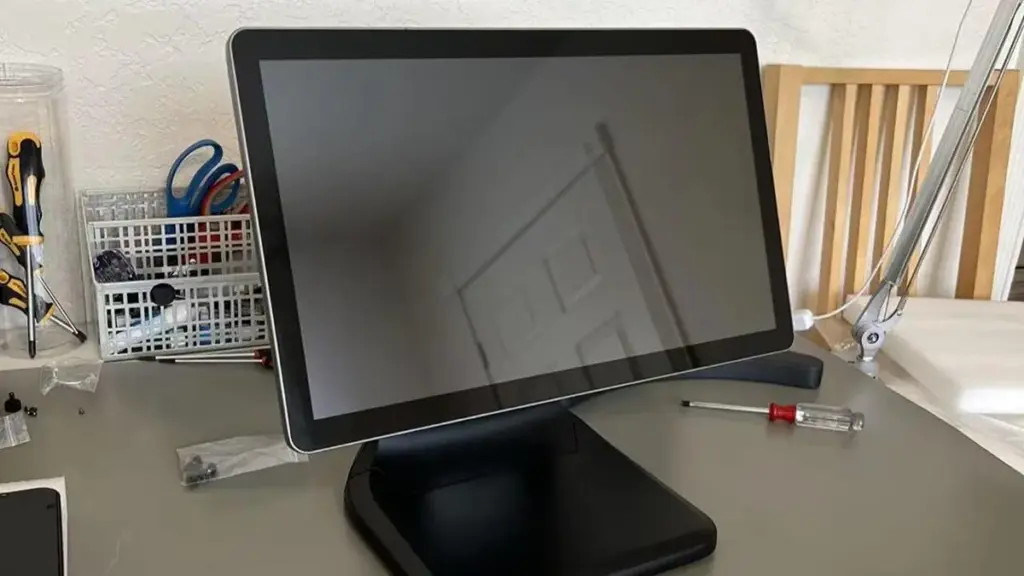
In fact, a touch screen monitor is a mature and mainstream hardware product. It differs completely from non-interactive ordinary monitors. It combines display functions and touch sensing performance in one standalone device. Furthermore, it supports plug-and-play use for diverse terminals. This article clearly answers whether a touch screen monitor exists, while introducing its core traits, common types and applicable scenarios.
Does a Touch Screen Monitor Truly Exist?
A touch screen monitor definitely exists in the current commercial and industrial hardware market. It is a standardized, mass-produced interactive display device.
Unlike basic monitors that only show images, this equipment integrates built-in touch sensing layers. It receives tapping, sliding and gesture commands from users directly. It needs no extra touch panels or auxiliary accessories. It serves as an independent interactive solution for smart devices and self-service terminals. It has become a common hardware choice for modern intelligent renovation projects.
Core Features That Define a Qualified Touch Screen Monitor
Genuine touch screen monitor products have fixed professional characteristics. These features distinguish them from modified ordinary monitors.
1. Integrated all-in-one structure
A standard touch screen monitor unites display module and touch sensor in one frame. The whole structure stays stable and compact. It avoids loose assembly gaps that appear in post-modified screens.
2. Independent plug-and-play compatibility
This monitor supports universal data and power interfaces. It connects smoothly with panel PCs, industrial hosts and commercial systems. Users finish installation and debugging in simple steps.
3. Stable long-term interactive performance
Certified touch screen monitors adopt industrial or commercial grade materials. They maintain accurate touch recognition during high-frequency daily use. They rarely produce touch offset or failure issues.
4. Standard anti-interference ability
Official touch screen monitor products resist minor dust, light glare and ambient temperature changes. They keep steady working status in regular indoor commercial environments.
Main Types of Existing Touch Screen Monitor Products
Multiple formal touch screen monitor types exist to match different scenario demands. Each type has independent technical advantages.
1. Resistive touch screen monitor
This mainstream existing model relies on pressure induction. It supports gloved operation and tool tapping. It adapts well to industrial workshops and dusty working environments. It features stable and simple working logic.
2. Capacitive touch screen monitor
This popular commercial model supports multi-touch gestures. It delivers sensitive response and smooth operation experience. It suits retail kiosks, office terminals and public service equipment.
3. Infrared touch screen monitor
This existing type adopts border infrared induction. It has high light transmittance and strong durability. It fits large-size display equipment and long-term public scene deployment.
Common Application Scenarios for Touch Screen Monitors
Existing touch screen monitor products cover a wide range of industries. They solve interactive demands for multiple smart projects.
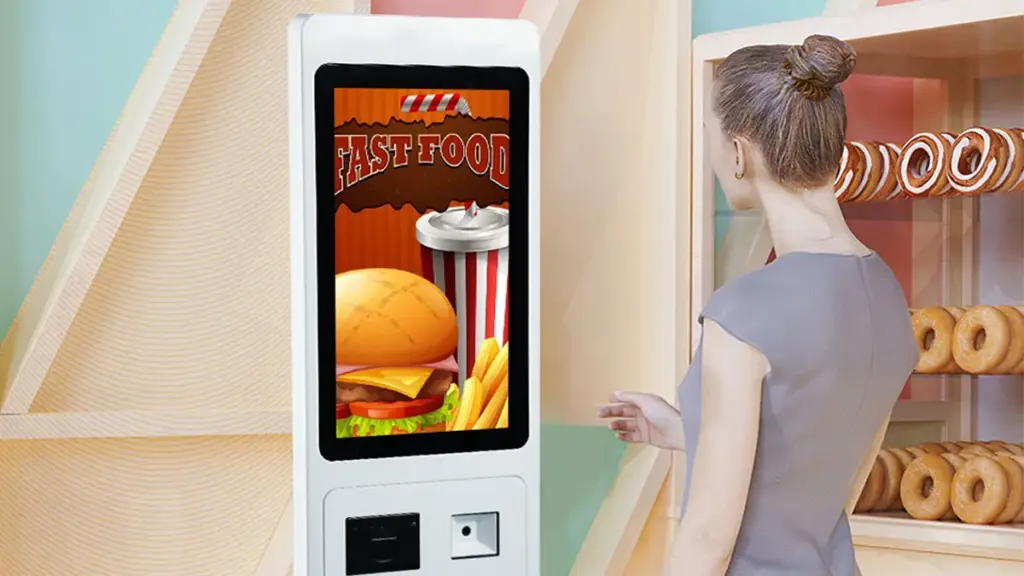
1. Commercial self-service terminals
Stores, malls and catering venues deploy these monitors for self-order and self-check services. They improve service efficiency and reduce manual workload.
2. Industrial control workstations
Factory workshops use professional touch screen monitors for equipment monitoring. Operators adjust parameters and check production data on site conveniently.
3. Public inquiry and display devices
Hospitals, stations and exhibition halls install these monitors for information query. They provide intuitive and convenient self-service experience for visitors.
4. Smart office equipment
Modern intelligent offices adopt touch screen monitors for meeting and control systems. They simplify daily office operation processes greatly.
FAQs About Touch Screen Monitors
Q1: Does a genuine touch screen monitor exist on the market?
A1: Yes. Standard touch screen monitors are mature industrial and commercial hardware. They have complete specifications and stable mass production supply.
Q2: What is the difference between a touch screen monitor and an ordinary monitor?
A2: A touch screen monitor has built-in sensing layers for interactive control. An ordinary monitor only displays images and cannot receive user touch commands.
Q3: Are touch screen monitors plug-and-play devices?
A3: Most standard touch screen monitors support plug-and-play connection. They match mainstream systems and need no complex program modification.
Q4: Can touch screen monitors work in industrial environments?
A4: Yes. Industrial-grade touch screen monitors resist dust, humidity and frequent operation. They maintain stable performance for long-term workshop use.
Q5: What scenarios need a touch screen monitor the most?
A5: Self-service equipment, on-site control stations and public interactive terminals need touch screen monitors to realize unmanned and intelligent operation.
Conclusion
To sum up, a touch screen monitor does exist as a mature, standardized and widely used hardware product. It owns integrated display and interactive functions that ordinary monitors cannot provide. Resistive, capacitive and infrared types form the mainstream product system. These professional monitors adapt to commercial, industrial and public service scenarios with stable and reliable performance. Choosing genuine standard touch screen monitors ensures smooth operation of your intelligent equipment.
If you need stable, scenario-matched touch screen monitor products for your commercial or industrial projects, please fill out the inquiry form on our official website. Share your usage environment and functional demands, and our team will provide professional customized solutions for you.